










Opinion
AI doesn’t need to hack into a hospital to access your medical records
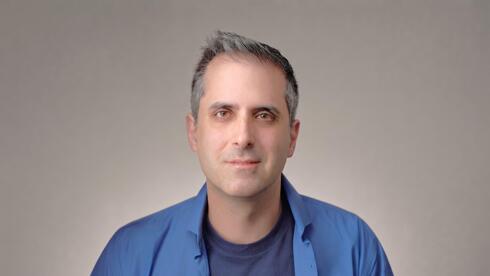
“Ultimately, the measure of AI’s success in healthcare will not simply be how much work it can take on,” writes Itai Schwartz, CTO and co-founder of MIND Security, "but how effectively healthcare organizations can harness its capabilities while maintaining control over their patients’ most sensitive information."
One of the biggest concerns about introducing artificial intelligence into healthcare is that it might make mistakes. It could miss a diagnosis, generate inaccurate information, or recommend the wrong treatment. While healthcare organizations invest in testing the reliability of AI outputs, another significant risk is emerging: AI can retrieve sensitive medical information at a speed and scale that were previously impossible, without breaching a system or bypassing a single security control.
At one U.S. healthcare organization we work with, we discovered that Microsoft Copilot had accessed a file containing more than 100 pieces of personal information on behalf of an employee. Copilot was operating within the employee’s existing permissions, which allowed access to more information than the employee actually needed. At another healthcare organization, we identified documents containing medical record numbers that could be accessed through publicly shared links.

Overly broad permissions and uncontrolled document sharing have been challenges for years. AI makes their consequences far more significant. Information that once required considerable time and effort to locate across hundreds of files can now be retrieved with a simple query. A user’s permission to access information tells us little about whether a particular use of that information is safe. Healthcare organizations must examine not only who can access sensitive information, but also what they can do with it once access is granted.
Many organizations distinguish between approved AI tools and publicly available alternatives, assuming that the greatest risks exist outside their corporate environments. However, at another healthcare organization we work with, 94 of the 104 instances we reviewed in which sensitive information was transferred to an AI tool involved the organization’s own approved tool.
These figures reflect transfers of sensitive information, but determining whether a particular transfer actually exposed that information requires additional context. Security teams need visibility into what information is being transferred, who is sending it, where it is going, and why. With this visibility, they can distinguish legitimate business activities from actions that put patient data at risk, in real time. A blanket ban on AI tools could disrupt clinical workflows and drive employees toward personal tools that their organizations cannot monitor. The challenge is to enable staff to use AI while enforcing security controls that account for data sensitivity and the context of each action.
AI agents raise the stakes even further. They can perform tasks autonomously, from gathering test results and reviewing medical records to preparing summaries and transferring information between systems.
Healthcare organizations must monitor the actions AI agents perform on behalf of users just as closely as they monitor access to sensitive data. Permission to view a document should grant only that permission. Extracting its contents, copying information, or sharing it with others are separate actions that require their own controls. As AI agents become increasingly autonomous, the gap between predefined access permissions and the actions agents can perform in practice continues to widen.
Healthcare organizations can continue adopting AI by modernizing how they protect patient data. Access permissions and approved tools are important starting points, but they are no longer sufficient. Protection must follow sensitive data wherever it is accessed, used, or shared, with controls that reflect both the information's sensitivity and the purpose of each action.
Ultimately, the measure of AI’s success in healthcare will not simply be how much work it can take on, but how effectively healthcare organizations can harness its capabilities while maintaining control over their patients’ most sensitive information.
Itai Schwartz is the Co-Founder and CTO of MIND Security.