








Google gives Clalit $2 million to develop AI healthcare assistant for underserved patients
The two-year grant will fund a conversational system designed to help patients overcome language barriers, limited digital literacy and a lack of internet access. Clalit says it will use its existing infrastructure and keep medical records within its protected network.
Clalit Health Services will receive a $2 million grant from Google.org, Google's philanthropic arm, to develop an AI-powered conversational assistant designed to support patients throughout their healthcare journey, from preparing for a medical appointment to receiving follow-up care.
The two-year grant was announced on Sunday in a joint statement by the organizations. Clalit emphasized to Calcalist that the arrangement is a donation, not a commercial transaction or joint venture, and that the health fund will not be required to contribute its own funds toward the development of the system.
Rather than building the underlying infrastructure from scratch, Clalit plans to use its existing electronic medical record (EMR) systems and cloud infrastructure. The grant will be directed toward developing the AI layer, including recruiting engineering talent, adapting the technology to different languages and dialects, and creating an intelligent interactive voice response (IVR) system compatible with so-called kosher phones, restricted-use mobile devices that typically do not support conventional apps.
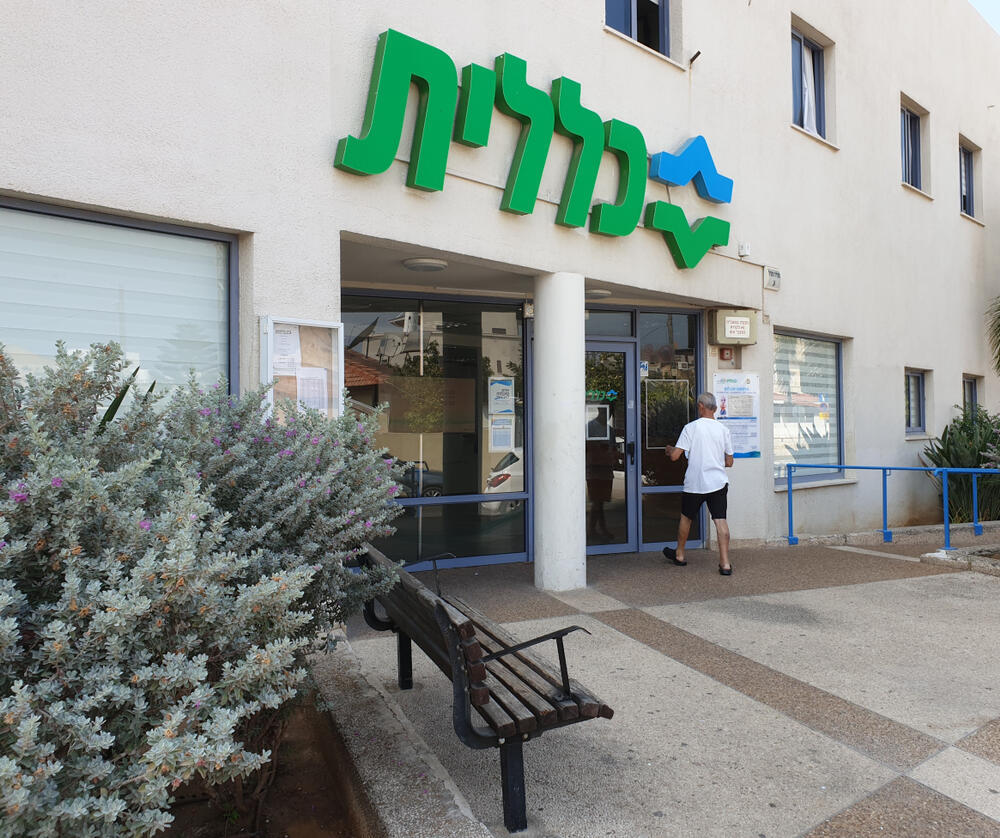
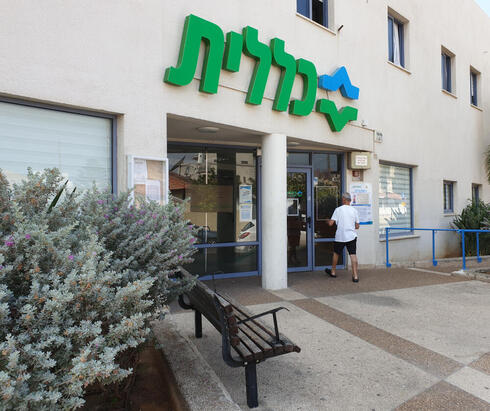
The project is intended to help patients who struggle to access the digital services offered by health funds because of language barriers, limited literacy or a lack of smartphones and internet access. Many in these groups still have to rely on call centers or visit clinics in person to complete tasks that other patients can handle independently through an app or website. According to Clalit, the proportion of patients who book appointments online remains relatively low among these populations.
The system will use speech-recognition technology to allow patients to communicate in their own languages and natural speaking styles. They will be able to report symptoms, schedule appointments and complete preliminary medical intake without having to type. A separate voice-based service will cater to people without internet access or whose devices block apps and text messages. It will work through both landlines and standard mobile phones.
Although the announcement does not explicitly identify the communities the project is intended to serve, the technology could be particularly relevant to parts of the Arab and ultra-Orthodox communities. Arabic-speaking patients may prefer to receive services in their native language, while some ultra-Orthodox users rely on kosher phones that do not support apps or SMS messaging.
The announcement describes the platform as being designed for five million patients. That figure roughly corresponds to Clalit's overall membership, rather than the smaller populations that face the greatest barriers to accessing digital healthcare. A pilot is planned ahead of a nationwide rollout, but the organizations have not disclosed a timetable or specific targets for measuring the project's success.
Questions also remain about what will happen after the grant expires in two years. Neither organization has detailed how the system's ongoing operation will be financed, while the proposal to make its architecture open source for healthcare organizations worldwide remains a future ambition without a specified timetable.
The project also raises questions about Clalit's reliance on Google and the handling of sensitive medical information. Although the grant is philanthropic, the system will use Google's cloud services and AI models, potentially expanding the role of the company's technology within one of the world's largest healthcare databases.
Clalit says patient conversations will be encrypted and that data will undergo de-identification to protect users' identities. It says the system will operate under a Zero Trust Network Access (ZTNA) security architecture, with full data encryption and strict separation between patient information and external systems. According to the health fund, medical information will not be transferred to public repositories or Google's search engine, and the agreement with Google.org includes a specific legal exclusion covering patient data.
Clalit says that only the software code and AI methodology will be made available as open source to healthcare organizations around the world. Patient records and clinical information will remain within Clalit's protected network, subject to medical confidentiality and data-protection safeguards.



