








HR The Next Leap
MIND: “There's a real level of frustration in the air that we don't ignore”
Omer Kfir, Head of HR at Mind Security, discusses how the cyber startup is adjusting its people strategy during a rolling state of emergency, while balancing the rise of AI and a swing to an employer's market, as part of CTech’s HR: The Next Leap series.
"We're not seeing a wave of people actually leaving [the country], but the conversations around it have increased, and there's a real level of frustration in the air that we don't ignore," says Omer Kfir, Head of HR at Mind Security, an Israeli cyber startup specializing in Data Loss Prevention. Commenting on how the ongoing war and latent tensions with Iran have affected the workforce, Kfir explains, "In today’s reality, stability has become the ultimate benefit. Burnout today is not just professional; it’s emotional, personal, and shaped by the broader reality people are living in."
From active and looming war threats, to AI rapidly and constantly redefining what it means to be productive, running a company in Startup Nation brings with it its own category of challenges and rewards. HR: The Next Leap takes a glimpse into the heart of Startup Nation via the HR professionals shaping its culture. We survey the executives whose jobs are more demanding and more vital than ever, as they heed the future-proofing of their workforce, while simultaneously ensuring business continuity and employee wellbeing during relentlessly unprecedented times.
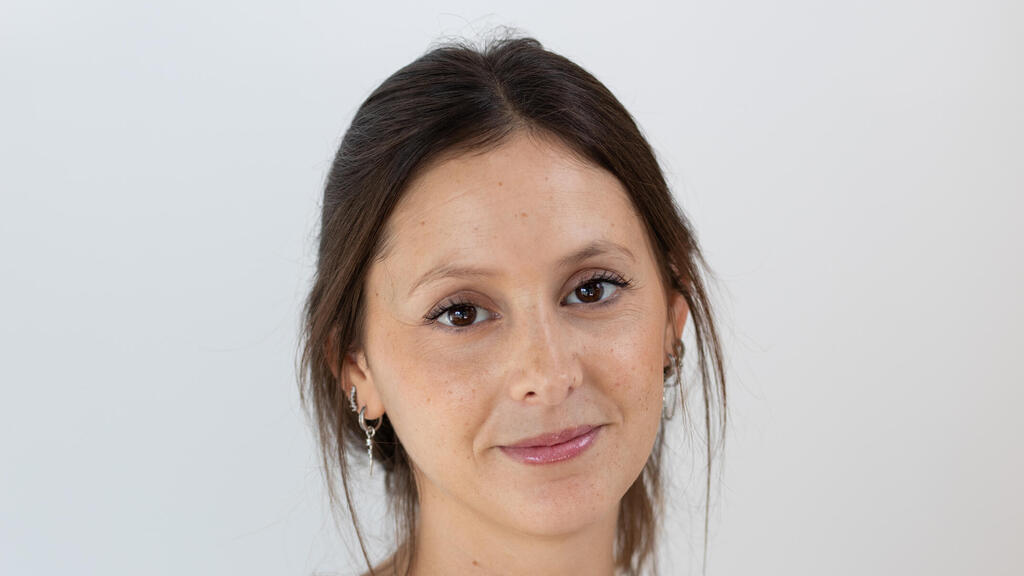
Despite the obvious disruptions, even during the height of the conflict, Kfir notes that “we didn’t stop recruiting for a moment. We continued hiring for all roles while adjusting processes to the situation.” Meanwhile, as the broader market shifts to favor employers, the company has noticed that “candidates are now more willing to compromise on conditions that were previously deal breakers, such as remote versus office work.” When it comes to junior hiring, Kfir says they are looking for more than just a degree: “candidates who can think critically, use AI tools effectively from day one, and show real interest in technology and how they engage with it.”
You can read the entire interview below.
Company Name: Mind Security
Sector: Cyber
Founders: Eran Barak, Itai Schwartz, Hod Bin Noon
Year of Founding: 2022
Investment stage: Series A
Total investment to date: $40M
Investors: YLV, Crosspoint Capital, Paladin, and others
Current number of employees: 55+
Website: https://mind.io/
Social Media: LinkedIn
In March 2026, as the market has officially shifted into an 'employer's market,' how have your screening criteria changed, and do candidates - including senior-level ones - still hold any leverage in negotiating salaries and terms?
The market has indeed shifted, and we've seen that candidates are now more willing to compromise on conditions that were previously deal breakers, such as remote versus office work, and are more willing to align with company requirements and invest more in each hiring process. But our hiring philosophy hasn't changed; we still prioritize proven, measurable experience over potential alone because we believe that's what builds strong teams.
What has changed is that we're also more selective about fit. We want people who genuinely want to grow with us in the long term, not just collect a paycheck. In cybersecurity specifically, competition for top talent remains fierce, and frankly, we welcome that challenge. We invest seriously in compensation, professional development, and a culture that retains people in the long term.
How have/are you managing operational continuity and recruitment while the economy navigates the emergency state triggered by the conflict with Iran? With the threat of escalation looming at any moment, how are you and have you been handling everything from interviews interrupted by sirens to managing teams thinned by massive, ongoing reserve duty?
This is no longer just a recruitment challenge; it is a question of real-time organizational resilience. In this reality, we have shifted to a more flexible, “combat-mode” operating model, where both execution and hiring adapt to constant uncertainty. We didn’t stop recruiting for a moment. We continued hiring for all roles while adjusting processes to the situation. It was common to have interviews interrupted by sirens, which meant rescheduling, delays, and constant coordination to keep processes moving. We also moved most of the process to video interviews instead of in-person meetings, and added an on-site stage later on when possible, so both sides could still get a proper feel.
The bigger challenge was that many of our interviewers were called up for reserve duty, sometimes for weeks at a time. That naturally slowed things down. Our solution was to restructure the interview process by adding interview stages, ensuring that key stakeholders could still meet candidates and be part of the decision.
From an operational standpoint, we addressed this by planning ahead and redistributing responsibilities across the team. There’s a strong sense of ownership; people step in, support each other, and at times temporarily replace colleagues who are on reserve duty.
Beyond the role of empowering employees, which roles has AI eliminated over the past year, what percentage of your workforce was reskilled to avoid being phased out, and how has this impacted entry-level hiring?
At this stage, AI hasn’t directly replaced specific roles at MIND, but we’re very aware of where things are heading. Our focus right now is on adoption and making AI part of how we work, not replacing people. The emphasis is on upskilling. In the last year, we have been actively integrating AI tools into our day-to-day work across all departments, including dedicated training sessions, so employees can adopt these tools properly.
When it comes to entry-level hiring, it has definitely shifted, but that started even before AI. Hiring juniors has always been a bit of a bet, so when younger candidates come in for interviews, we’re looking for more than just a degree: candidates who can think critically, use AI tools effectively from day one, and show real interest in technology and how they engage with it. AI isn’t replacing people, it’s redefining what makes them valuable. And most importantly, with or without AI, what really matters is their mindset, motivation, and drive to grow.
Against the backdrop of the unstable security and political climate, are you seeing an increase in relocation requests or 'quiet quitting' by top-tier talent moving abroad, and what is the most proactive step you are taking to retain them in Israel?
We're not seeing a wave of people actually leaving, but the conversations around it have increased, and there's a real level of frustration in the air that we don't ignore. A large part of our team is active reservists who are deeply rooted here and want to stay.
From our side, the most proactive step has been flexibility. We offer the option to work remotely for a certain period, giving people time to reset, especially after the recent escalation with Iran. About half of our company is based in the U.S., and remote work is already part of the structure. We have also had Israeli employees relocate temporarily for personal reasons while continuing to work remotely, and we fully supported that.
At the end of the day, flexibility is key, whether it is remote work, time off, or simply the option to take a break. For people who are struggling but still want to stay, that kind of support makes a real difference.
In an era where stability has replaced flashy perks, how are you addressing the deep mental burnout of employees torn between the professional and security fronts, and what is the most critical benefit you offer today in place of the bonuses that have vanished?
We are seeing a clear shift from engagement through perks to retention through stability and meaning. In today’s reality, stability has become the ultimate benefit. Burnout today is not just professional; it’s emotional, personal, and shaped by the broader reality people are living in.
Our main focus is simple: making sure people feel seen. More personal, ongoing communication like weekly check-ins, closer relationships with managers, and a clear message across the company that right now, personal life comes first. It also shows up in practice. People aren’t expected to take time off for a sleepless night or a challenging day with their kids. There is real flexibility, and an understanding that sometimes doing what you can is enough. Being a smaller company allows us to stay agile, personal, and responsive. We can adjust quickly and support people in real time. We also put a strong emphasis on supporting our managers. Not just expecting them to be there for their teams, but making sure they are supported as well.
If I had to define the most critical benefit today, it’s a real sense of stability and knowing your job is secure, that the company is transparent, and that the company supports employees with everything they need.



