











GTA 6 is about to become more than a video game
Rockstar's latest installment has been years in the making, with an estimated $2 billion investment and expectations of record-breaking sales. But the series' enduring appeal goes beyond its open-world gameplay, combining outrageous criminal escapades with a sharp, often provocative satire of American culture.
In preparation for Thursday, November 19, millions of people around the world, according to various estimates, have already announced their intention to take the day off work. They will be women and men, young and old, from different religions and nationalities. But they will all have one thing in common: an inability to resist the urge to start playing GTA 6, the new Rockstar video game set to launch that day.
For more than two decades, every new installment in the GTA series, short for Grand Theft Auto, has become a cultural event, captivating millions of players. But the release of the latest game looks set to surpass everything that came before it. Rockstar's developers have reportedly spent around 12 years working on it, while the company is estimated to have invested an unprecedented $2 billion. Expectations are correspondingly enormous, as is the anticipated commercial payoff. The game is likely to break industry revenue records, and even before its launch, it is estimated to have generated more than $750 million from digital pre-orders alone.
To understand why the GTA series has become such a major cultural phenomenon, some background is necessary. The first game was released in 1997, allowing players to steal cars, kill police officers and run over pedestrians. Unlike most games of the time, which cast players in the role of law enforcement or other conventional heroes, GTA put them in the shoes of unrestrained criminals. The game was condemned by parents' organizations and conservative politicians, who accused it of encouraging antisocial behavior. But the graphics of the era made its content difficult to take too seriously. The action was viewed from above, the visuals were pixelated, and the violence rarely felt particularly realistic.
Four years later, the release of GTA III changed everything. The developers continued to encourage players to engage in a wide range of criminal and immoral acts, including murder, robbery and soliciting prostitutes. But this time, they placed those activities in a fully realized 3D world that offered an unprecedented degree of freedom. Rather than following a predetermined path, as was standard in video games at the time, players could explore the world on their own terms and do as they pleased. Parents' organizations were outraged once again, and conservative politicians went on the offensive. But gamers and critics fell in love with the game. It sold approximately 17 million copies, an extraordinary figure at the time, and is still considered one of the most influential titles in video game history.
The commercial success of GTA III, its glowing reviews and the creators' enjoyment of their status as the industry's "bad boys" fueled their growing ambitions. In the sequels released in 2008 and 2013, Rockstar appeared determined to redefine the relationship between entertainment and art. Alongside the expected technical improvements, including polished gameplay, stunning graphics, sharp dialogue and suspenseful missions, the games functioned as cultural Trojan horses. They were quintessential capitalist consumer products, sold at premium prices to entertain audiences around the world. Yet Rockstar used the worlds it created to satirize the very America that seeks to shape the world in its own image: its addictive consumer culture and mind-numbing mass media; its deadly obsession with firearms; its self-absorbed New Age gurus and restaurants that encourage patrons to gorge themselves; the saccharine hypocrisy of the right's "family values" and the aggressive political correctness of the left. The targets were plentiful, and few aspects of American life were spared.
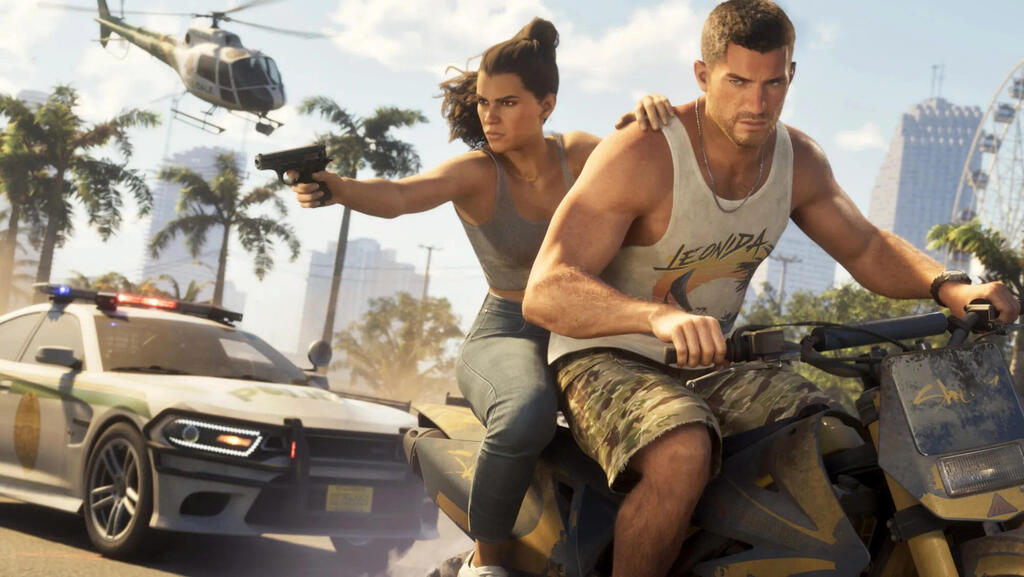
The latest installment, set in the fictional state of Leonida, based on Florida, introduces a series of innovations that reflect the spirit of the times. For the first time, players will be able to take on the role of a female protagonist, while the game also features familiar caricatures of MAGA supporters. The developers are also taking aim at another defining feature of modern life: social media. In a scene shown in an extended gameplay preview, an influencer trapped in the trunk of a stolen car continues to provide his followers with live updates about his ordeal.
This is more than a passing joke. Social media is woven into the gameplay itself. If the protagonists commit a crime in front of witnesses, those witnesses may immediately pull out their phones and record the incident, making it easier for the police to identify and pursue them. Escaping the authorities will therefore require more than reckless driving. Players may also need to change their appearance to avoid detection.
Alongside these and numerous other additions, the game will feature 23 radio stations, accessible from any vehicle. As in previous installments, each station will focus on a particular genre or format, including news, shopping, classic rock, hip-hop, country and pop, with hundreds of songs in total. The opportunity to be part of the spectacle has reportedly attracted artists such as Keith Richards of The Rolling Stones, Cardi B and Travis Scott, who are expected to debut new music within the game world.
Some of the stations will also be hosted by well-known figures, including Lana Del Rey and Bad Bunny. The latter has frequently used his real-world platform to criticize the United States. The virtual stage Rockstar is giving him could bring those criticisms to an even wider audience, continuing a tradition that the developers themselves have maintained for nearly 30 years.



