







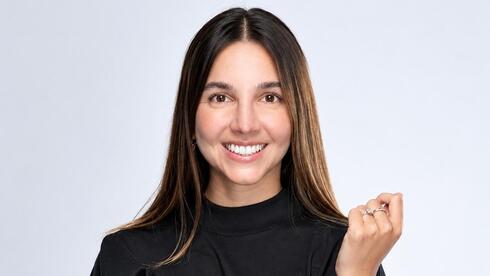



"The hardest thing for a male-dominated startup is bringing in the first woman"
The barriers facing women entering Startup Nation’s cyber sector aren’t about a lack of willingness to hire them. All the more so in the AI era, closing that gap is essential to defending the entire attack surface. Initiatives like Hackeriot are part of a broader effort to challenge Israel’s traditional military-to-tech pathways into cyber.
“The hardest thing for a male dominated startup is bringing in the first woman,” says Ori Salomon, CEO of Hackeriot.
In Israel's high-tech landscape, women represent only roughly 24% of the cybersecurity workforce, she explains. “When you look at technical positions, the numbers drop to around 13%.”
For the past three years, Salomon has led Hackeriot, a volunteer-driven organization of over 300 cyber professionals founded to help build pathways for young women into Israel’s cyber sector.
“In Israel… we hear about new startups coming up and creating something new every day. But we don't see many women out there; not as entrepreneurs, not as leaders,” adds Reut Weitzman, Director of Cyber Resilience and Response at Check Point, and frequent Hackeriot volunteer.

However, this gender disparity is rarely born out of a reluctance to attract female talent. It is largely a byproduct of Israel’s endemic cyber career pipelines, resulting in the social roadblocks of an all-male startup culture. The elusive “first female hire” remains one of Startup Nation’s most persistent challenges.
Reflecting on her experience at an early-stage startup – a role she held between her tenure at Microsoft and a stint in venture capital – co-founder and CEO of newly launched identity security startup Venice and also a Hackeriot volunteer, Rotem Lurie recalls: “I was the head of product, and I was employee number 15, and I was the only woman until like employee number 25.”
“All of the people that I worked with were amazing, and I had the best experience working with them. They were more than happy to be working with more women.”
Still, as Salomon notes, “I think it's very natural that a woman will join an environment that is woman friendly, which means that has a woman within it.”
An absence of adequate female representation creates a chicken-and-egg scenario, perpetuating a level of reluctance and intimidation that prevents prospective female candidates from taking the first step. “It’s like a sales funnel, right?” explains Lurie. “You're unable to get to places that you're unable to dream of getting… The only way to have more women at the top of the funnel is to give them visibility to where they can get to; to how they can be as leaders.”
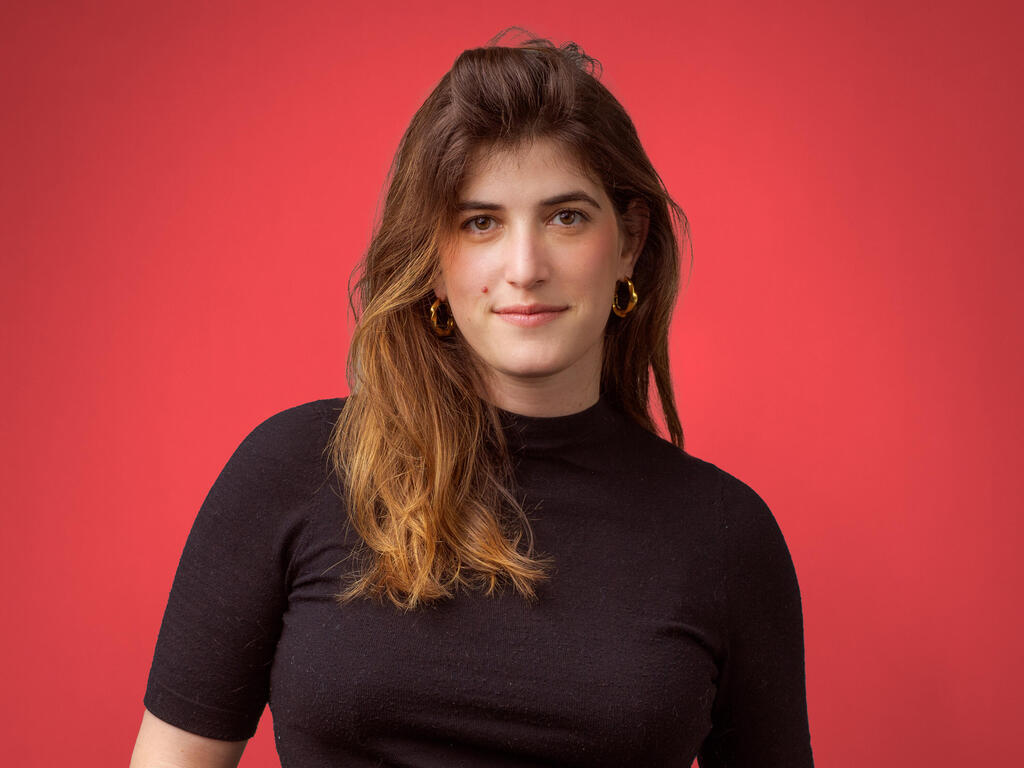
As mentioned earlier, it’s fair to attribute much of this systemic issue to Israel's traditional cyber entry pipelines. As Salomon describes, "The situation in Israel is a pretty closed ecosystem.” She continues: “You go to military service and to some cool security unit, and then from there the road is pretty clear.” Because this funnel is historically male-dominated, it is heavily reliant on informal, rather insular peer networks that graduate with the military talent and transition directly into the private sector.
“For young women,” says Salomon, “We don't even know it's an option. I never even thought that cybersecurity was an option for me when I was a teenager.”
And yet, the benefits of female representation in cyber measurably elevate the performance of the entire group. “There is an awesome military study done by the IDF on a couple of the security and programming courses that show if there's a majority of women in the course, more people will graduate,” says Salomon, referring to data evaluating the IDF's School for Computer Science Professions (Basmach).
Further, a 2011 study by economists Victor Lavy and Analia Schlosser, which included data from Israeli schools in their analysis, found that a higher proportion of female students in a classroom improves academic outcomes and matriculation rates for both boys and girls.
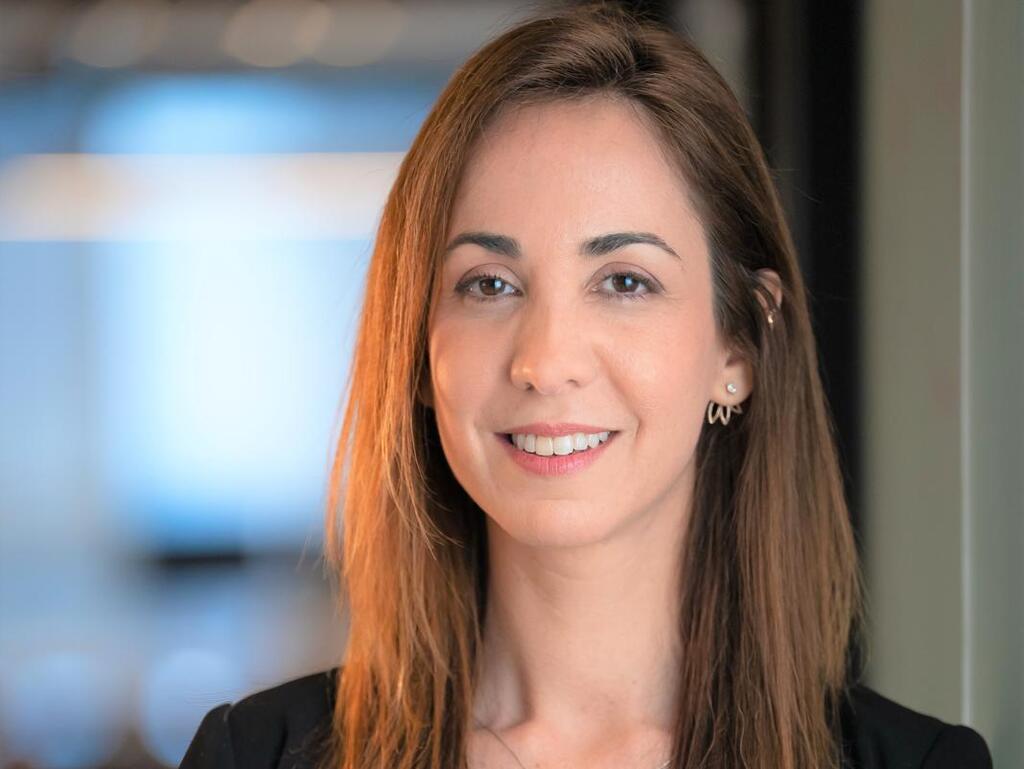
In the throes of the AI revolution, the need for better representation now is particularly critical. With algorithms currently being written into the fabric of our future society (or at least the tech that will indelibly define much of our future society) there comes the risk of marginalized groups falling victim to algorithmic bias and exclusion.
In fact, the risk of a demographic monoculture, Salomon argues, “has already been proven.” She continues: “the models were trained on data that we've created and we're biased."
"At the moment we should be more concerned about bias if we're not in those rooms,” warns Lurie. “At the end of the day, all of those tools, they trained on data. And if the data they learned on represents the reality, and if the reality is that you have no woman, yes, it's going to be biased.”
There is also growing concern of AI exacerbating already existing asymmetrical targeting of women in cyberattacks. According to a 2021 Pew Research Center poll, online harms and digital harassment disproportionately affect marginalized groups, including women.
“This is why everybody keeps saying that identity is the new perimeter for governing AI,” says Lurie.
Conversely, and of express pertinence to the success of the cyber industry in the AI era, integrating a wider range of diverse experiences constitutes a more complete understanding of the entire attack surface the industry needs to defend against.
“As a defender, you need to defend from everything while the attacker just needs to find one weak spot," says Salomon. "We bring different perspectives and we put the scope on different things, and that's important because when in cybersecurity you need to think of all of the possibilities.”
Further, she continues: “When an organization decides where to navigate its resources, it's very important that there will be a presence of women in this process to bring our interests into the table."
From her perspective overseeing red teaming and exposure management, Weitzman affirms that a broader representation of interests across the board “would help to raise the awareness of other perspectives and other weaknesses or soft spots. So products would be more secure or developed.”
“I am a firm believer that no innovation can be created within an echo chamber,” states Lurie. “You've got to have someone that is able to give a different perspective about the idea, about how you operate. This is the only way to actually come up with innovation quickly.”
Yet, while the AI revolution poses these inherent risks for any female candidates deterred by the sector’s traditional barriers to entry, the erasure of legacy advantages that the AI revolution has wrought actually offers a rare opportunity to bypass the gridlock.
“AI brings an opportunity to cybersecurity because literally no one knows where this industry is headed,” argues Lurie. “No one knows anything anymore. So it's a really great opportunity to learn from scratch. And if you're curious and hardworking, it's so easy today to complete this gap.”
“Personally for me, I think the cyber industry is so interesting,” adds Weitzman. “It's so dynamic and diverse, and I’ve enjoyed it for so many years now, and I want to see other young women enjoy it as well."
For the young women attending Hackeriot, Weitzman hopes “they will see this as something that they want to pursue, and it’s possible… You just need to show them the door is open and if it's not open, then knock harder."
“The cybersecurity field really comes together around the subject of Hackeriot,” affirms Salomon. “We have companies from the same domain, who are competitors, and they’re working together to support this process.”
But while initiatives like Hackeriot and its holistic support – from its industry events and community building, to its dedicated mentorship programs that see over 50% of participants graduate into the cyber industry – serve as an invaluable supplement for the sectoral challenges, the responsibility of bridging the gender gap in Israeli cyber cannot solely rely on young women pushing their way into the room.
“My vision is that we will not need Hackeriot anymore because we will be fifty-fifty,” says Salomon.
To achieve this, as Lurie insists, industry leaders must also be actively pulling them in. For Startup Nation founders struggling to make their first female hire, she recommends a concerted effort to headhunt qualified women rather than waiting for their CVs, which may not necessarily come.
“I actively look and I search for high-profile women and I ask my network,” she says. “Sometimes you need to find them and tell them that even if they only qualify 80% of the job description, they can still apply.”



