










How Israel’s AI surveillance breakthrough in Iran is reshaping global intelligence
From Conntour to Airis, Israeli startups are driving a shift in how governments analyze vast video networks.
A Financial Times report that Russian security services temporarily shut parts of a surveillance system protecting President Vladimir Putin after the assassination of Iran’s Supreme Leader Ayatollah Ali Khamenei has underscored how rapidly AI-powered intelligence tools are reshaping global security thinking.
The move followed concerns in Moscow that similar technologies used in Iran, which allegedly helped Israeli intelligence analyze vast streams of traffic-camera footage, could expose vulnerabilities in Russia’s own extensive surveillance infrastructure.
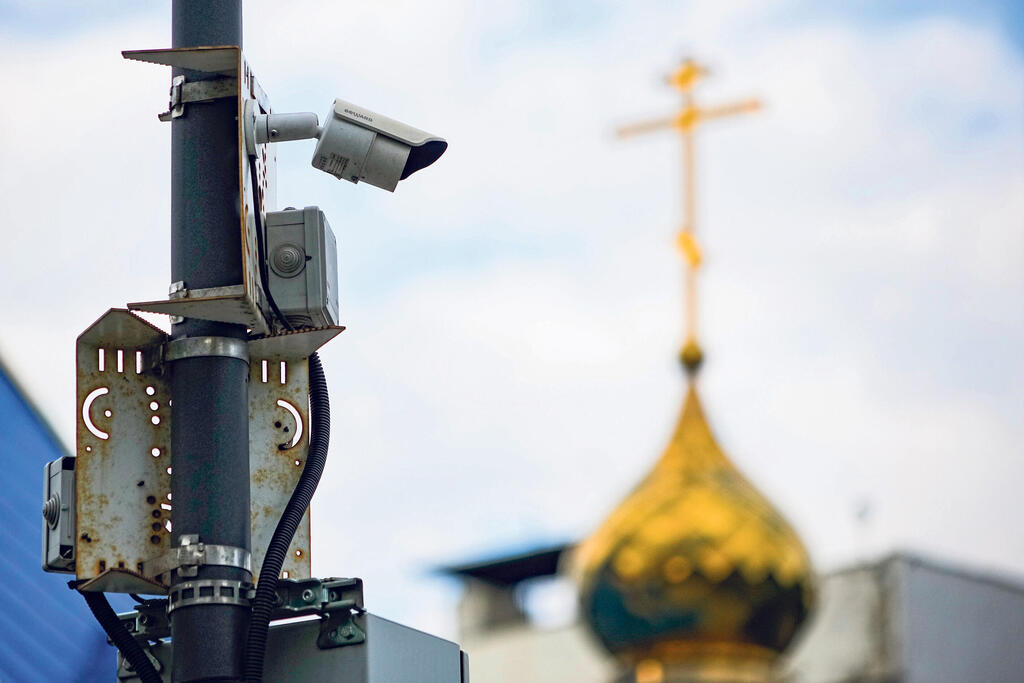
According to the FT report, Russian officials feared that systems designed to monitor domestic populations could themselves be turned into tools for foreign intelligence operations, prompting engineers to temporarily disable and then isolate parts of Putin’s personal security camera network from the internet.
The concerns were directly linked to the Iran operation, where Israeli intelligence is reported to have used hacked traffic cameras and AI systems to track patterns of movement and identify the timing of a high-level meeting in Tehran ahead of the February 28 assassination.
The episode, first reported in early March, marked a turning point in how intelligence agencies view everyday surveillance systems: not just as monitoring tools, but as data-rich networks that can be mined, analyzed, and weaponized at scale.
At the center of this shift are a new generation of AI companies, including Israeli startups Airis and Conntour, which are building tools designed to make sense of massive volumes of fragmented video data.
Airis, which has raised $60 million to date from investors including PSG Equity and TLV Partners, develops AI systems that combine inputs from traffic cameras, drones, body-worn cameras, and other visual sources into a unified intelligence picture. The system is designed to allow real-time querying and analysis of large-scale video data.
The company, founded by veterans of Israel’s intelligence and defense ecosystem, has already been deployed in government contexts and is part of a US Army technology program.
Conntour, a Tel Aviv-based startup founded in 2024 and backed by investors including General Catalyst and Y Combinator, takes a complementary approach. Its platform allows users to search video networks using natural language, for example, querying footage for specific objects, individuals, or behaviors without relying on predefined categories.
Both companies reflect a broader shift in surveillance technology: from static monitoring systems to dynamic, searchable intelligence networks.
The Iran case has become a reference point for this new era.
Israeli intelligence reportedly spent years accessing and analyzing traffic-camera feeds across Tehran, building behavioral “patterns of life” for security personnel and officials. The analysis was combined with other intelligence sources to map movements and identify operational windows.
The operation demonstrated how large-scale surveillance systems, originally designed for public safety, can be repurposed into intelligence tools when combined with modern AI systems capable of processing vast amounts of unstructured video data.
It also triggered international concern. Security agencies in multiple countries are now reassessing the resilience of their own surveillance infrastructure, particularly traffic and urban camera networks that were once considered low-risk.



