











The stakes behind OpenAI’s IPO
A slowdown in growth could reshape expectations for the entire AI sector.
Within months, OpenAI is expected to attempt not only the most consequential move in its history, but potentially one of the most significant public offerings ever: an IPO that could value the company at up to $1 trillion. Such a listing would mark a defining moment for the AI boom that has reshaped the technology sector over the past three years.
Yet as it prepares for that milestone, the company faces mounting challenges that threaten not only the IPO but also raise broader questions about the sustainability of the AI business model. According to a report by The Wall Street Journal, OpenAI has recently missed internal targets for both user growth and revenue.
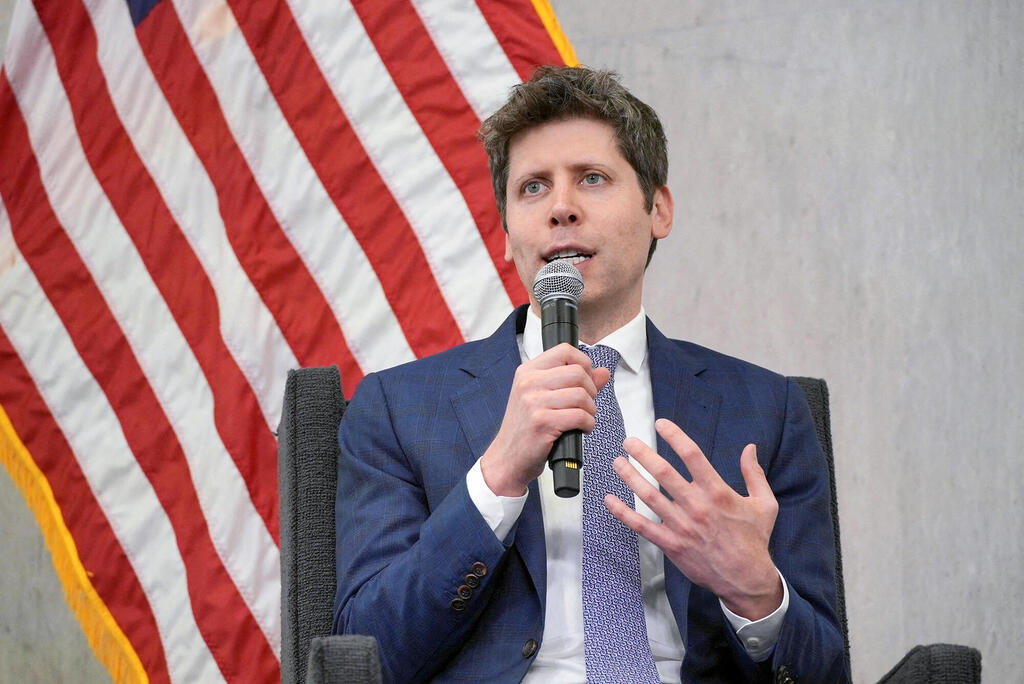
The shortfall has heightened concerns among executives and investors about whether the company can generate sufficient revenue to justify its enormous spending on infrastructure. Chief Financial Officer Sarah Friar has warned internally that, without faster revenue growth, OpenAI could struggle to meet future commitments for computing capacity.
Growth in ChatGPT slowed toward the end of 2025, while user churn increased. Competition has intensified, particularly from Gemini, which has gained traction and weighed on OpenAI’s expansion. As a result, the company failed to meet its internal target of one billion weekly active users by the end of 2025, a milestone it has yet to publicly claim. The disappointment has unsettled investors, with SoftBank Group, which holds a 13% stake, seeing its shares fall 9.8% following the news.
OpenAI also missed its annual revenue target for ChatGPT in 2025, and earlier in the year fell short of monthly revenue goals, in part due to rising competition from Anthropic in the enterprise market.
These pressures are particularly acute given OpenAI’s vast capital commitments. Under CEO Sam Altman, the company has aggressively secured data center capacity and computing power, accumulating an estimated $600 billion in future obligations. A slowdown in growth directly threatens its ability to sustain this level of investment.
In response, executives are seeking tighter financial discipline and stronger internal controls. According to the report, Friar has also expressed concerns about whether the company currently meets the reporting standards required of a public company, and has urged improvements ahead of a potential listing.
At the same time, OpenAI is reshaping its relationship with Microsoft, its largest strategic partner. The companies recently agreed to revise their long-standing arrangement, ending key exclusivity and revenue-sharing provisions. Microsoft will retain priority access to new OpenAI models but will no longer have exclusive rights to distribute them through its cloud.
The shift is expected to reduce OpenAI’s short-term revenue, as it moves away from revenue-sharing arrangements. However, it also opens the door to distributing its technology through other cloud providers, such as Amazon and Google, potentially expanding its customer base and strengthening its position in the enterprise market.
The partnership will nonetheless remain central: Microsoft will continue as OpenAI’s primary cloud provider through at least 2032. A revised revenue-sharing structure will remain in place until 2030, replacing earlier terms tied to the development of artificial general intelligence (AGI).
These changes come as OpenAI undertakes a broader strategic shift, moving its focus from consumer applications toward enterprise services, a model that has proven more stable and lucrative for competitors like Anthropic. The recent slowdown in consumer growth underscores the urgency of that transition.
The success of this pivot will be critical as OpenAI approaches a potential IPO in the second half of 2026. With an estimated valuation already around $850 billion, expectations for a trillion-dollar debut are high. But if growth fails to accelerate and financial discipline does not improve, what is expected to be the largest IPO in history could instead expose the limits of the current AI boom.
The broader implications
The consequences would extend beyond OpenAI. A disappointing IPO could ripple across the sector, affecting valuations and capital flows.
Anthropic, currently seen as a more disciplined and enterprise-focused rival, would likely be the first to feel the impact, either negatively, if sentiment toward AI companies deteriorates, or positively, if investors conclude it avoided the excesses now confronting OpenAI.
More broadly, a weak debut could cool enthusiasm across the AI market, making it harder for companies to raise capital and potentially triggering consolidation through mergers, acquisitions, and failures. In that scenario, the current wave of AI exuberance could give way to a smaller, more selective market.



