











GRIME 2 proves Israeli indie games can break through, but not easily
The game’s success comes as Israeli developers navigate both limited resources and increasing scrutiny abroad.
When CloverBite Studios released the original GRIME in 2021, it stood out as one of a small number of Israeli-developed indie titles to gain meaningful traction in the global PC and console market. Its sequel, GRIME 2, arrives under very different conditions, both for the studio and for the broader context in which Israeli developers operate.
The new game, released on March 31, has opened to solid critical and player reception. The game currently holds a 79 (“generally favorable”) score on Metacritic, while user feedback on Steam has been “Very Positive,” indicating strong early traction with its audience in its first two weeks.
That early success comes despite structural constraints that shape nearly every Israeli indie project: limited funding at home and increasing political scrutiny abroad.
2 View gallery
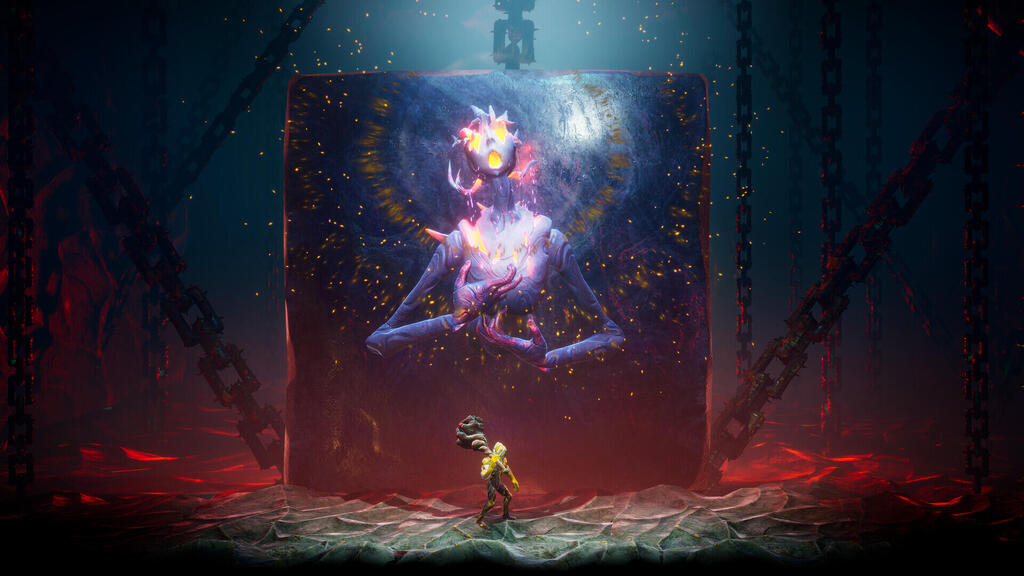
GRIME II is a surreal, 2.5D action-adventure Metroidvania developed by Clover Bite.
(Screenshot)
Israel’s games industry remains heavily skewed toward mobile and social casino titles, where companies such as Playtika and Moon Active dominate. By contrast, PC and console development is still a niche segment, with only a handful of studios producing original IP for global audiences.
That imbalance affects everything from hiring to financing. Talent is often trained for mobile-first development, while indie studios building premium games must assemble teams with different skill sets, often without access to the funding structures common in other markets.
For game director Yarden Weissbrot, one of the clearest expressions of those constraints is team size. While many successful indie studios scale up after a hit, the GRIME 2 team remained intentionally small, growing from six to seven developers over the course of production.
“We were the same size as we were when we worked on Grime 1 for the majority of the time,” Weissbrot said, noting that the decision reflects more than creative preference. “There’s not really any funding options in Israel.”
Without grant systems or public investment programs, Israeli studios often rely on internal backing, prior revenues, or private support. In CloverBite’s case, GRIME 2 was funded largely through its parent institution Tiltan, alongside publisher contributions.
The result is a development model where keeping teams lean is often necessary to manage financial risk.
At the same time, a large part of development took place under wartime conditions that introduced ongoing operational friction. Team members were frequently interrupted by security alerts and disruptions to routine schedules.
“There were days when [the lead developer] could barely squeeze in a few hours of work,” Weissbrot said.
For a small team, those interruptions carry outsized impact. When individual developers are responsible for entire systems, even short disruptions can delay progress across design, engineering, and testing.
2 View gallery
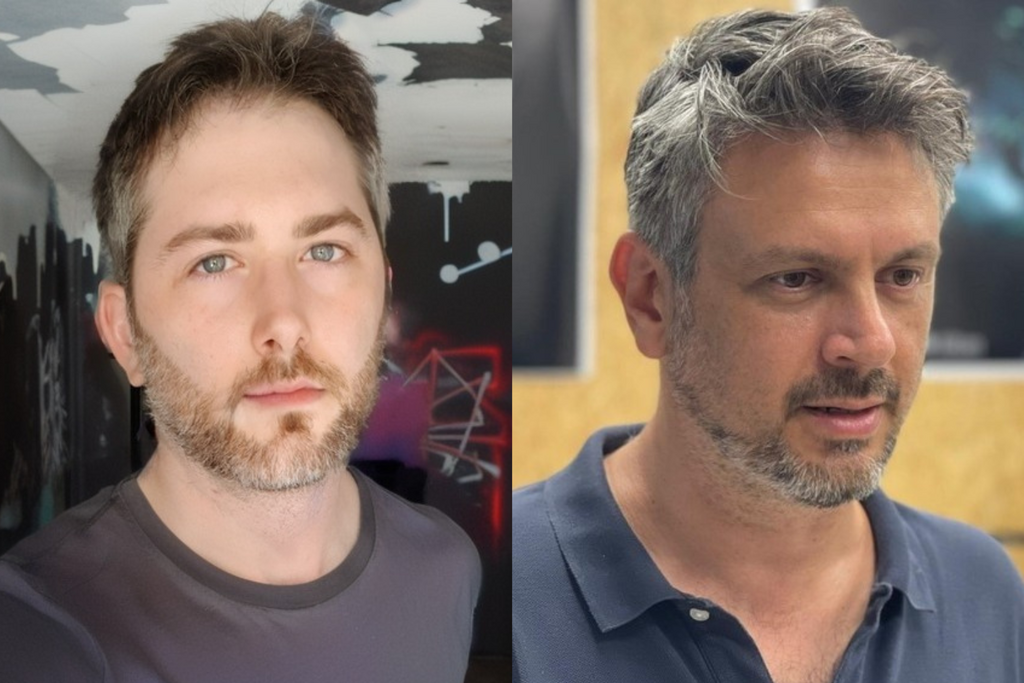
GRIME 2 game director Yarden Weissbrot (left) and Clover Bite studio manager Ofir Katz (right).
(Tiltan School of Design)
The broader business environment was also affected. According to studio manager Ofir Katz, several of CloverBite’s internal teams shifted away from longer-term projects early in the war, moving instead toward shorter development cycles to reduce financial exposure.
Alongside operational challenges, Israeli developers are navigating a more complex global reception environment.
“In any trailer that comes up we get a comment about boycotting because we’re from Israel,” Weissbrot said.
For indie studios, visibility is closely tied to commercial performance. Discovery on platforms like Steam is influenced by user engagement, review sentiment, and algorithmic promotion. Negative discourse, even from a minority of users, can shape how a game is surfaced and discussed.
Attempts to engage with criticism have had limited success. “If I don’t say every single slogan they want, they just don’t give a fuck,” Weissbrot said.
As a result, the studio has taken a cautious approach to how prominently it presents its Israeli identity. “I try to keep it as discreet as possible,” he said.
The concern extends beyond community sentiment to potential industry exposure. Coverage, partnerships, and platform visibility can all be indirectly affected by geopolitical perceptions.
Despite these constraints, GRIME 2 reflects a level of continuity that remains relatively rare in the local ecosystem. According to Katz, “The indication for sustainability is studios working on their second game.”
CloverBite itself has expanded to 45 developers across multiple teams, working on a mix of original IP and smaller-scale projects. But even as the studio grows, the same structural limitations remain in place.
For Israeli indie developers, GRIME 2 illustrates both progress and constraint. A locally developed franchise can reach global audiences, earn strong reviews, and sustain a sequel. At the same time, the conditions under which that success is achieved, limited funding, operational disruption, and a more complex global reception, continue to shape what is possible and at what scale.



