











The $80 billion year: Israel’s biggest tech exits of 2025
From Google’s $32 billion Wiz deal to a wave of strategic and private equity takeovers.
2025 will be remembered as a watershed year for Israeli high-tech. After a prolonged slowdown in global tech dealmaking, acquisitions involving Israeli-founded companies surged to an estimated $80 billion, setting a new record for exits and underscoring Israel’s central role in cybersecurity, cloud infrastructure, fintech, insurance software, and AI-driven industrial systems.
At the top end, a handful of mega-deals dominated headlines. But taken together, the year’s ten largest transactions tell a broader story: of global incumbents buying growth rather than building it; of private equity returning forcefully to software; and of Israeli founders cashing out at scale after years of building through volatility.
Below are the 10 largest Israeli high-tech M&A deals of 2025, ranked by deal value.

Google’s parent company, Alphabet, agreed to buy cloud security startup Wiz for $32 billion, making it the largest acquisition in Google’s history and the biggest cybersecurity deal ever recorded.
Founded in 2020 by Assaf Rappaport, Ami Luttwak, Yinon Costica, and Roy Reznik, Wiz rose at unprecedented speed, becoming one of the fastest-growing enterprise security companies globally. A year earlier, the founders walked away from a $23 billion offer amid regulatory concerns and instead pursued an IPO path. The eventual deal suggests a changed regulatory calculus, and Google’s urgency to strengthen its cloud security position against Microsoft and Amazon.
9 View gallery
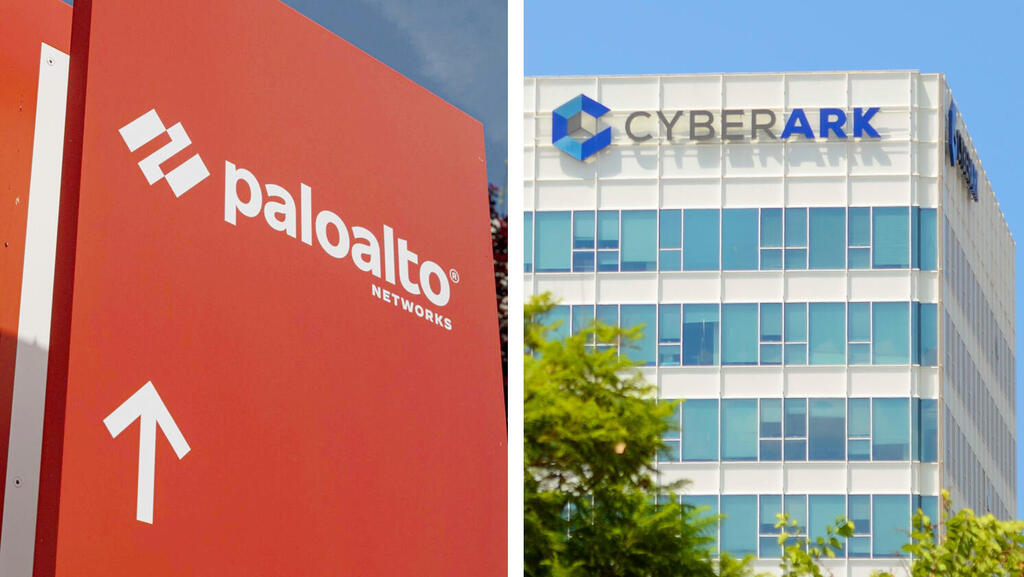
Palo Alto and CyberArk.
(Photos: David Paul Morris/Bloomberg, ShU studio/Shutterstock)
Palo Alto Networks’ $25 billion all-stock acquisition of CyberArk marked the second-largest Israeli tech exit ever and a defining moment for the cybersecurity industry.
CyberArk, founded in 1999 by Alon Cohen and Udi Mokady, pioneered identity security long before it became a central attack vector. The deal represents a strategic reversal for Palo Alto, whose founder Nir Zuk long dismissed identity as peripheral, until AI-driven threats made it unavoidable. CyberArk entered 2025 projecting $1.3 billion in revenue and $225 million in operating profit, far outpacing some of its publicly traded peers.
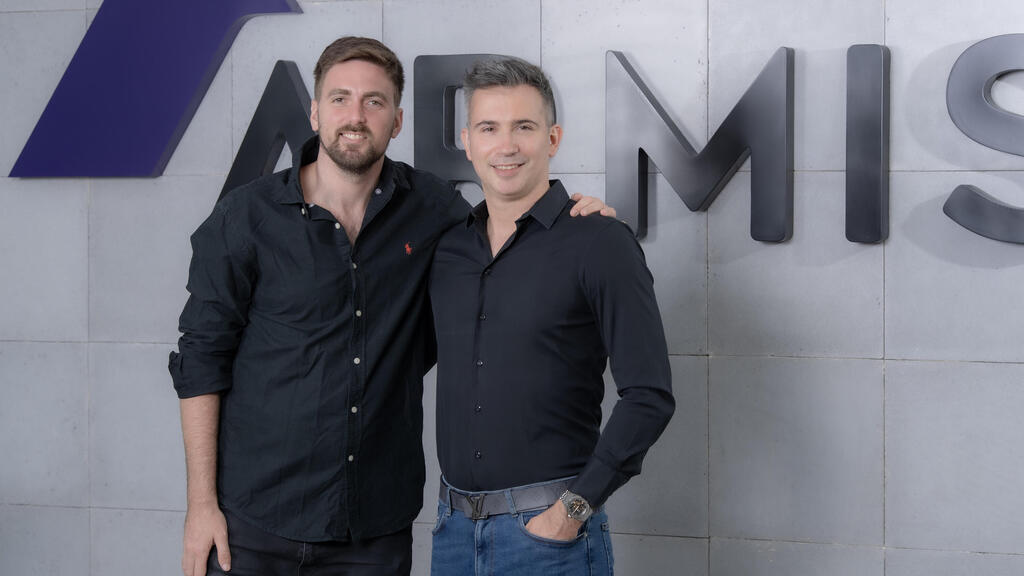
ServiceNow’s $7.75 billion all-cash acquisition of Armis came just weeks after the company raised $435 million at a $6.1 billion valuation.
Founded in 2015 by Yevgeny Dibrov and Nadir Izrael, Armis specializes in securing critical infrastructure and unmanaged devices across enterprise environments. The sale capped a rapid valuation climb that included multiple funding rounds and acquisitions of its own, and underscored the strategic premium placed on real-time visibility across complex digital attack surfaces.
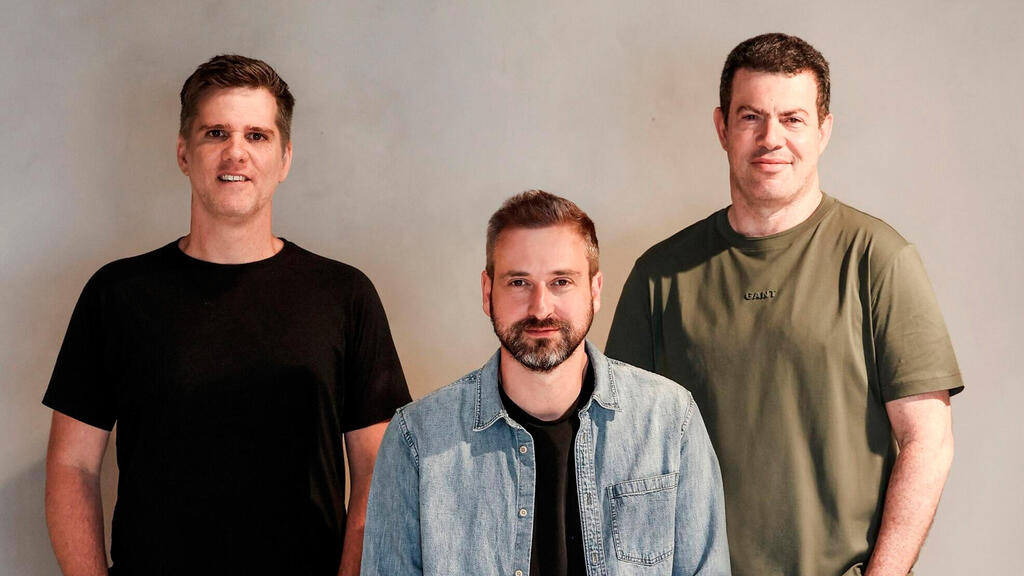
New Zealand-based accounting software firm Xero agreed to acquire fintech startup Melio in a deal valued at up to $3 billion, including earnouts.
Founded in 2018 by Matan Bar and Ilan Atias, with Tomer Barel as president, Melio built a large U.S. payments business, processing more than $30 billion annually for over 80,000 small businesses. The deal gives Xero a strategic payments foothold in the U.S. and delivered one of Israel’s largest fintech exits, despite Melio’s valuation having declined in its most recent private round.

Munich Re, through its ERGO unit, agreed to acquire Next Insurance for $2.6 billion in cash.
Founded in 2016 by Guy Goldstein, Nissim Tapiro, and Alon Huri, Next built a technology-driven insurer focused on U.S. small businesses. Although the acquisition price was below its last private valuation of $4 billion, the deal reflects the return of strategic buyers to insurtech after a prolonged correction.
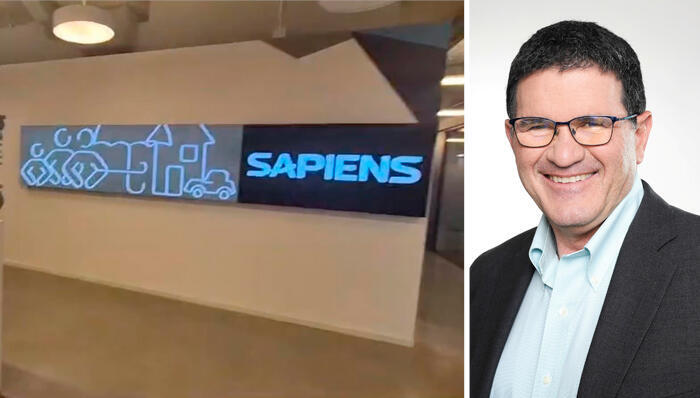
Private equity firm Advent agreed to acquire insurance software provider Sapiens in a $2.5 billion all-cash transaction, taking the company private at a 64% premium to its pre-deal share price.
Founded in 1982, Sapiens has steadily shifted toward SaaS and AI-driven products for insurers. The deal signals renewed private equity confidence in mature, cash-generating enterprise software platforms following years of public-market volatility.
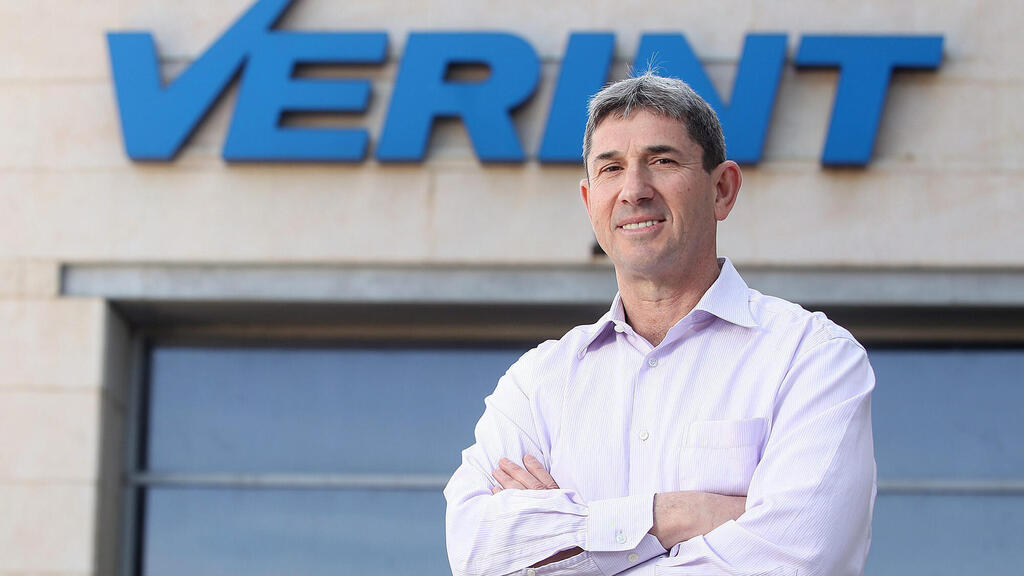
Verint agreed to be acquired by Thoma Bravo in a $2 billion buyout, delivering an 18% premium to shareholders.
The transaction removed Verint from public markets and places it within Thoma Bravo’s growing portfolio of enterprise software companies, with a focus on AI-driven customer experience automation.
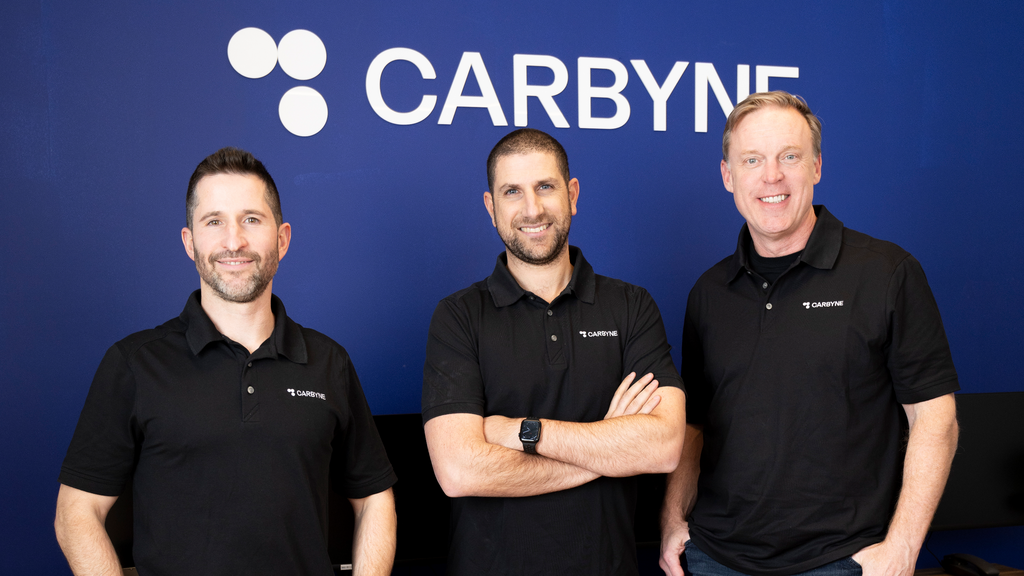
Public safety technology company Axon acquired Carbyne for $625 million in cash, just three months after leading its $100 million funding round.
Founded in 2015 by Amir Elichai, Alex Dizengoff, Yony Yatsun, and Lital Leshem, Carbyne developed an AI-powered emergency communications platform used by public safety agencies worldwide. The deal integrates cloud-based 911 infrastructure with Axon’s hardware and field technologies.
Boston Scientific agreed to acquire medical device company SoniVie in a deal worth up to $540 million, including milestone-based payments.
SoniVie developed an ultrasound-based renal denervation system aimed at treating hypertension without drugs. The acquisition reflects growing interest in device-based alternatives to chronic medication, particularly for large patient populations.

Energy and water infrastructure firm Itron agreed to buy Locusview for $525 million in cash.
Founded in 2014 by Shahar Levi, Locusview built software for managing and planning energy infrastructure construction. Remarkably, the company raised just $70 million before exiting, operating profitably in recent years as demand surged for grid expansion tied to AI and data center growth.



