










AI cheating scandal at Brown University exposes challenge facing higher education
A professor says a dramatic gap between take-home and classroom exam results revealed how students may be using ChatGPT to bypass learning.
How widespread is the use of artificial intelligence among students, including for assignments where its use is prohibited? An incident at the prestigious Brown University in the United States last semester offers a glimpse into the scale of the challenge.
After an economics professor decided to hold his final exam in a classroom setting rather than as a take-home assignment, student scores plunged by 50% compared with the midterm exam, which had been conducted remotely. The professor believes the dramatic gap was largely due to students using AI chatbots such as ChatGPT to cheat on the take-home exam.
"We cannot afford to have a society in which a significant fraction of our best young minds think that cheating is OK," Professor Robert Serrano told the education publication Inside Higher Ed. "That leads to a declining society, to a failed society … We cannot choose to become idiots."
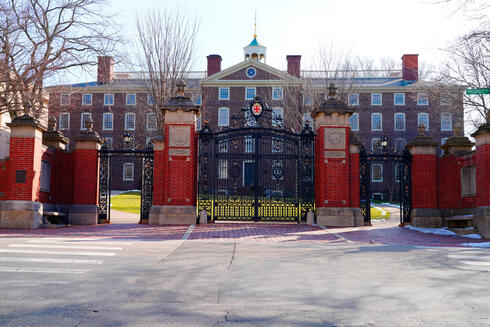
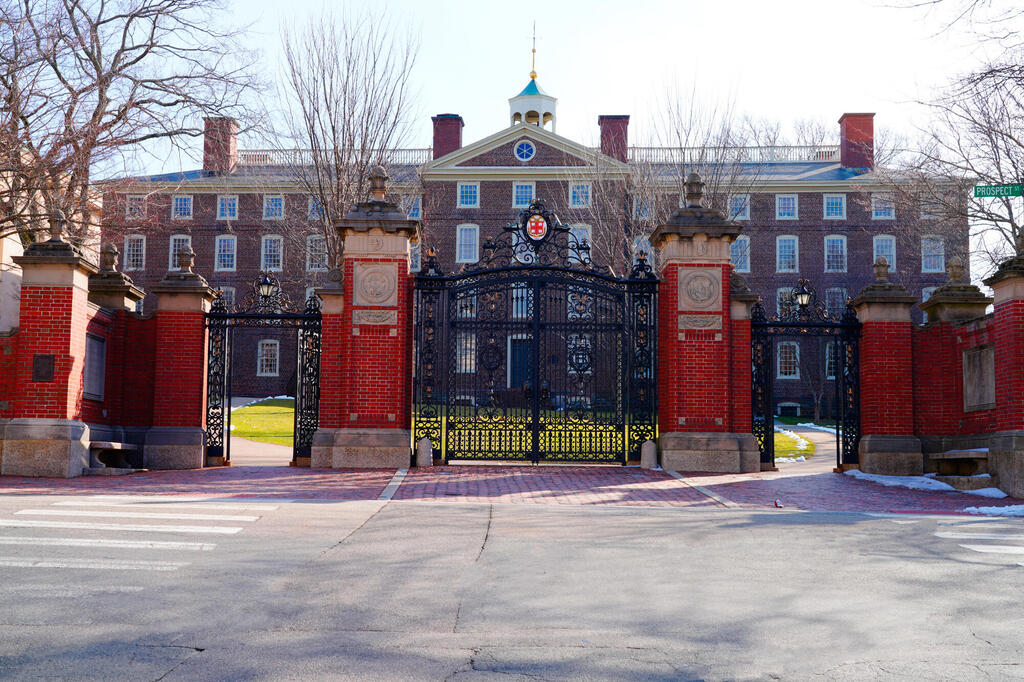
Brown University, located in Providence, Rhode Island, is among the most prestigious universities in the United States and one of the nine Ivy League institutions. It is also among the country's most selective universities, with an acceptance rate of around 5.5%.
But even an institution with Brown's academic reputation has struggled with the misuse of AI tools by students, as Serrano discovered last semester.
In December, a shooting took place at Brown in which two students were killed and nine others were wounded. Following the tragedy, Serrano decided that students in his course, "Welfare Economics and Social Choice Theory," would take both their midterm and final exams remotely rather than in a classroom setting.
The early signs were unusual. The course typically attracts no more than 30 students, and in some years enrollment is in the single digits. This year, however, 86 students registered.
The midterm exam took place on March 5, producing results that immediately raised questions. The class average was 96, with 40 students receiving a perfect score of 100. In previous semesters, the average grade had ranged between 65 and 80.
"And this exam was harder than the exams I wrote in the past, because … take-home is an opportunity to challenge the class a little bit more, given that you’re giving the students unlimited time," Serrano told Inside Higher Ed.
The results appeared too good to be true. Serrano and his teaching assistants entered the exam questions into ChatGPT and found that the chatbot generated answers remarkably similar to those submitted by students.
Following that discovery, Serrano decided to return the final exam to the traditional format of an in-class test.
The reaction from students was immediate. Eighteen students dropped the course, while nine others did not show up for the final exam.
When the results arrived, Serrano concluded that his concerns had been justified. Three students received a score of zero, and the class average fell to an all-time low for the course: 48.6. Only a small number of students achieved grades comparable to those on the midterm.
Serrano later invalidated the take-home exam results and decided that the final exam would account for 80% of the final grade. He also lowered the passing threshold from 50 to 40.
Despite the adjustment, 19 students failed the course.



