










Researchers train AI to predict heart failure up to five years in advance
Using standard Holter ECG recordings, the Technion-led system identifies patients at elevated risk long before symptoms emerge.
Artificial intelligence may soon give physicians years of advance warning before one of the world's most common and deadly cardiovascular conditions develops.
Researchers at the Technion have developed an AI model capable of identifying patients at high risk of heart failure up to five years before the disease becomes clinically apparent. By analyzing routine heart monitoring data, the system detects subtle warning signs that are often invisible to clinicians, potentially allowing doctors to begin preventive treatment long before symptoms appear.
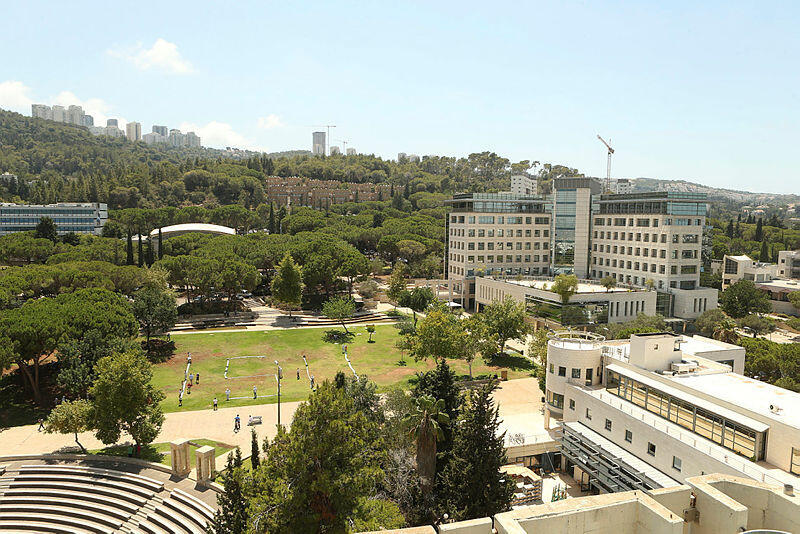
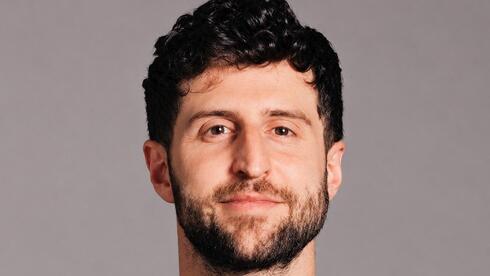
The research, published in npj Digital Medicine, was led by Prof. Joachim Behar and Ph.D. student Eran Zvuloni from the Technion's Faculty of Biomedical Engineering in collaboration with researchers and physicians from Rambam Health Care Campus, Shaare Zedek Medical Center, the Hebrew University of Jerusalem and Leumit Health Services.
Heart failure affects an estimated 64 million people worldwide and is particularly prevalent among older adults. Approximately 12% of people over the age of 65 in developed countries suffer from the condition, which can severely reduce quality of life through fatigue, shortness of breath, edema and exercise intolerance, and may ultimately prove fatal. Because treatments are generally more effective when started early, researchers have increasingly focused on methods that can identify patients before irreversible damage occurs.
The new model, known as DeepHHF, was trained using approximately 70,000 Holter electrocardiogram (ECG) examinations conducted by Leumit Health Services. Unlike traditional diagnostic approaches that rely on visible clinical abnormalities, the AI analyzes raw data from standard 24-hour ambulatory Holter ECG recordings collected during routine home monitoring.
According to the researchers, the system identifies subtle electrical patterns in heart activity that are imperceptible to the human eye but signal an elevated future risk of heart failure. Those warning signs can emerge several years before patients develop clinical symptoms.
"To the best of our knowledge, no existing model can predict the risk of heart failure up to five years in advance using raw Holter ECG recordings," said Prof. Joachim Behar, the study's senior author. "By relying on standard, non-invasive diagnostic tools, our model provides clinically valuable information that enables early identification of high-risk patients and timely preventive interventions, with the potential to reduce hospitalizations, suffering, and mortality."
Because the system relies on a widely available and non-invasive diagnostic test already used in routine clinical practice, the researchers suggest it could be integrated into existing healthcare workflows without requiring new or specialized equipment.
The study brought together researchers and clinicians from several Israeli medical and academic institutions. Alongside Behar and Zvuloni, the research team included Dr. Ronit Almog from the Technion and Rambam Health Care Campus, Michael Glikson from Shaare Zedek Medical Center, Shany Brimer Biton from the Technion, Dr. Ilan Green and Izhar Laufer from Leumit Health Services, and Offer Amir from Hadassah Medical Center.



