










Israel’s top election official asks Shin Bet to probe suspected Qatari interference
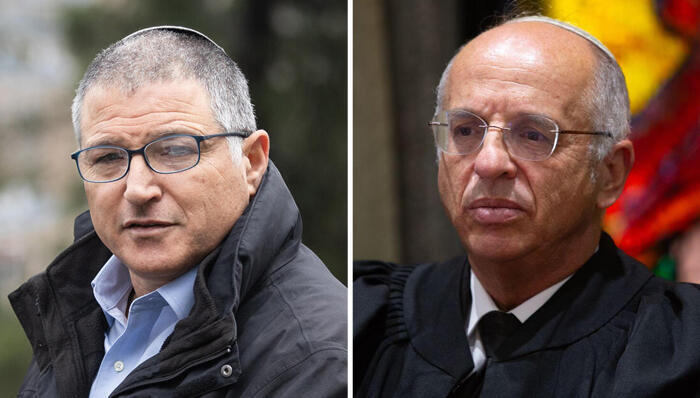
Supreme Court Deputy Chief Justice Noam Sohlberg has asked the domestic security agency to investigate allegations of foreign funding and election bribery. The request comes as police reject claims of widespread fraud made by Netanyahu’s Likud party against Arab political parties.
Israel’s election authorities are facing competing claims about the integrity of Tuesday’s parliamentary vote. The head of the Central Elections Committee has asked the Shin Bet to investigate suspected foreign interference, allegedly by Qatar, while police say they have found no evidence to support claims of widespread electoral fraud made by Prime Minister Benjamin Netanyahu’s Likud party against Arab political parties.
The two disputes have not been shown to be connected. Supreme Court Deputy Chief Justice Noam Sohlberg, who heads the Central Elections Committee, did not identify the foreign actors allegedly involved in the suspected interference or link his concerns to Likud’s accusations.
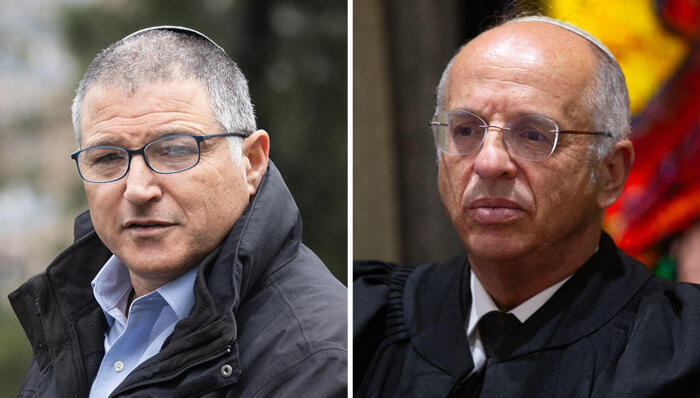
In an unusual letter sent Thursday to Shin Bet Director David Zini, Sohlberg asked the domestic security agency to determine whether foreign entities had attempted to influence the election through improper funding or bribery. He requested any findings within a week, citing the legal deadlines for challenging the results.
“The integrity of elections is the heart of democracy. Take integrity away from democracy, and you deprive it of its vitality,” Sohlberg wrote.
He acknowledged that he could not independently verify the allegations, but argued that their potential implications justified an investigation. He asked Zini to use the agency’s investigative powers to uncover evidence that could either substantiate or disprove the suspicions.
The request comes as Likud seeks an investigation into what it describes as widespread criminal activity at polling stations in Arab communities. The party says it submitted 1,183 complaints to the Central Elections Committee, alleging incidents including bribery, threats, violence, double voting and the use of prohibited voter-mobilization software.
Police have disputed the broader allegations. They say election-integrity incidents fell by nearly 40% compared with the previous election and that they have found no investigative or intelligence evidence of widespread fraud.
Sagi Keizler, Likud’s election integrity director for the Arab sector, said the party submitted 1,183 complaints on election day, including descriptions of incidents and contact details for polling station officials who could corroborate them.
Keizler cited 38 suspected cases of bribery, 25 allegations of improper police intervention, 66 reports of violence or threats, 115 suspected instances of double voting and 408 complaints involving the extraction of voter information. Those categories account for 652 complaints, leaving 531 without a breakdown in the figures he provided.
Keizler accused police and election authorities of failing to contact witnesses identified by the party. Police, however, have said their assessment does not support claims of widespread electoral fraud.
One specific investigation concerns three men arrested in southern Israel on the eve of the election on suspicion of attempting to bribe voters to support Ra’am.
Police said searches of their homes uncovered envelopes containing tens of thousands of shekels, ballot slips and other material suspected of being connected to election offenses. Some envelopes reportedly bore the party’s logo.
The suspects denied wrongdoing. Their lawyers offered alternative explanations for the money, including transportation expenses and charitable donations for needy families. The doctor among the suspects was released by a court despite police objections, while the detention of the other two men was extended by five days.
Police have since said the investigation remains open but that investigators have not uncovered significant evidence of wrongdoing and expect the case to be closed.
Ra’am has rejected the allegations, calling the arrests politically motivated and accusing authorities of trying to suppress Arab turnout. It has also alleged that its ballot slips were removed or damaged at polling stations. Police have not alleged that Ra’am’s leadership was involved in the suspected bribery scheme.
The case concerns specific allegations and does not, on the information provided, substantiate Likud’s broader claims of coordinated fraud.
The political stakes
The dispute is unfolding after an inconclusive election in which increased Arab voter participation helped strengthen the representation of predominantly Arab parties. Preliminary results projected the Joint List would win 11 seats and Ra’am eight, giving the two parties a combined 19 seats in the 120-member Knesset.
Neither Netanyahu’s right-wing and religious bloc nor the rival bloc led by former military chief Gadi Eisenkot secured a clear majority. Arab lawmakers could therefore play a decisive role in determining which side can form a government, whether through a formal coalition agreement or outside parliamentary support.
Netanyahu and his allies have repeatedly rejected such arrangements, portraying reliance on Arab parties as a threat to national security and political stability.
Ra’am has pursued a pragmatic approach to parliamentary politics under Abbas, seeking agreements with Jewish-led parties in return for commitments to address issues affecting Arab communities. In 2021, it became the first independent Arab party to formally join a governing coalition, entering the government led by Naftali Bennett and Yair Lapid.
The Joint List is a separate alliance of Arab political factions with a different approach to participation in Israeli politics.
Shin Bet chief had praised election safeguards
The request for an investigation follows public assurances from Zini, who visited the Central Elections Committee’s command center on Tuesday.
“Elections in Israel are secure, properly conducted and supervised in an inspiring manner,” he said, while acknowledging that some actors try to undermine the process.
Sohlberg’s letter now asks the Shin Bet to determine whether the separate allegations of foreign interference can be supported by evidence. It does not establish that foreign interference occurred, just as the allegations made by Likud do not establish widespread electoral fraud.
With the deadline for election appeals approaching, the agency has been asked to report any findings within a week. The outcome could determine whether the suspicions warrant further action, but the allegations remain unresolved.



