









Decart founders stand to share more than $3 billion in $7.5 billion Amazon deal
Dean and Orian Leitersdorf and Moshe Shalev own an estimated 40%-45% of the Israeli AI startup. Sequoia, its largest outside shareholder, stands to make approximately $1.1 billion, while employees could collectively receive up to the same amount.
The $7.5 billion Amazon transaction involving Israeli AI startup Decart is shaping up as a major payday not only for its three founders, but also for a group of early investors who backed the company before it became one of the most sought-after businesses in Israel's artificial intelligence industry.
The biggest winners are expected to be the founders, brothers Dean and Orian Leitersdorf and their partner Moshe Shalev. Together, they are estimated to own between 40% and 45% of Decart, a stake that would be worth more than $3 billion at the reported transaction value. That translates into roughly $1 billion for each founder, although the precise division of ownership among them is not known.
The deal also illustrates the potential returns available to investors who entered the company at an early stage. Sequoia Capital, which led Decart's seed round, is estimated to hold approximately 15% of the company. At a $7.5 billion valuation, its stake would be worth around $1.1 billion, making it the largest outside shareholder.
1 View gallery
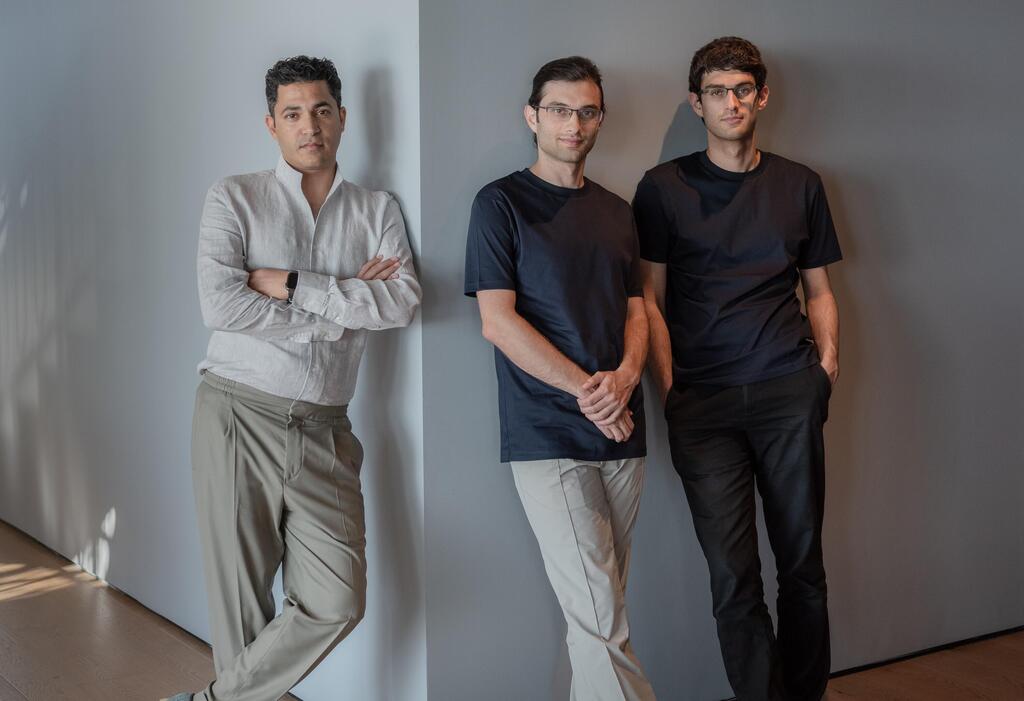
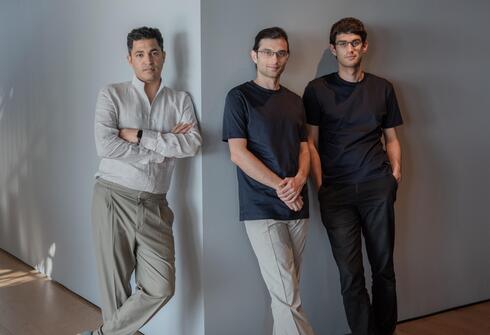
Decart founders Orian Leitersdorf (from right), Dean Leitersdorf and Moshe Shalev.
(Amit Elkayam)
Another early backer, Oren Zeev's Zeev Ventures, is estimated to own around 5%, representing approximately $375 million. Benchmark, which led Decart's Series A round, is also believed to hold approximately 5%. Radical Ventures and Nvidia are each estimated to own around 2%, or roughly $150 million apiece.
The reported transaction value of $7.5 billion has not been confirmed by Amazon, which announced an agreement to acquire the proprietary technology behind Decart's Optimization Stack and bring the company's founders and AI researchers and engineers into its operations. The consideration is reportedly structured through a combination of cash and Amazon shares, with payments spread over several installments and tied in part to targets over five years. The founders have committed to remaining with Amazon for that period, with a substantial portion of their compensation deferred.
From a $4 billion valuation to a reported $7.5 billion deal
Decart was founded in 2023 by Dean Leitersdorf, his younger brother Orian, and Moshe Shalev. Dean is the company's CEO, Shalev its chief product officer, and Orian its chief scientist.
The brothers have attracted attention for their academic achievements: Orian completed his doctorate at the Technion at the age of 22, becoming the youngest student in the institution's history to do so. His older brother had previously held that distinction.
The company's growth has been rapid. In May, Decart raised $300 million at a valuation of approximately $4 billion, bringing its total funding to more than $400 million.
The Amazon transaction would therefore represent a substantial increase in the company's valuation in just six months. It would also produce an unusual outcome for a relatively young startup: despite raising hundreds of millions of dollars, the founders have retained a combined ownership stake of as much as 45%.
The company's initial focus was on generative video and interactive environments. Its products included Lucy, a real-time video generation and editing platform, and Oasis, an AI model capable of generating interactive simulated worlds. Decart subsequently shifted toward AI infrastructure, developing technology designed to make artificial intelligence models run more efficiently across different hardware platforms.
That transition helped bring the company closer to Amazon, which has been investing heavily in its own AI chips as it seeks to compete with Nvidia. Decart's Optimization Stack is designed to improve the performance of AI workloads, making it possible to extract more computing power from existing hardware and reduce the cost of training and running models.



