










Palo Alto, CrowdStrike and Fortinet hit records as Wall Street’s AI fears fade
U.S. software stocks are reaching fresh 2026 highs as earnings expectations climb and analysts say the feared “SaaSpocalypse” has yet to materialize.
U.S. software stocks are reaching fresh 2026 highs, supported by a sharp rise in earnings expectations that several analysts say suggests fears of AI-driven disruption to the sector were largely overstated.
The S&P 500 software and services index rose 1.3% on Tuesday to its highest level since November 2025, after posting its biggest quarterly gain between July and September since the second quarter of 2020.
Strong earnings from software companies including Salesforce, ServiceNow and Accenture, along with partnerships with AI labs, have helped fuel a recovery that has been underway since late June.

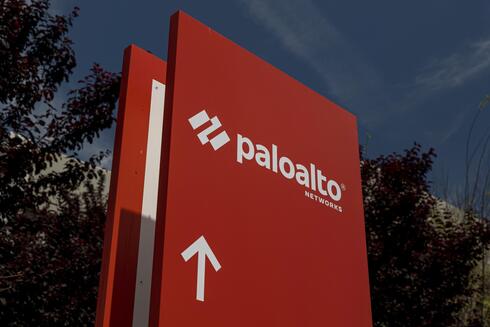
Cybersecurity stocks have been particularly strong. Palo Alto Networks, CrowdStrike and Fortinet are all currently trading at all-time highs, with Palo Alto Networks closing on a market capitalization of roughly $340 billion. All three have also posted triple-digit percentage gains this year as companies continue to spend heavily on cybersecurity amid the rapid adoption of AI.
The performance of the cybersecurity companies offers a striking counterpoint to fears that AI would quickly undermine established software businesses. Rather than seeing demand for software collapse, investors have watched some of the sector’s biggest companies reach record valuations.
“AI has been more of an enabler for a lot of these software companies, more than a disruptor,” said Adam Turnquist, chief cross-asset strategist at LPL Financial.
“We're seeing more of a trend change now where software has recaptured the leadership reins, and we think there's a window here for outperformance in software over semiconductors.”
The software index is up 5% this year, compared with an 87.5% surge in the Philadelphia SE Semiconductor Index, which includes many of the largest U.S. chipmakers. The semiconductor index, however, has fallen significantly from its highs.
Meanwhile, expectations for software companies’ earnings have improved sharply. The sector’s expected annual earnings growth rate for 2026 has risen to 20.6%, up from 13.8% at the end of March, according to LSEG data.
The software index fell more than 26% from late January to its April low in a selloff dubbed the “SaaSpocalypse.” Investors feared that companies could use AI to build software applications internally at much lower cost, potentially undermining the business models of established software vendors.
Analysts now say those concerns ran ahead of the evidence.
“The whole SaaSpocalypse didn't happen anywhere near as fast as some of the people on Wall Street thought it would,” said Rebecca Wettemann, CEO of technology research firm Valoir. She said software vendors were reporting customer uptake as AI adoption moved beyond the experimental stage.
The rebound does not mean the sector is out of danger. AI is evolving rapidly and continues to threaten existing software business models, even as it creates new opportunities for established vendors.
Brian Mulberry, chief market strategist at Zacks Investment Management, said the more significant test for software stocks could come in the second half of 2027, when additional data center capacity could make AI-assisted coding a greater threat to traditional software companies.



