










Big Tech promised jobs. AI data centers are delivering power bills instead
States and cities that once competed to attract Amazon, Microsoft and Alphabet are increasingly questioning whether data centers generate enough economic benefits to justify their environmental and infrastructure costs.
The value of companies in the AI sector is breaking records, but in the United States, concerns are growing that the enormous profits generated by the technology will remain concentrated in the hands of a small number of companies and entrepreneurs, while the broader public is left to bear some of the environmental and economic costs, from soaring energy consumption to potential job losses.
These concerns have made AI policy one of the emerging issues in American politics, particularly ahead of the midterm elections in November. Across the United States, states and local communities have begun taking steps to ensure that the wealth generated by AI reaches a broader share of the population, The New York Times reported.
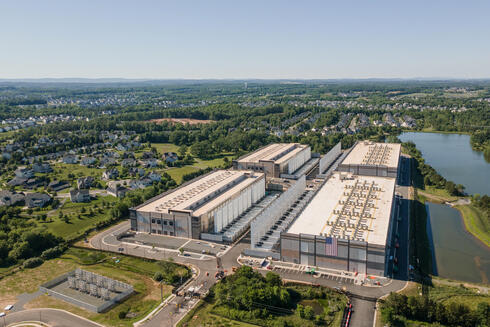
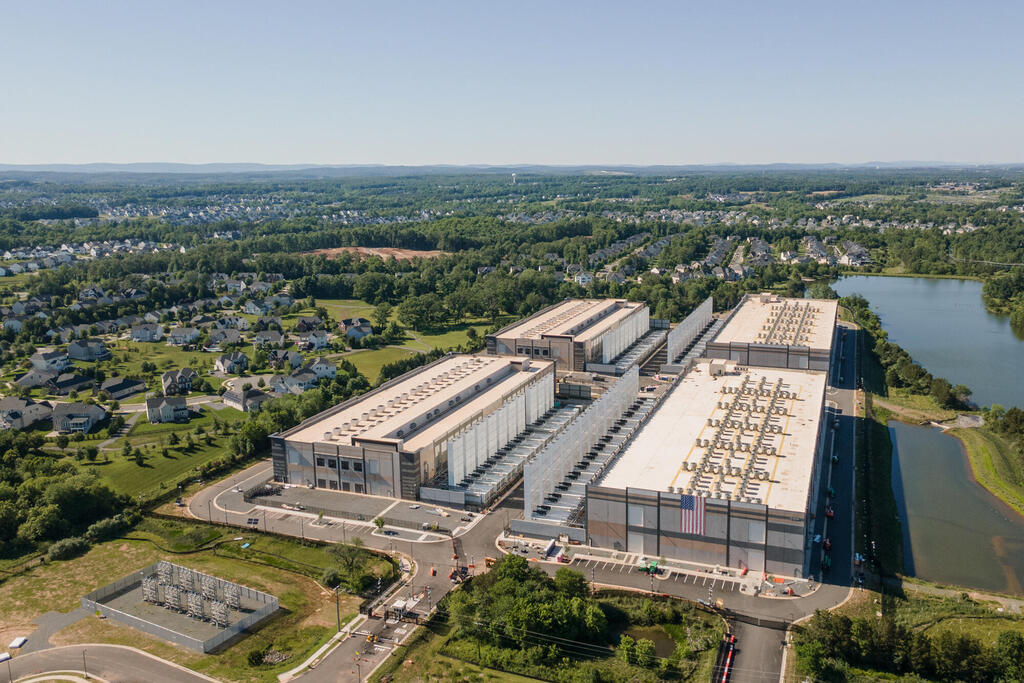
The most prominent example is Virginia. The state, which has transformed large areas of open land into data center hubs, made a landmark decision in late June, becoming the first state to impose a direct tax on data centers based on their electricity consumption. For technology giants such as Amazon and Microsoft, which operate massive data center complexes, the tax is relatively small compared with their expected future profits. For state coffers, however, it could generate as much as $600 million in additional revenue over the coming year.
“How do we let the richest companies in human history come here and not play by the same rules as everyone else?” said Democratic state Senator Louise Lucas, who sponsored the legislation. She argued that the rapid expansion of AI and the industry's enormous energy requirements are placing a heavy burden on local infrastructure, and that the industry should help shoulder those costs while ensuring that the public shares in the benefits of its growth.
Virginia is a pioneer, but it is far from alone. According to a report by Aterio, the number of data centers under construction in the United States has jumped from about 100 in early 2021 to nearly 1,000 this year. As the industry's footprint has expanded, more states and communities have begun taking steps to protect local residents and reassess the economic benefits of hosting the facilities.
Nebraska and Ohio have scaled back generous tax incentives for technology companies. In New York, Governor Kathy Hochul has proposed a temporary ban on new data center construction next year and pledged to reconsider the state's tax policy toward the industry. Arizona has followed with a similar moratorium, giving authorities time to examine the environmental and fiscal implications. New Jersey has passed legislation that would impose quotas and special electricity rates on large power consumers, including data centers.
Nebraska, like Virginia, had previously used tax incentives to attract companies such as Alphabet, which built data centers on large areas of open land. But surging demand for computing infrastructure prompted Republican Governor Jim Pillen to sign an order in July freezing tax breaks for the industry, arguing that market conditions had changed significantly.
“We don’t need Nebraskans to pay,” Pillen said. “The tech giants need to pay.”
The trend extends beyond state governments. Over the past two years, about 120 communities across the United States have considered or adopted various restrictions or bans on data center construction, according to a monitoring tool developed at the University of Virginia.
For years, states and cities courted technology giants such as Amazon, Meta, Alphabet and Microsoft with tax incentives and other benefits, expecting them to generate economic prosperity through new jobs and higher tax revenues. But those expectations have not always been met.
AI-focused data centers require relatively few workers while consuming enormous amounts of electricity and, in some cases, water. That has led some policymakers to question whether the economic benefits justify the infrastructure and environmental costs.
“What’s the return on investment, if you don’t add jobs?” Hochul asked last month.
At the national level, one of the most radical proposals has come from Senator Bernie Sanders, who has proposed that the government acquire a 50% stake in major AI companies through a one-time tax paid in shares and transfer those shares to a new sovereign wealth fund.
“AI and robotics are among the most transformative technologies in human history,” Sanders told The New York Times. “They have a huge impact on our economy and the potential to eliminate millions of jobs.”
Under Sanders' proposal, which is unlikely to become reality in the near term, the fund could eventually be worth $7 trillion, allowing the government to distribute more than $1,000 to every American.
Meanwhile, the Financial Times reported last month that the Trump administration is exploring ways to share the benefits of the AI boom more broadly with the public, including discussions with OpenAI about transferring a 5% stake in the company to the government.
The idea has already drawn criticism from industry experts. They argue that government ownership of AI companies could ultimately benefit the companies themselves rather than the people affected by the technology. They also warn that the government could become less willing to impose regulations that threaten the profitability of companies in which it holds a stake.
“The possibilities for exploitation are so vast that everyone should feel uncomfortable about it,” said Ben Harris, vice president at the Brookings Institution.
Meanwhile, some countries appear to have found a way to turn the surge in AI demand into a broader source of economic growth.
Malaysia reported annual economic growth of 6% in the second quarter, driven in part by a 7.5% expansion in manufacturing, much of it linked to semiconductor production, and 6.6% growth in construction, supported by the country's rapid development of data centers.
“Malaysia is the best example of how to exploit opportunities from diversifying the AI supply chain,” Robert Walker, a research fellow at the Lowy Institute, told the Financial Times. “Malaysia is reaping the dividends of this strategy.”
The contrasting approaches point to a broader question that is increasingly moving from the technology industry into the political mainstream: Who ultimately captures the economic gains from the AI revolution, the companies building the models and data centers, the governments providing the infrastructure, or the public that bears many of the costs?



