










Why Israel slammed the brakes on new AI infrastructure
Officials say the electricity grid cannot absorb another wave of data centers without risking future supply for the wider economy.
Whether the Electricity Authority was right to freeze the processing of new data center connection applications for roughly four and a half months is open to debate. It is also possible to sympathize with industry entrepreneurs, who argue that the decision undermines the regulatory certainty they need to make long-term investments. Yet one conclusion is difficult to escape: demand for electricity to power AI infrastructure has exploded.
In just two months, Noga, the company that manages Israel's electricity system, received applications for an additional 19 gigawatts of grid capacity. Combined with existing requests, the backlog has reached approximately 27 gigawatts, almost three times Israel's current average electricity demand. In practical terms, meeting that level of demand would require the equivalent of around 30 large power plants.
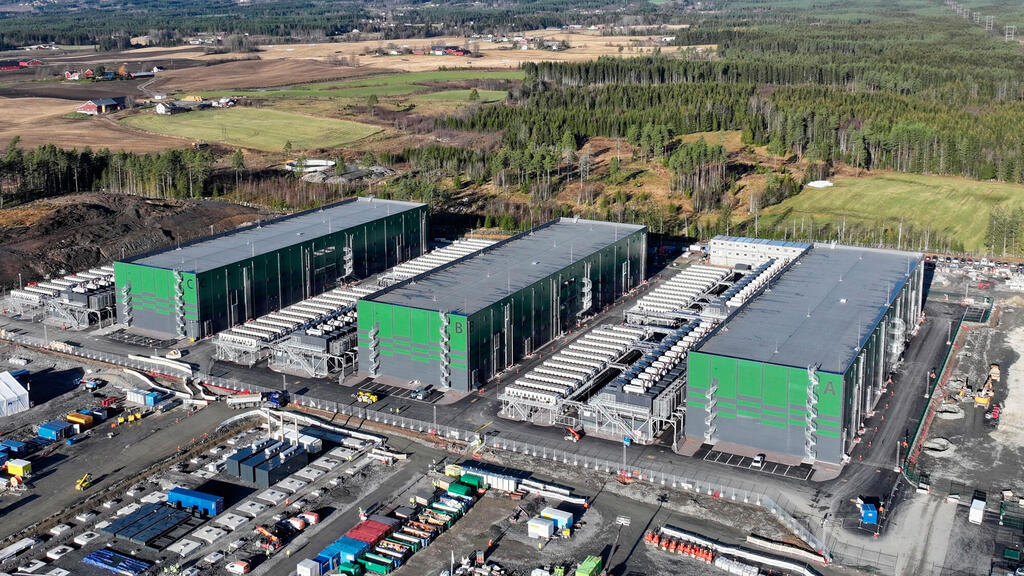
Until recently, discussions about data centers focused largely on land availability, planning approvals, and incentives to attract investment. But the real bottleneck lies elsewhere: the capacity of Israel's electricity system. The issue is not that the country currently lacks electricity, but that future demand is growing far faster than the pace at which power plants, transmission lines, and other critical infrastructure can be built.
From the perspective of the Electricity Authority, it is no longer possible to continue handing out grid connection commitments when requests so dramatically exceed the country's planned generation and transmission capacity. Documents published by the Authority following its decision state that the commitments already issued effectively exhaust the electricity system's planned production capacity through 2035. Granting additional commitments, it argues, could come at the expense of the reserve capacity needed to support the broader economy's future growth.
Data center developers see the situation differently. They argue that freezing the processing of applications sends a troubling signal to investors at precisely the moment Israel is trying to establish itself as a destination for AI infrastructure. Several entrepreneurs told Calcalist that they would have preferred an outright rejection to a prolonged period of uncertainty that leaves projects in limbo.
The Electricity Authority says it has studied how jurisdictions including Singapore, Ireland, and several U.S. states are responding to the same challenge: AI-driven demand for electricity is rising much faster than energy infrastructure can keep pace. In the coming months, working groups from the Electricity Authority, Noga, and the Ministry of Energy are expected to formulate new rules designed to balance surging demand with the physical limitations of the grid.
Those measures are likely to include attaching a meaningful financial commitment to every place reserved in the connection queue, making it more expensive to submit speculative applications. According to the Authority and Noga, some developers currently seeking grid capacity have little realistic prospect of ever building a data center. Yet by reserving capacity, they occupy space on an already congested grid, potentially crowding out projects backed by companies with genuine plans to invest.



