











Israel Aerospace Industries is turning battlefield experience into AI-powered weapons
The state-owned defense contractor says it is using lessons from combat to develop new capabilities while bringing AI into its factories to increase production and shorten delivery times.
Israel Aerospace Industries is looking to turn lessons from combat into new defense technologies while bringing artificial intelligence into its development and manufacturing operations, as the company races to meet growing demand for air defense systems and other military equipment.
The state-owned defense contractor says it is increasing production rates, expanding its engineering and operational capabilities, and investing in infrastructure to keep pace with orders from Israel and overseas customers. Its order backlog reached a record $35.6 billion at the end of September, equivalent to approximately 4.8 years of activity at its current sales rate.
"IAI's unique advantage is reflected, among other things, in its ability to draw insights from real-time operational experience and rapidly translate them into advanced capabilities that address both current and future threats," said chairman Boaz Levy.
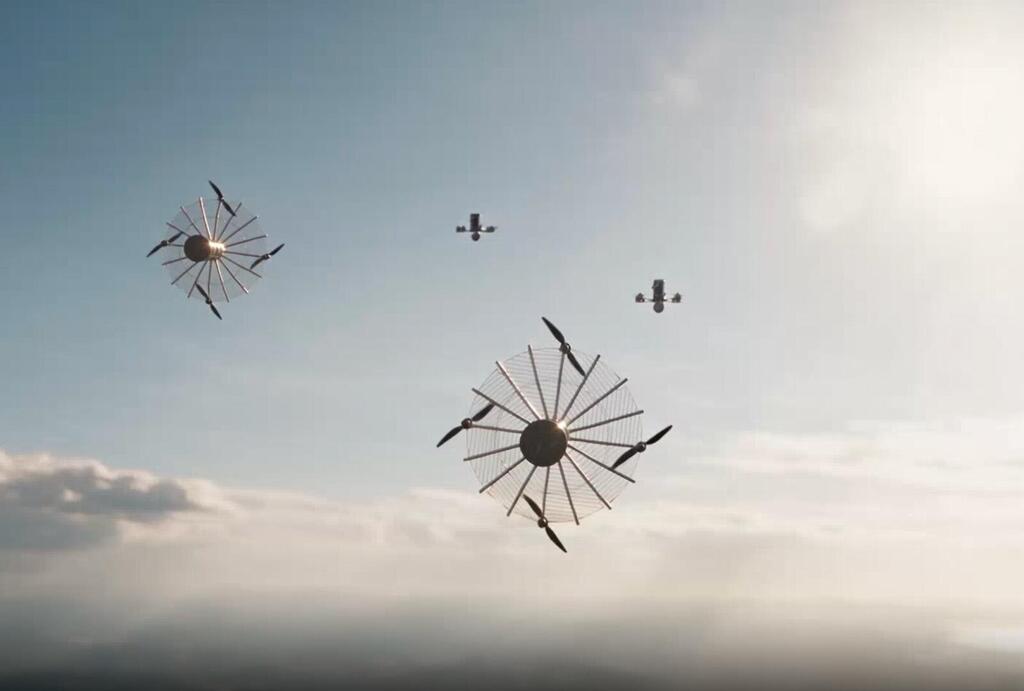
The company is also making AI a central part of that effort. Levy described artificial intelligence as a strategic growth engine and a key element in shaping the future battlefield. CEO Guy Bar Lev said IAI was expanding the use of AI in its development and production processes to improve efficiency, increase output and shorten delivery times.
"We are working around the clock to meet our commitments to customers in Israel and worldwide by increasing production rates, expanding our engineering and operational capabilities, and investing in infrastructure and resources that will enable us to support the growing scale of our operations," Bar Lev said.
"At the same time, we are expanding the integration of artificial intelligence into our development and production processes in order to streamline processes, increase output, shorten lead times and improve our ability to respond to our customers' operational and business needs," he added.
Last week, IAI announced the establishment of a new AI and Digital Directorate, headed by an executive vice president who will report directly to Bar Lev. The unit will oversee the company's AI and digital strategy, promote the use of AI tools across its operations, and help expand its engineering and production capabilities.
IAI's push comes as the company develops systems that reflect the growing importance of electronic warfare, intelligence gathering and layered air defense. Among them is ELLYON, a new multi-mission aircraft concept combining intelligence, surveillance and reconnaissance capabilities with electronic attack. The platform is designed to gather intelligence while disrupting enemy radar and communications, using sensors, signals intelligence and AI-based mission management.
Another system, HYPNOSIS, is designed to disrupt and spoof satellite navigation signals used by drones and other aerial threats. Rather than physically intercepting a drone, the mobile system aims to interfere with its ability to navigate, providing a non-kinetic layer of defense that can complement conventional interceptors.
The company is also continuing to develop its Arrow missile defense systems, which form the upper tier of Israel's multi-layered air defense architecture and are designed to intercept ballistic missiles, including threats outside the atmosphere. IAI has said that artificial intelligence and automated manufacturing are among the elements being incorporated into its development and production efforts.
The scale of the demand is reflected in the company's latest results. IAI's sales in the first nine months of 2026 rose 28% to $6.56 billion, while net income increased 37% to $663 million. Operating profit climbed 54% to $751 million, and EBITDA rose 40% to approximately $1.01 billion.
The main source of growth was the company's military business, particularly its Systems, Missiles and Space activities. Sales by the military divisions rose 28% to $5.76 billion during the period, while aviation sales increased to $1.3 billion. Exports accounted for 65% of total sales, and 72% of the company's order backlog is designated for overseas customers.
IAI's research and development spending also increased, reaching $239 million in the first nine months, compared with $208 million in the same period last year.
The company ended September with $4.5 billion in cash and liquid assets and reported $882 million in positive operating cash flow for the first nine months. It also disclosed that the Israeli Ministry of Defense owed it billions of shekels as of September 30, and called on the Defense and Finance ministries to reach an urgent arrangement for repayment.
Levy also said IAI was continuing to prepare for an initial public offering, describing it as a strategic milestone that would give the Israeli public an opportunity to participate in the company's success.



