










Why Pakistan needs a U.S.-Iran deal more than most
Energy dependence, IMF pressures, and Gulf ties make de-escalation a financial necessity for Islamabad.
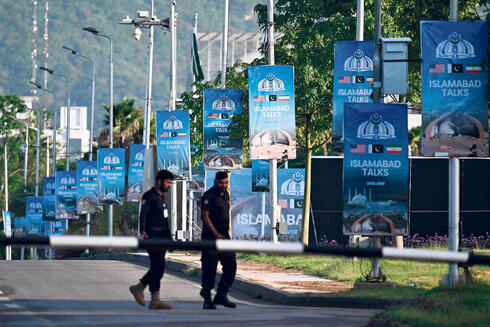
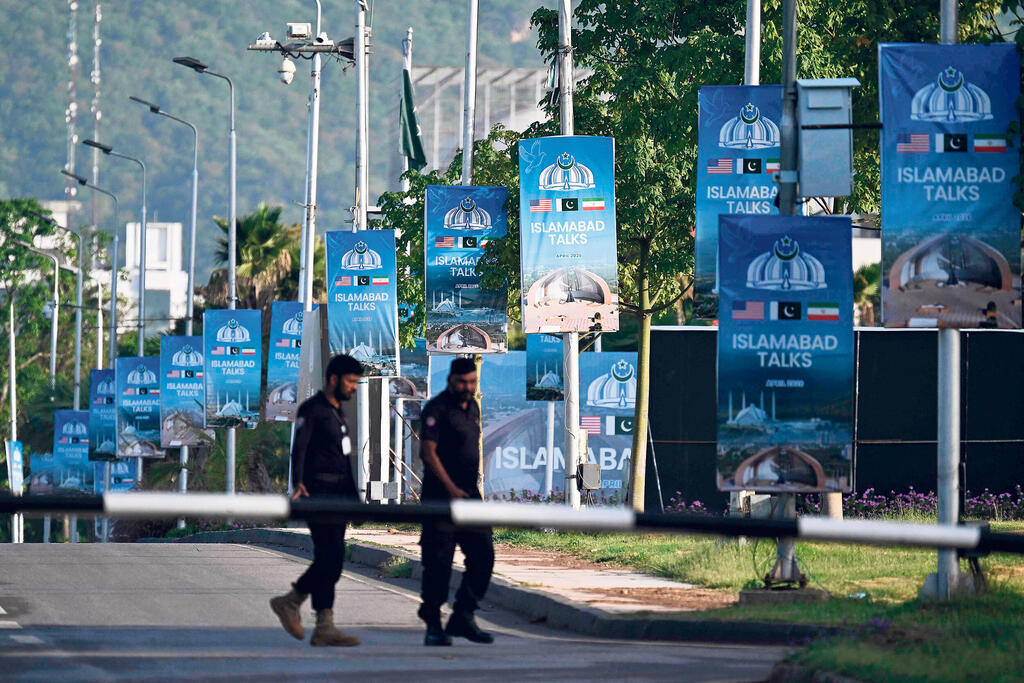
The mediation efforts currently underway in Pakistan between the United States and Iran, which have drawn global attention, are not purely diplomatic; they are also driven by clear economic logic.
Pakistan is an energy importer that depends heavily on its ties with the Gulf states and is still operating under an IMF bailout program. In such a situation, any reduction in the risk of escalation in the Gulf could ease pressure on energy prices, the foreign exchange market, inflation, and external financing conditions. That is why, even after the latest attempt to hold direct talks in Islamabad failed, Pakistan continues to try to bridge the gaps.
The macroeconomic backdrop explains Islamabad’s strong interest in the success of the mediation. According to IMF forecasts, Pakistan’s GDP, serving a population of about 245 million, is expected to reach approximately $408 billion this year, with growth of 3.6% and average inflation of 7.2%. However, Pakistan entered the mediation effort while relying on a $7 billion IMF program, and its central bank has set a target of increasing foreign exchange reserves to around $18 billion by the end of June, up from about $15 billion today. This is a large economy with significant potential, but one that remains highly sensitive to external shocks.
That sensitivity is particularly evident in the energy sector. According to official data, oil accounted for 16.64% of the country’s imports in the first quarter of the 2025/26 fiscal year. This means that any increase in oil prices or disruption to shipping directly affects inflation and the currency. For a government attempting to stabilize prices and restore economic confidence, volatility in the regional energy market becomes an immediate challenge.
In the liquefied natural gas (LNG) sector, Pakistan is also highly dependent on the Gulf, particularly Qatar, with which it has signed long-term contracts. The current war has highlighted this vulnerability. Last week, Pakistan reportedly issued its first spot LNG tender since December 2023 after disruptions in the Gulf affected cargo flows. At the same time, the country’s electricity shortage reportedly doubled to 3,400 megawatts, with parts of northern Pakistan experiencing power outages lasting up to seven hours a day.
Mediation also carries another economic benefit: strengthening ties with Gulf countries. Remittances from approximately 5 million Pakistani workers in the region are a crucial component of Pakistan’s external balance, totaling about $38 billion last year, mainly from Saudi Arabia and the United Arab Emirates. Stability in the Gulf is essential to sustaining demand for Pakistani labor and maintaining one of the country’s most important sources of foreign currency.
In addition, Gulf financing plays a critical role. Pakistan maintains particularly close ties with Saudi Arabia, which this month pledged an additional $3 billion in financial support, just as Islamabad faced a $3.5 billion repayment obligation to the UAE. Acting as a responsible regional broker could strengthen Pakistan’s economic and political standing with Gulf states. The potential return is not necessarily immediate, but rather a more favorable environment for discussions on credit, investment, financial support, and the rollover of obligations.
Qatar has already publicly backed Pakistan’s mediation efforts. The Emir of Qatar expressed support for the initiative, which carries dual importance for Islamabad: strengthening ties with a key energy supplier and improving its position with one of the region’s major financial players. These benefits are not measured only in immediate agreements or capital flows, but also in improved leverage in future negotiations on energy, investment, and credit.
The potential economic upside extends beyond the Gulf. If mediation helps stabilize relations between Iran and the United States, Pakistan could benefit directly. Currently, bilateral trade between Pakistan and Iran is estimated at around $3 billion annually, but both countries have set a target of increasing it to $10 billion. Plans include establishing six trade centers along the border and building a transmission line that would supply an additional 100 megawatts of electricity from Iran to Pakistan’s Balochistan province.
At present, however, trade remains constrained. The Pakistani Ministry of Commerce acknowledges that, due to the lack of formal banking channels with Iran, some transactions still take place through barter. This underscores the extent to which economic potential exists, but remains limited by sanctions and financial infrastructure constraints.
Ultimately, Pakistan has a clear interest in preventing tensions between Washington and Tehran from escalating into a prolonged conflict. Successful mediation could reduce the risk of further shocks to oil and gas prices, ease pressure on the electricity sector, stabilize relations with Gulf states, and open a broader economic horizon with Iran. In this sense, Pakistan’s diplomatic efforts are not only about geopolitical positioning, but also about addressing a pressing economic need.



