










Ceasefire or pause? Israel braces for repeated clashes with Iran
Defense establishment warns future confrontations could drain tens of billions more.
Israel’s defense establishment estimates that by the end of the year, assuming no further escalation, it will require an additional 34 billion shekels (approximately $10.9 billion) to finance its operational needs and procurement plans.
The Second Iran War is already the most expensive conflict in Israel’s history. Rough estimates put the military cost of roughly 40 days of fighting at 50-60 billion shekels ($16-19.2 billion). According to defense officials, a single day of combat costs about 1 billion shekels ($320 million) on average, with the opening days reaching as much as 2-3 billion shekels ($640-960 million) per day.
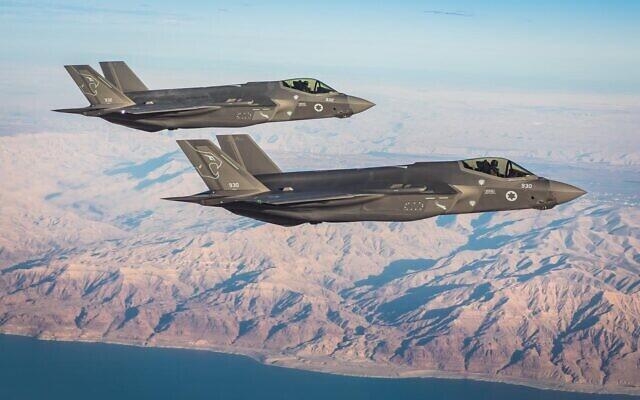
These vast sums reflect the scale of operations: hundreds of Air Force sorties, extensive use of precision munitions in strikes on Iran, and the high cost of air defense interceptors.
Yet despite the scale of Israel’s military, economic, and civilian effort, the war may end in a familiar pattern, similar to previous rounds of fighting in Gaza in the two decades before the October 7 attacks. Those conflicts often began with forceful declarations, only to conclude in uneasy stalemates, frequently punctuated by heavy final barrages on Israel’s civilian centers.
This time, however, the threat has escalated. Instead of rocket fire from Gaza, Iran launched ballistic missiles across Israel within minutes, from Eilat in the south to Tel Aviv and the Dan region, and as far north as Haifa and Kiryat Shmona.
Under current conditions, Israel may be entering a more volatile security reality than before the war. The potential collapse of understandings between the United States and Iran could constrain Israel’s future freedom of action, even as Iran has demonstrated its capacity to inflict significant damage.
Even if the conflict shifts back to a “campaign between wars” model, similar to Israel’s efforts over the past decade to disrupt Iranian entrenchment in Syria, both sides could face recurring cycles of confrontation resembling the repeated clashes with Hamas prior to October 2023.
Each such round could cost the Israeli economy tens of billions of shekels, further strain a defense budget that has already expanded sharply, and increase reliance on reserve forces amid a growing manpower shortage.
Defense officials say it is still too early to declare the conflict over. Some take cautious comfort in the fact that Donald Trump does not appear, for now, to be reducing the U.S. military presence in the Middle East.
Whether the current ceasefire marks the end of the campaign or merely a pause, the defense establishment argues that the current budget, 143 billion shekels ($45.7 billion), even after a recent increase of 30 billion shekels, remains insufficient.
According to internal estimates, the additional 34 billion shekels will be needed to cover ongoing operations in both Iran and Lebanon, reflecting concerns that the Iranian front could reignite in the near term.



