










Three years, $177 billion and no end to Israel’s defense buildup
The military has spent more than twice as much on defense as it did in the previous four years, but officials say the current war has depleted weapons stocks and created the need for a much larger long-term investment.
Three years of regional war have exacted a staggering human toll on Israel, alongside hundreds of billions of shekels spent on ongoing combat across eight fronts. The costs have been driven by the repeated, prolonged mobilization of tens of thousands of reservists, the procurement and production of munitions consumed faster than they could be manufactured, and the challenge of rehabilitating the tens of thousands of wounded from this seemingly endless war. And the meter keeps running.
None of the fronts that have shaped Israel’s security agenda since the outbreak of the October 7 war have been closed. Iran, along with its nuclear program and missile arsenal, is not going anywhere, and its proxies remain a constant presence: Hezbollah on the other side of the new security zone in southern Lebanon, and Hamas on the other side of the “Yellow Line,” along which the IDF has deployed forces deep inside the Gaza Strip. Meanwhile, far to the south, the Houthis in Yemen remain as unpredictable as ever.
For the 2023-2026 period, the Ministry of Defense budget is approaching approximately NIS 540 billion ($177 billion), more than double the figure for the preceding four years, when it stood at roughly NIS 238 billion ($78 billion). Yet, according to defense budget officials familiar with the plans, this massive sum is merely temporary.
Plans involving hundreds of billions of shekels more have already been drawn up, awaiting only approval and funding sources. These plans include replenishing munitions stockpiles depleted by the relentless “belts of fire” in Gaza, the bombing of Beirut’s Dahiyeh district, and strikes on missile launchers in Iran. Simply restoring inventory levels to where they stood before the war, based on a planning scenario of short conflicts, is no longer sufficient.
The military buildup envisioned by the IDF and the Ministry of Defense for the “Intensive Decade” beginning in 2027 focuses on accelerating domestic production of weapons and combat systems to reduce Israel’s reliance on imports. It also includes extensive development of new operational capabilities, an expanded Israeli presence in space, additional helicopter and aircraft squadrons for the Air Force, and the establishment of a new IDF branch to operate unmanned systems and robots.
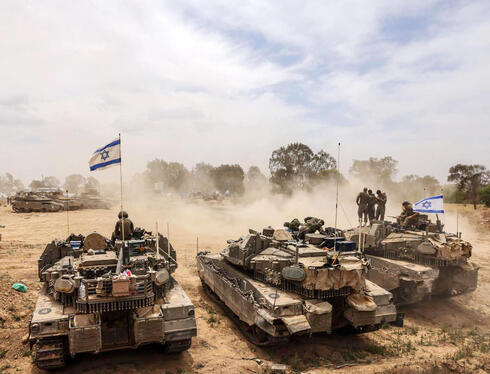
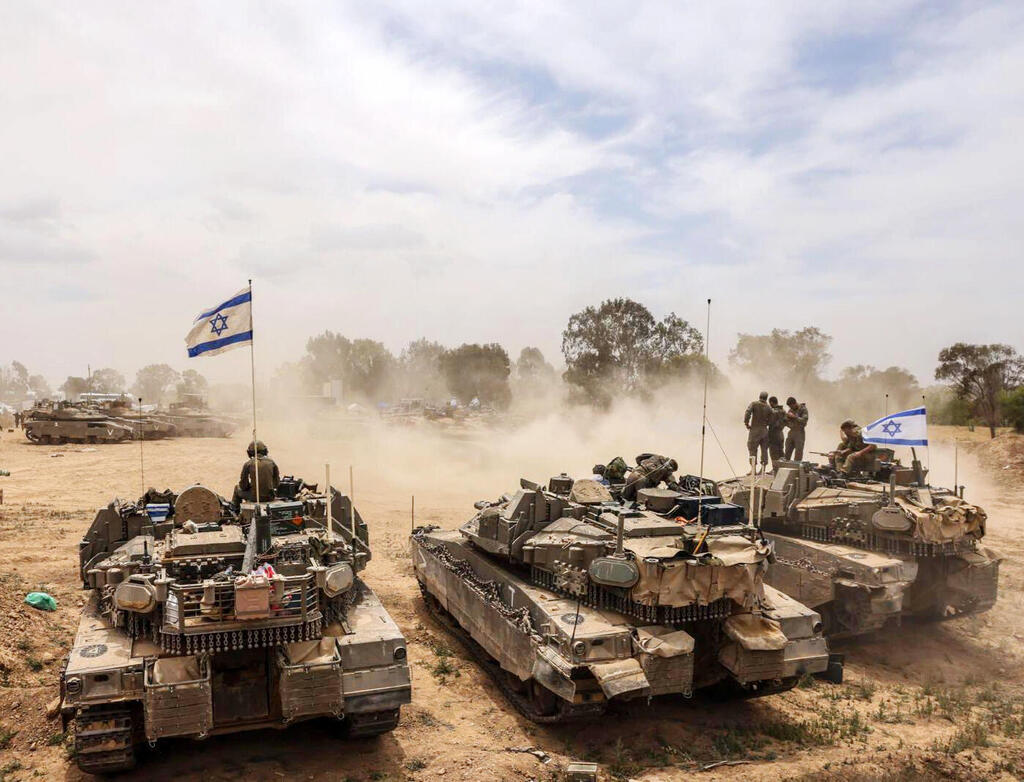
Alongside these measures, the military plans to acquire more armored personnel carriers and tanks while refurbishing vehicles worn down by years of operational use. However, the prime minister’s plan to increase the defense budget by NIS 400 billion ($131 billion) over the next 13 years, a plan on which the Ministry of Defense had based some of its procurement strategies, did not materialize.
Then there is the painful issue of reserve duty, which presents both budgetary and social challenges. Approximately NIS 100 billion ($33 billion) of Israel’s defense spending since the outbreak of the war has been allocated to mobilizing the tens of thousands of reservists the IDF is still compelled to deploy because of an acute shortage of combat troops and combat support personnel.
This situation is compounded by ongoing manpower attrition equivalent to roughly a dozen battalions. The IDF is short about 15,000 soldiers, half of them combat troops, yet the ultra-Orthodox community continues to refuse to enlist, with the Israeli government’s approval.
Even the warning issued by Deputy Chief of Staff Eyal Zamir that, without expanding the pool of service members, “the reserve army will collapse in on itself” failed to impress cabinet members. Consequently, the reserve force, once the IDF’s safety net, has been transformed during the war into a net whose cords are stretched to the breaking point.
The Ministry of Finance looks at the billions this system costs each month, warns against wasteful management, and demands that the defense establishment streamline its operations and think carefully before issuing the next emergency call-up order. Yet mutual suspicion between the Finance and Defense ministries has driven senior officials to try to force each other’s hand, resulting in what amounts to a dialogue of the deaf.
Alongside all this is the effort to rehabilitate the battered regions in the south and north. Approximately 90% of the roughly 60,000 residents evacuated from the north have already returned to their homes. Like residents in the south, they continue to live in the shadow of explosions still heard around them.
The Tnufa Administration, which has been merged with the Tkuma Administration responsible for rehabilitating the Gaza Envelope, reported this week that of the NIS 13.4 billion ($4.4 billion) allocated to fund northern development plans through 2030, about NIS 6 billion ($2 billion) has already been utilized.
Aviad Friedman, who over the past year has assumed responsibility for the Northern Rehabilitation Administration alongside the Tkuma Administration, is a key figure in turning grand promises and plans into the reality of growth that the North so desperately needs.



