










Israel's water crisis drags on as desalination plants remain largely shut
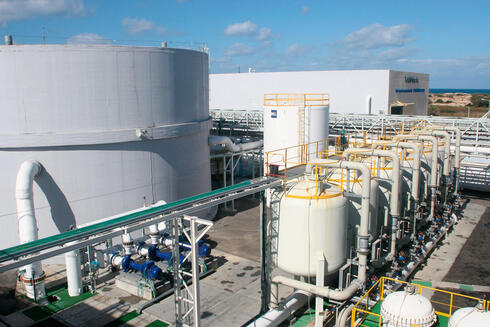
Four days into the crisis, two major desalination plants remain offline and two others are operating at half capacity. Officials are relying on increased pumping from the Sea of Galilee and hundreds of wells to maintain supplies.
On the fourth day of Israel's water crisis and the shutdown of most of the desalination plants along the Mediterranean coast, it is becoming clear that Energy Minister Eli Cohen's statements on Wednesday about an imminent end to the crisis and a return of the water sector to full operation were premature.
As of 3 p.m., the desalination plants in Ashdod and Ashkelon remain shut down, as they have been since the beginning of the incident. According to the Energy Minister, the Sorek A plant has returned to operation. The Palmachim and Sorek B desalination plants are currently operating at half capacity, after being shut down for periods since the beginning of the crisis. The Hadera desalination plant has continued to operate normally throughout the crisis.
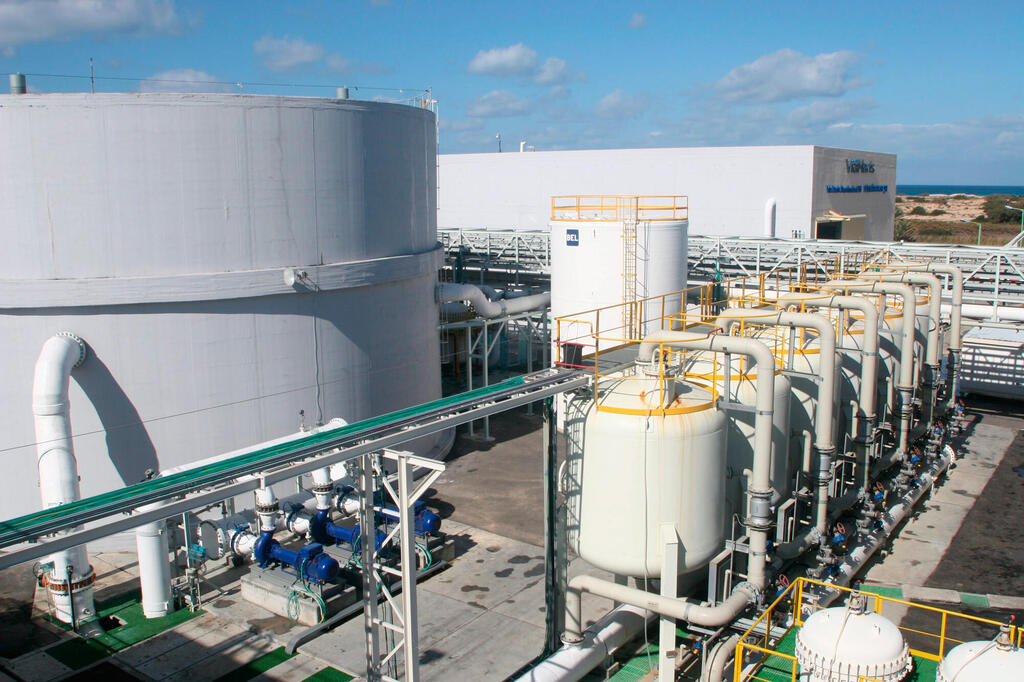
According to estimates by a senior water sector official, the area affected by the turbidity in the seawater, caused by an unusual drift of microalgae from Egypt's Nile Delta, stretches for about 100 kilometers and is approximately 7 kilometers wide. The official said the Palmachim and Sorek B plants are operating at half capacity as part of a risk-management strategy, avoiding full-scale seawater intake that could clog their filtration systems and damage them. As a result, facilities that are normally capable of producing about 18,000 cubic meters of desalinated water per hour are currently producing only half that amount.
A senior government official involved in managing the crisis told Calcalist: "There is no expectation that it will end soon, since the level of turbidity depends on the wind regime and sea currents."
Minister Cohen said the country's water system remains stable and that there is no shortage for consumers. However, as the crisis continues, Mekorot has quadrupled the volume of water it is pumping from the Sea of Galilee. The daily volume now exceeds 1 million cubic meters, even though the lake's water level is below the red line.
The national water company is also pumping water from about 1,000 wells and boreholes across the country, while dozens of older boreholes reserved for emergency use are also being activated with the approval of the Ministry of Health. During the night, when water consumption is lower, Mekorot pumped large quantities of water into its reservoirs in an effort to strengthen its ability to supply consumers across the country, including agricultural communities in remote areas.



