










Israel’s tourists are down 78%. So why is foreign card spending down just 8%?
A breakdown of payment data shows that online purchases and spending outside traditional tourism sectors are masking the collapse in visitor numbers.
Foreign credit card spending in Israel appears to have recovered much closer to pre-war levels than the number of tourists arriving in the country. But a closer look at the data shows that the headline figure is masking a much deeper decline in spending by tourists themselves.
According to data from Shva, which operates Israel's national payment system, foreign credit card spending in Israel totaled approximately NIS 9.7 billion in the first half of 2026. That was only about 7.8% below the NIS 10.5 billion recorded in the first half of 2023, before the outbreak of the war.
The number of tourists arriving in Israel, however, fell far more sharply. According to Ministry of Tourism data, approximately 430,000 tourist arrivals were recorded in the first half of 2026, down about 78% from the 1.97 million arrivals recorded during the same period in 2023.
So what explains the gap between the relatively modest decline in foreign card spending and the collapse in tourist arrivals?
The answer lies partly in where the money is being spent.
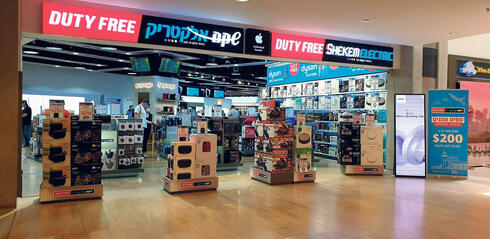
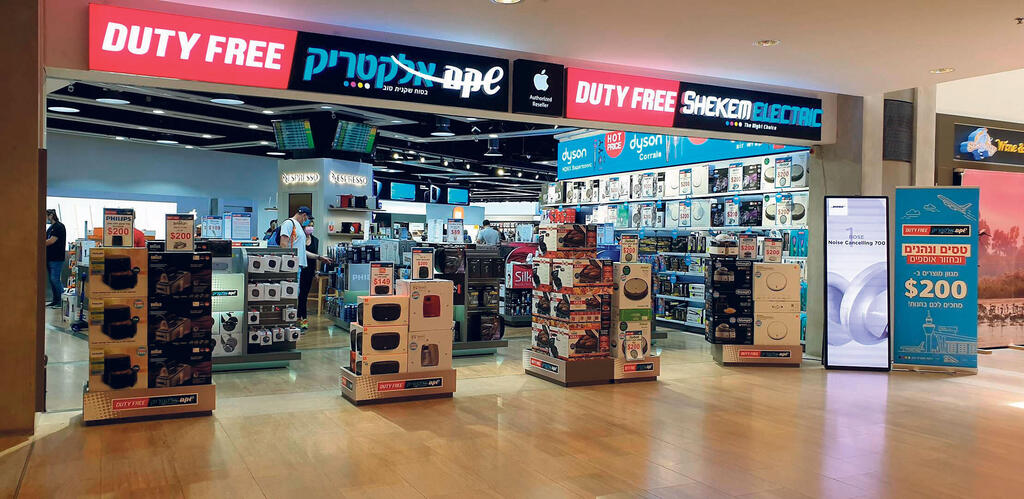
Spending in sectors closely associated with tourism has fallen sharply. In the first half of 2026, spending at hotels and guest accommodations was down 43.9% compared with the first half of 2023. Spending at restaurants and cafes fell 36.5%, while spending at duty-free shops declined 52.8%.
These figures more closely reflect the collapse in tourist arrivals since the outbreak of the Iron Swords war.
At the same time, spending in categories that are less directly associated with traditional tourism has risen sharply. Foreign card spending at delis, butcher shops and bakeries increased 52.4% compared with the first half of 2023.
Shva estimates that this increase may reflect routine consumption by people living in Israel rather than tourists. Another possibility is that Jewish organizations and other groups have used foreign cards to make bulk food purchases for communities affected by the war.
The distinction between online and in-person spending provides another explanation for the gap.
Total online purchases made with foreign cards in the first half of 2026 were approximately 1% higher than in the first half of 2023. In-person purchases, by contrast, fell by about 18%.
Shva attributes part of the increase in online spending to Jewish organizations purchasing equipment for communities affected by the war through remote transactions. Although these transactions have nothing to do with inbound tourism or the physical presence of visitors in Israel, they are recorded in the payment system as “tourist card” spending.
Inflation also contributes to the apparent resilience of spending. With prices having risen by roughly 10% over the period, the nominal decline in foreign card spending understates the reduction in the volume of goods and services purchased. In real terms, therefore, the decline in consumption is greater than the 7.8% drop in nominal spending.
Another possible explanation is a change in the composition of the foreign-card users present in Israel.
Data from the Ministry of Aliyah and Integration indicates that the sharp decline in immigration between 2023 and 2026 was driven almost entirely by a drop in immigration from Russia and Ukraine. At the same time, immigration from established Western countries, particularly France, the UK and the U.S., has remained stable or increased.
These new immigrants may continue to use foreign payment methods for everyday expenses and settlement-related purchases even though they are not tourists and are not spending money on traditional tourism services.
The presence of diplomats, journalists and representatives of international aid organizations may also be contributing to foreign card transactions. Their spending can add to overall foreign-card volumes while doing little to support businesses that depend primarily on tourists.
“Tourist spending in Israel via debit and credit cards is showing signs of recovery, yet it remains far from returning to pre-war norms,” Tali Hollenberg, Shva's VP of Marketing, Business Development and Sales, told Calcalist.
“In the first half of 2026, tourists spent approximately NIS 2.62 billion across five sectors representing traditional tourism: hotels and accommodations, restaurants and cafes, car rentals, duty-free shops, and travel agencies. This figure is more than 40% lower than the NIS 4.3 billion recorded in the first half of 2023.”
Hollenberg added: “This gap is more significant than the rise in credit transaction volumes, as it reflects the reality on the ground, specifically, how many tourists are staying in hotels, dining in restaurants, renting cars, and shopping at duty-free outlets.”
The figures therefore tell two very different stories about tourism in Israel. Foreign-card spending as a whole has come relatively close to its pre-war level, but spending in the sectors most dependent on tourists remains dramatically lower.



