










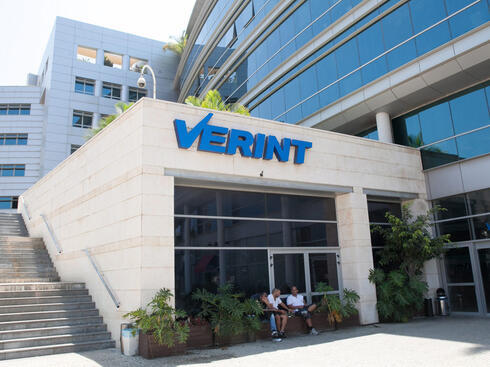
After $2 billion buyout, Verint lays off hundreds as private equity era begins
Job cuts follow Thoma Bravo’s acquisition and leadership overhaul as the company integrates with Calabrio.
Six months after agreeing to a $2 billion sale to private equity firm Thoma Bravo, Verint has laid off hundreds of employees, including several dozen in Israel.
The cuts follow the company’s take-private transaction, which valued the Nasdaq-listed customer experience automation company at $20.50 per share, an 18 percent premium to its 10-day average trading price before news of a potential sale surfaced. The deal, unanimously approved by Verint’s board, removed the company from public markets and folded it into one of the world’s largest software-focused private equity portfolios.
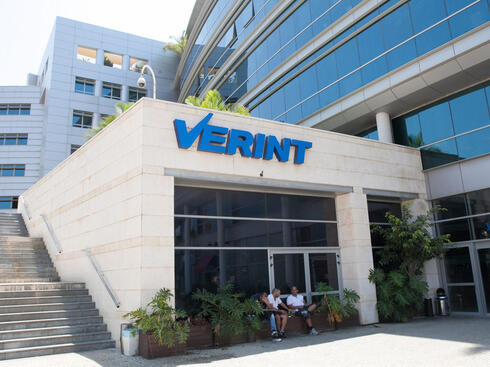
Before the layoffs, Verint employed roughly 3,800 people worldwide. Only about 200 were based in Israel, primarily in research and development, representing around 5 percent of its global workforce. Several dozen of those Israeli employees are now among those dismissed.
Thoma Bravo has said it intends to combine Verint with Calabrio, another portfolio company, to create what it described as the broadest AI-driven customer experience platform in the market. Last week, Verint announced that Dave Rhodes, formerly CEO of Calabrio, had been appointed chief executive of the unified company, effective immediately.
Rhodes replaced longtime Verint CEO Dan Bodner, who had led the company since its early years as a division of Comverse in the 1990s. Bodner, 66, had served as both CEO and chairman and stood to receive an additional $18 million in change-of-control payments upon completion of the sale, on top of more than $100 million in cumulative compensation over his tenure.
The layoffs underscore the familiar pattern that often follows private equity acquisitions: operational tightening, integration and a sharper focus on margins and recurring revenue. Verint had already been in the midst of a strategic shift, pivoting toward AI-powered automation and accelerating its transition from perpetual software licenses to subscription-based revenue. In the past two years, it moved roughly 80 percent of revenue to subscriptions, a shift that improved profitability but did not restore meaningful growth.



