









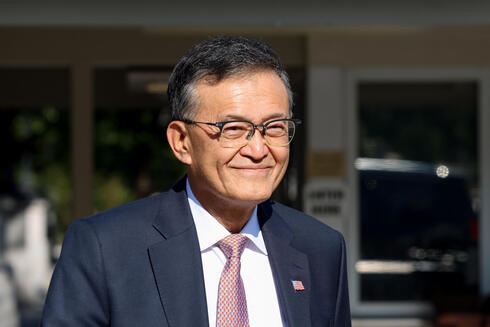
Intel CEO praises Israel’s tech sector: “Very disruptive and innovative”
Lip-Bu Tan says the country’s resilience and entrepreneurial culture continue to shape Intel’s future despite regional turmoil.
When Lip-Bu Tan agreed to become Intel's CEO, he inherited one of the most difficult turnaround projects in the technology industry. The company was struggling to regain technological leadership, facing mounting competitive pressure in artificial intelligence, and trying to rebuild investor confidence after years of setbacks.
As Tan restructures Intel and pushes the company toward its next phase, one region remains central to his vision: Israel.
Intel has maintained a major presence in Israel for decades, employing roughly 9,000 people in the country. The company's Israeli operations have long played a key role in processor development and architecture design. Now, as Intel attempts to reposition itself for the AI era, Tan appears to view Israel not only as an engineering center but as a source of the entrepreneurial culture he believes the company needs.
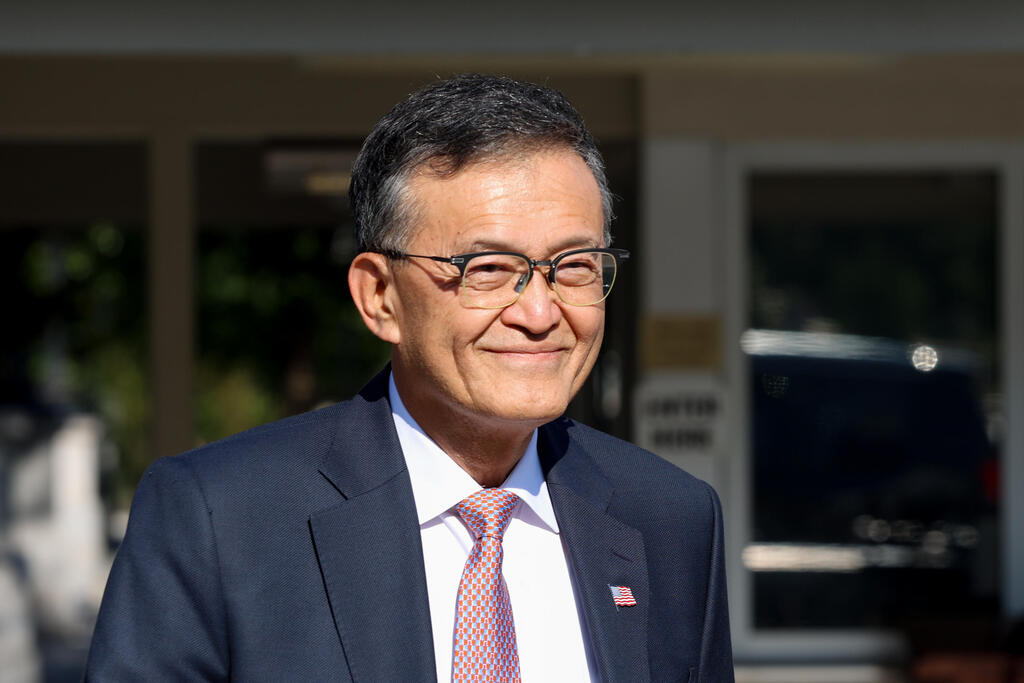
"Quite a significant amount of my investments are in Israel," Tan said during an interview on the No Priors podcast, hosted by tech investors Elad Gil and Sarah Guo. "They have very disruptive, innovative entrepreneurship and they work really hard."
Tan also highlighted the ability of Israeli teams to continue operating during periods of conflict.
"Even in this wartime, they still have conference calls," he said. "And sometimes they say, 'Okay, there's a warning, I have to go underground and then the internet may not be good, maybe we just use voice.' In some way, it's kind of fun, this is the kind of resilient entrepreneurship I really enjoy."
Betting on the Next Phase of AI
Much of the semiconductor industry's attention has focused on graphics processing units, or GPUs, which power the training of large AI models. Nvidia has emerged as the dominant beneficiary of that trend.
Tan, however, believes the next stage of AI development could create new opportunities for Intel.
He argues that the rise of AI inference and agent-based systems could increase demand for CPUs, an area where Intel has decades of expertise.
"Right now, the agentic AI and inference CPU become highly in demand," Tan said.
According to Tan, developers are finding that CPUs play an increasingly important role in coordinating and orchestrating large numbers of AI agents.
"I talked to some of the AI model and developer [teams]," he said. "They said in terms of reinforced learning, in terms of the speed of orchestrating all the agents... the CPU is actually better."
Tan's broader ambition is to transform Intel from a traditional chipmaker into a company capable of offering a more complete technology platform.
"Ten years from now, what will be the winning company?" he said. "The one that is laser-focused on one niche area, and also finds the right partner and is also able to scale the company... you need to have a full stack solution."



