










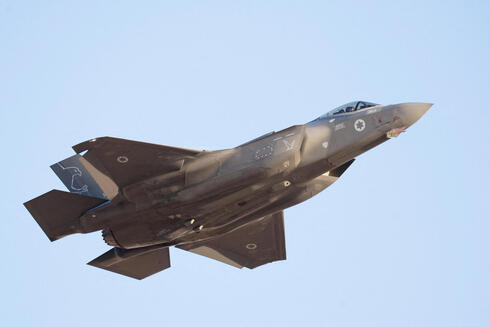
Israel seeks homegrown alternative to U.S. precision munitions
Rafael and Elbit have reportedly been tasked with developing heavy bombs modeled on the American JDAM, with mass production targeted for mid-2027.
Israel is moving to reduce its dependence on the United States for a key category of weapons used by its air force, commissioning the domestic development of heavy precision bombs modeled on the American Joint Direct Attack Munition, according to European Security and Defence, citing information from Israeli defense circles.
The project is part of a broader effort by Israel's Ministry of Defense to expand domestic production of critical weapons and ensure that the military can maintain adequate stocks of precision munitions even when foreign suppliers impose restrictions.
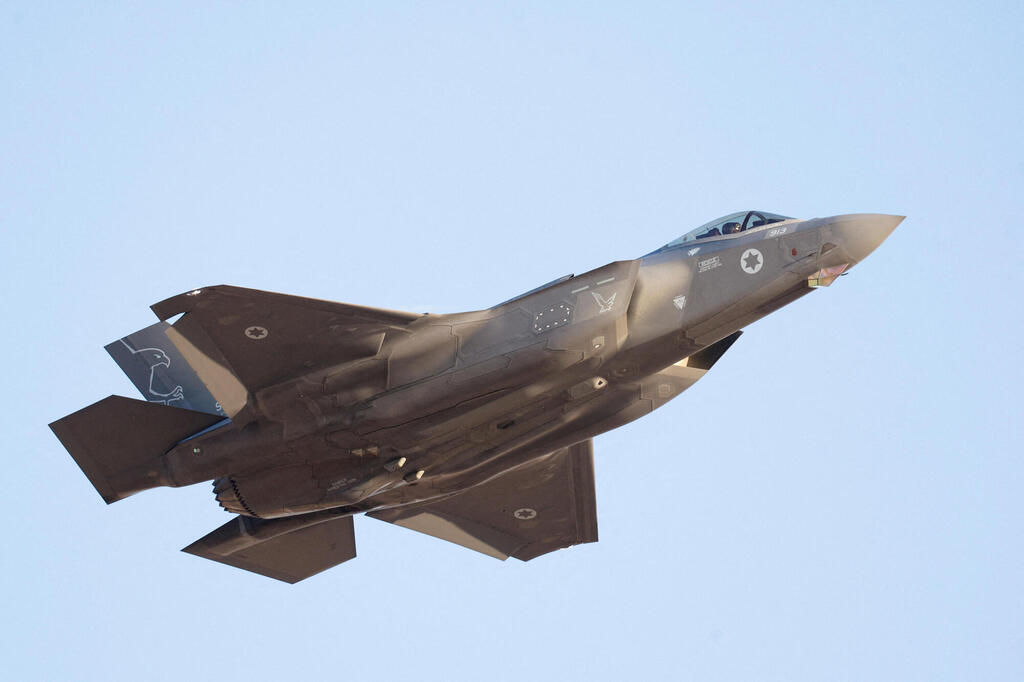
According to the report, Rafael Advanced Defense Systems and Elbit Systems have been tasked with developing the new weapons. Both companies are already working on related systems, with mass production currently targeted for mid-2027. No technical details of the bombs have been disclosed.
The decision reflects a reassessment inside Israel's defense establishment following a decision by the Biden administration in May 2024 to suspend deliveries of certain types of ammunition and bombs amid disagreements over Israel's military operations in Gaza.
The effort to strengthen domestic weapons production expanded significantly in 2025 and 2026, with precision munitions and other smart air-to-ground weapons becoming a particular focus.
Israel has used American precision-guided munitions extensively in recent years, giving its air force considerable operational experience with the weapons it is now seeking to produce domestically.
That experience is expected to feed into the development of the new weapons, alongside the technological capabilities already present in Israel's defense industry.
The shift comes after years in which Israeli companies developed sophisticated missiles, air-defense systems, aircraft components and other weapons, while the military continued to rely heavily on the United States for certain types of aerial munitions.
The new program suggests that the experience of recent wars, and the uncertainty exposed by the 2024 U.S. restrictions, have changed the calculation in Jerusalem. Access to critical munitions can no longer be taken for granted, even from Israel's closest ally.
If the current timetable holds, mass production of the new heavy precision bombs is expected to begin in mid-2027, giving Israel a domestic source for a class of weapons that has traditionally depended heavily on American supply.



