










Two CEOs, two $10 million bets: Intel's Tan loses $3 million as Palo Alto's Arora gains $15 million
Tan's August purchase is now worth $6.9 million after Intel's 28.5% plunge on Friday, while Arora's March investment has grown to nearly $25 million.
When Intel CEO Lip-Bu Tan invested nearly $10 million in his company's shares in August, the purchase looked like a show of confidence in a turnaround that had already sent the stock sharply higher. Less than three months later, following a brutal earnings-driven selloff, that investment has turned into a multimillion-dollar paper loss.
The contrast with another prominent technology chief executive is striking. Nikesh Arora, CEO of Palo Alto Networks, made a similarly sized investment in his company in March, when cybersecurity stocks were under pressure amid concerns that artificial intelligence could threaten the industry's business model. His bet has since become worth nearly $25 million.
Based on Friday's closing prices, Tan's purchase is now worth approximately $6.92 million, representing a paper loss of about $3.08 million, or 30.8%. Arora's investment, by comparison, is worth approximately $24.91 million, giving him an unrealized gain of nearly $14.91 million, or 149%.
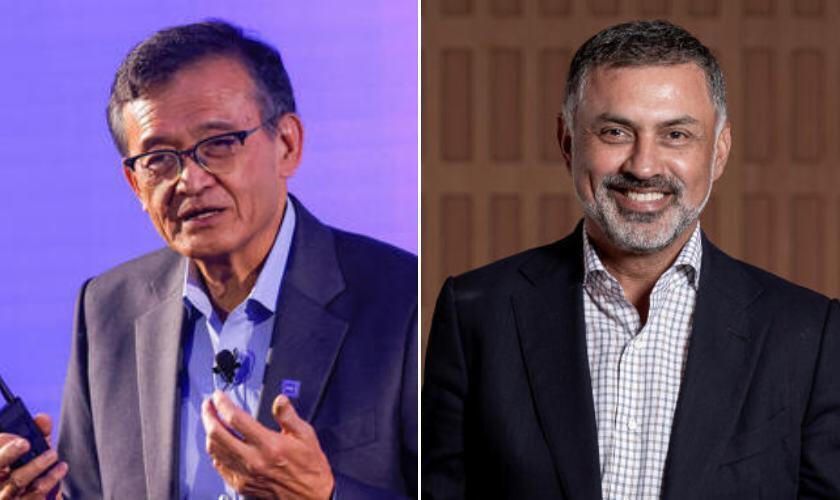
The divergent results offer a snapshot of how differently investors have rewarded two major technology companies as the AI boom reshapes the market.
Tan purchased 105,263 Intel shares on August 11 at $95 apiece through a family trust, according to an SEC filing. The transaction brought his reported holdings to 1,314,669 shares. The stock initially moved in his favor, reaching $127.39 on September 24, when the shares he had purchased were worth approximately $13.4 million, giving him an unrealized gain of more than $3.4 million.
That momentum has since reversed dramatically. Intel shares plunged 28.5% on Friday after the company issued a weak fourth-quarter forecast and warned that manufacturing constraints, a slowdown in the PC market and heavy investment spending would weigh on its finances. The stock closed at $65.76, leaving Tan's August purchase worth just under $6.93 million.
The decline has been especially painful because it came after a period in which Intel's shares had more than doubled during 2026, as investors grew more optimistic about Tan's efforts to revive the company's manufacturing business and capitalize on demand for AI-related chips. The latest results, however, highlighted the gap between strong demand and Intel's ability to supply customers, while raising fresh concerns about the cost and pace of its recovery.
Arora's investment followed a very different trajectory. On March 27, he bought 68,085 Palo Alto Networks shares at an average price of approximately $146.88, investing about $10 million. It was his first open-market purchase of the company's stock since November 2019.
At the time, cybersecurity shares were under pressure as investors debated whether increasingly capable AI systems could undermine the traditional security business. Arora took the opposite view, betting that the growing adoption of AI would create new security risks and expand the market for companies capable of protecting increasingly complex digital environments.
The subsequent rally in Palo Alto shares has substantially increased the value of his position. At Friday's price of $365.87, the 68,085 shares are worth approximately $24.91 million, more than two and a half times their original value.
The contrast is not simply a matter of two executives timing their purchases differently. Both bought shares when investors were questioning their respective companies' prospects, but the market's subsequent assessment of their businesses has diverged. Palo Alto has continued to benefit from investor demand for cybersecurity companies positioned to address the risks created by AI, while Intel's latest results have exposed the challenges of rebuilding a manufacturing business at a time of intense competition and rising capital requirements.



