










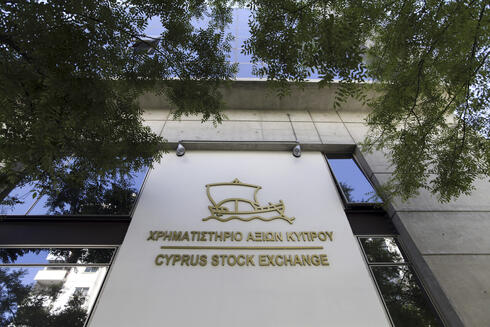
TASE eyes Cyprus Stock Exchange in first major step toward becoming a global exchange operator
The Tel Aviv exchange is conducting an advanced review of a potential bid for Cyprus’s government-owned exchange, a move that would expand its footprint into the EU and fit its new strategy of pursuing acquisitions and partnerships.
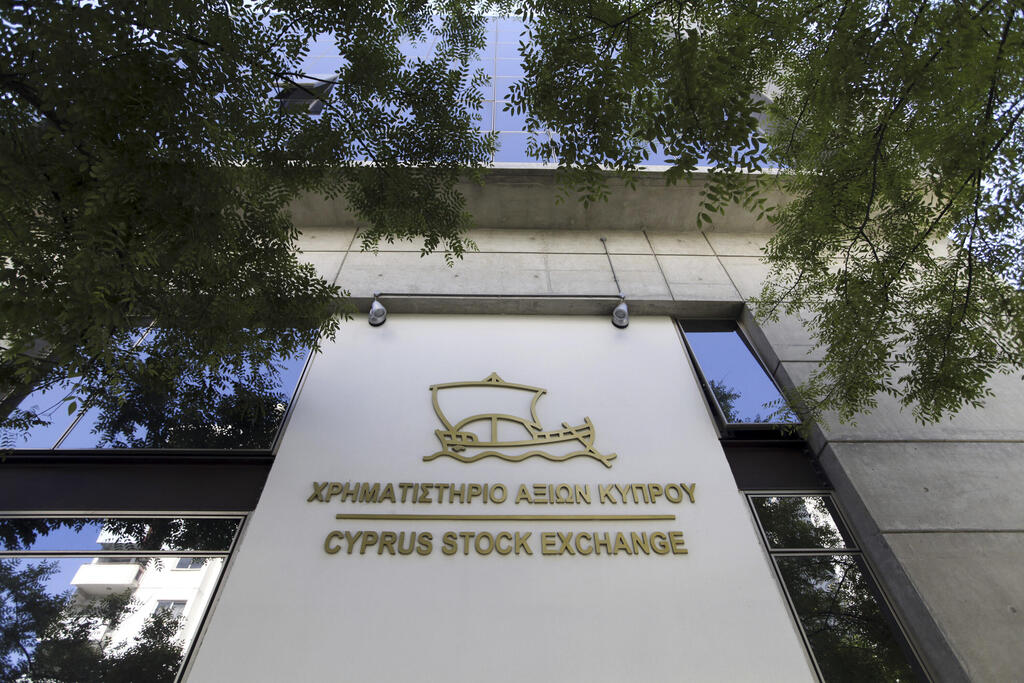
The Tel Aviv Stock Exchange (TASE) is conducting an advanced review of a potential bid to acquire the Cyprus Stock Exchange (CSE), Calcalist has learned. The Israeli exchange, led by CEO Ittai Ben-Zeev, intends to participate in a tender that the Cypriot government is preparing to hold as part of the privatization of the island’s exchange. Other European exchanges are also expected to participate.
The Nicosia-based exchange is relatively small, with an estimated transaction value of €20 million to €40 million. Neither TASE’s management nor its board of directors has made a final decision to submit a bid. Any such decision is expected only after the tender is formally published and its eligibility criteria are known.
Nevertheless, the potential acquisition highlights a broader strategy in which a single exchange operator owns and operates multiple exchanges in different markets. Global examples include Euronext, which operates exchanges in Paris, Amsterdam, Brussels and Lisbon and acquired the Athens Stock Exchange last year for €413 million, as well as Intercontinental Exchange (ICE), which operates the New York Stock Exchange and other exchanges and clearing businesses.
For TASE, an acquisition in Cyprus would provide a foothold within the European Union and potentially create opportunities to expand its business and services into European markets. The process began about a year ago, when the Cypriot government decided to privatize the Nicosia exchange.
The Cyprus Stock Exchange is currently wholly owned by the government and regulated by the local securities authority. Its annual revenues are estimated at just €4 million to €7 million, leaving significant room for growth under a private owner that could increase trading activity and develop new sources of revenue.
By comparison, TASE generated NIS 563 million (approximately €160 million) in revenue in 2025, with net profit of NIS 181 million (approximately €51 million). In the first half of 2026, TASE’s revenue reached an annualized rate of approximately NIS 740 million, about 31% higher than in the corresponding period of 2025.
TASE currently has a market capitalization of approximately NIS 12.3 billion (€3.5 billion), while the Cyprus exchange is estimated to be worth between €20 million and €40 million for the purposes of the privatization. In comparable transactions, stock exchanges in the Balkans and Eastern Europe have been sold for approximately €50 million to €60 million. The potential value of the CSE reflects not only its existing business but also control of its trading infrastructure, clearing operations and the regulatory framework under which it operates as an EU exchange.
Since 2006, the Cyprus Stock Exchange has operated a joint trading and clearing platform with the Athens Stock Exchange. The Greek exchange could therefore also have an interest in the privatization and potentially hold an advantage over other bidders because of its existing operational relationship with the CSE.
The tender is expected to weigh price most heavily, accounting for 70% of the evaluation, while qualitative factors will account for the remaining 30%.
The Cypriot government aims to sell the exchange to an international exchange operator or strategic investor. The goal is to attract an owner capable of significantly increasing trading volumes, which have remained low and contributed to the exchange’s lack of profitability. Most of the CSE’s revenue currently comes from clearing services and trading in foreign corporate bonds. Employees are also expected to receive retirement bonuses as part of the privatization process.
Following parliamentary approval of the legislation allowing the privatization, Marinos Christodoulides, chairman of the Cyprus Stock Exchange, said the goal was to transform the exchange into a competitive regional capital-market hub for the Eastern Mediterranean. He said privatization would give the CSE greater flexibility to adapt to a rapidly changing financial environment, expand its services and products, broaden its market reach and operate according to private-sector principles.
The potential Cyprus deal fits into a broader strategic shift at TASE. In mid-September, the exchange unveiled a strategic plan centered on the creation of a public holding company. Under the proposed structure, the exchange itself, its clearing houses, and its indices, data and technology operations would operate as separate entities, alongside additional companies that could be established in the future.
The structure is designed to give TASE greater flexibility to pursue acquisitions, bring in partners and enter new business areas. The potential Cyprus acquisition would fit directly into that strategy, alongside plans to extend trading hours and provide administrative services to funds operating outside the scope of regulatory oversight.
Under the new strategic plan, TASE is targeting annual revenue growth of 15% to 18% through 2031, up from the 10% to 12% target in its previous plan. If it achieves that trajectory, annual revenue could reach approximately NIS 1 billion as early as 2028.
In recent months, TASE has also held talks over the possible sale of its indices business to a foreign entity, although those discussions did not result in a deal.



