










Israel's defense boom pushes high-tech employment to record high
While software companies cut jobs amid AI and currency pressures, defense contractors and chipmakers are hiring at their fastest pace in years.
Demand for workers in Israel's defense industry is currently outweighing the headwinds created by the strong shekel and AI-driven layoffs. A quarterly report by the Aaron Institute, obtained by Calcalist, points to a sharp increase in high-tech employment during the first quarter of the year. According to Dr. Sergei Sumkin, head of the institute's High-Tech Department and author of the report, the defense sector was the primary driver of the growth.
According to the report, employment in Israel's high-tech sector reached a record 424,000 workers in the first quarter, up 6.2% year over year. High-tech employees now account for 12% of Israel's total workforce.
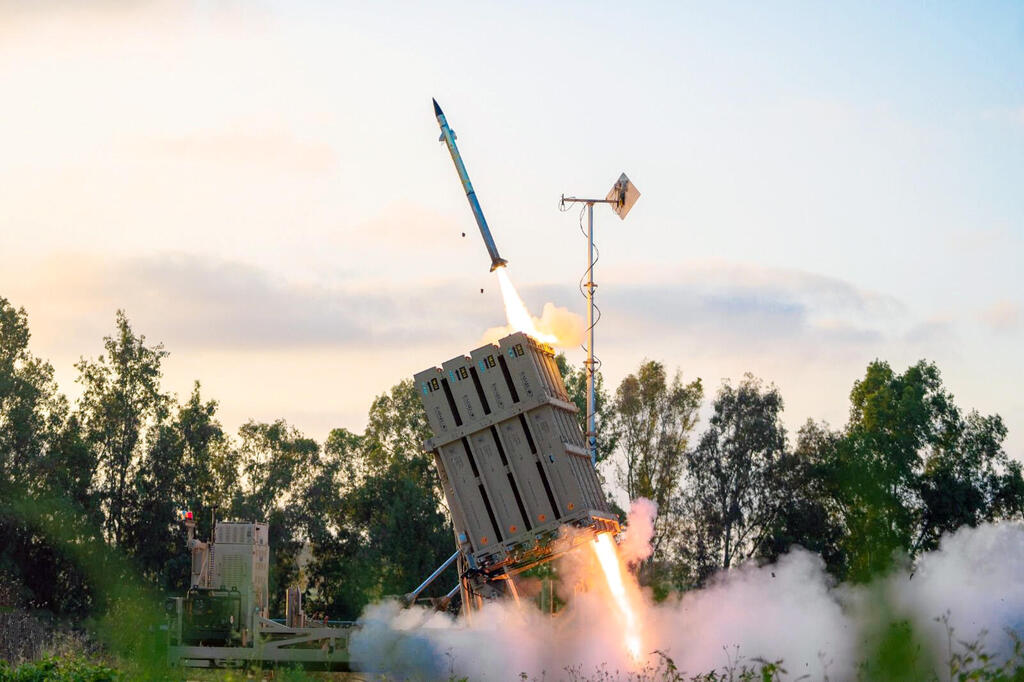
The strongest growth came from the deep-tech sector, which includes defense companies and semiconductor firms. Employment in the sector rose 15.4%, adding approximately 12,000 workers during the first three months of the year.
The report also shows that employment in research and development rebounded after a worrying decline in the final quarter of 2025. The number of R&D employees increased 5.9% to 257,500. Sumkin attributes the recovery largely to hiring and workforce expansion at Israel's defense companies, adding that if Israel's domestic and geopolitical environment becomes more stable, employment growth is expected to moderate and stabilize.
When technology professionals employed outside the traditional high-tech sector, such as in banking, telecommunications and other industries, are included, the number of people working in technology occupations surpassed 600,000 for the first time, reaching 604,000, a 6.1% increase compared with the same period in 2025. Tech workers now account for 17% of Israel's workforce.
If the current trend continues, Israel could reach the 20% technology workforce target by 2035, a goal set by the Perlmutter Committee in 2021.
The findings stand in contrast to the increasingly negative sentiment surrounding Israel's technology industry. Many companies have announced significant layoffs in recent months, citing efficiency gains from AI adoption as well as broader cost-cutting efforts. The trend has extended to global technology giants, including Meta, which laid off thousands of employees earlier this year.
Defense and chips offset software weakness
In Israel, concerns over layoffs have been compounded by the sharp appreciation of the shekel, which has made Israeli technology workers among the most expensive in the world.
Companies that have announced significant workforce reductions include Wix, which laid off around 1,000 employees globally, as well as Amdocs, SentinelOne, Elementor, Taboola, Lightricks, and Artlist. Additional cuts were announced by AI21 and Hailo, both of which cited business challenges and reduced their workforces by roughly half or more.
However, the Aaron Institute cautions that the first-quarter data may not yet reflect these developments.
Most layoffs across the technology sector occurred during the second quarter and therefore are not yet captured in the report. Likewise, the shekel's sharpest appreciation against the dollar took place between April and June, after the reporting period ended.
By contrast, Israel's defense industry has benefited from exceptionally strong demand. Russia's war in Ukraine, ongoing geopolitical instability in Europe and the changing nature of modern warfare since October 2023 have fueled demand for advanced defense technologies.
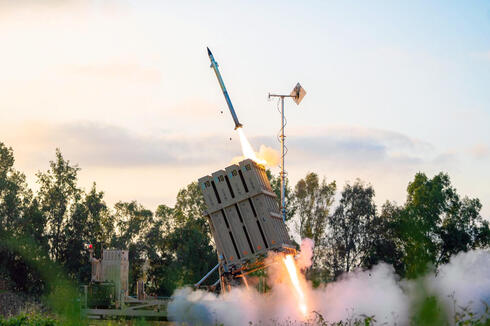
Air defense systems remain in high demand across both Europe and the Middle East, while the growing threat posed by drones has accelerated investment in new defense capabilities.
Reflecting this trend, Elbit Systems CEO Bezhalel Machlis said last week that the company hired 2,000 employees over the past year and plans to recruit another 2,000 by the end of 2026.
The semiconductor sector has also gained momentum, driven by the global AI boom and surging demand for computing infrastructure.
As investors shift their attention from software companies toward AI infrastructure, semiconductor companies have become major beneficiaries. The growing prominence of Israeli chipmakers such as Tower Semiconductor and Nova, both of which recently joined the ten largest companies on the Tel Aviv Stock Exchange, illustrates the shift.
The report also raises questions about the necessity of the support package announced last week by the Finance Ministry to help the technology sector cope with the impact of the strong shekel.
Sumkin argues that the strong employment figures do not contradict the need for government support because the pressure is concentrated among startups.
"The strength of Israeli high-tech lies in its diversity," he said. "The ecosystem includes startups, fast-growing private companies, large defense companies, public companies and multinational corporations. Defense companies currently have order books stretching years ahead, creating strong demand for workers, while multinational companies, which employ around 30% of Israel's high-tech workforce, generally have the financial strength to avoid rapid layoffs."
"Startups, however, are under real pressure because they raise capital in dollars while paying most of their expenses in shekels."
The impact of the strong shekel is already evident in export figures.
While the dollar value of high-tech exports has remained relatively resilient, suggesting demand for Israeli technology remains strong, the appreciation of the shekel has significantly reduced export revenues when measured in local currency.
According to the report, alongside a 13.6% appreciation of the shekel, the dollar value of high-tech exports declined by 3.6%, while their value in shekels fell 16.8%.
At the same time, the high-tech services sector continued to expand. Exports of technology services increased 16.4% in dollar terms, while remaining essentially flat when measured in shekels. The calculations were based on an exchange rate of NIS 3.12 per dollar, higher than the current exchange rate.



