










Israel approves over $800 million in classified military purchases amid war with Iran
More than 11,000 munitions have already been used in strikes on Iran. Classified deal approved as missile interceptor supplies reportedly fall.
Israel’s government has approved a new emergency allocation for the military, with the war against Iran placing a growing strain on the country’s weapons stockpiles.
Late Saturday night, ministers approved the transfer of 2.6 billion shekels ($827 million) to the Defense Ministry for what officials described as “classified defense procurement” intended to “renew critical combat stocks.” The measure was approved through a ministerial referendum process, allowing the government to authorize urgent purchases without publicly disclosing the details.
According to the government’s explanation, the funds will be used to procure armaments, advanced weapons, and other supplies needed to replenish stocks depleted during the ongoing fighting. The request reflects the scale and intensity of Israel’s military operations since the beginning of the campaign against Iran.
A series of ammunition shipments for the Israeli Air Force arrived in Israel recently to support continuing strikes on Iranian targets, according to a report on Kan News. The shipments come after more than 11,000 weapons have been dropped on targets in Iran since the start of the campaign.
At the same time, reports have emerged suggesting that Israel’s defensive capabilities are also under strain.
According to American sources cited by the news site Semafor, Israel has informed the United States that its stockpile of ballistic missile interceptors has been significantly depleted during the war with Iran. The sources said Washington had anticipated the shortage in advance, though it remains unclear whether the United States will provide interceptors from its own reserves.
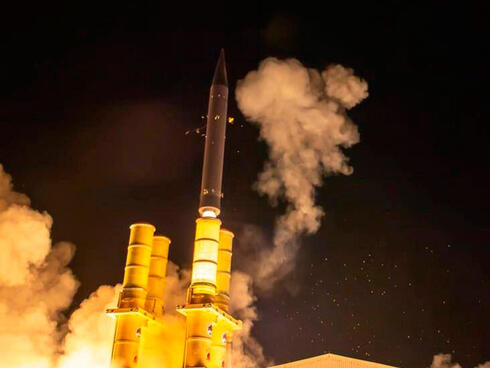
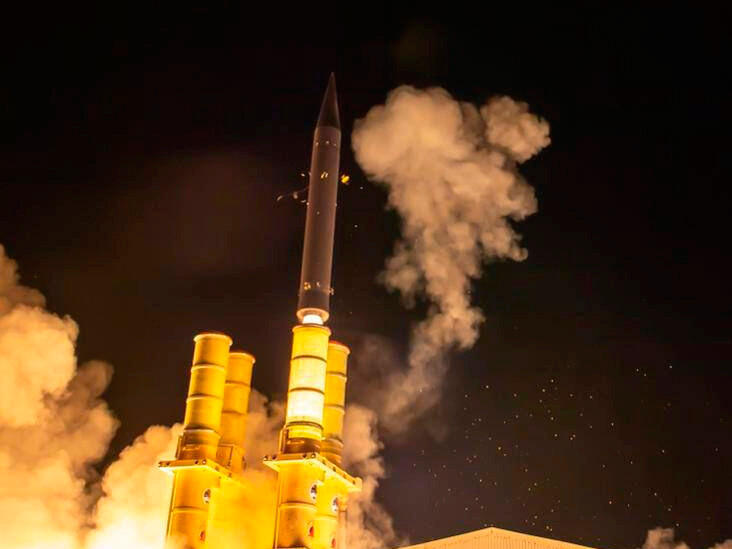
These interceptors are considered one of Israel’s most critical defense systems. While the Iron Dome system is designed primarily to counter short-range threats, the interceptors now reportedly in short supply form the main and most effective layer of protection against long-range ballistic missiles.
Israel can also intercept missiles using fighter jets, but this approach is generally considered a complementary capability rather than a substitute for dedicated missile-defense systems.
Earlier in the week, ministers also approved a major expansion of the defense budget, funded through a 3% across-the-board reduction in the budgets of civilian ministries. That decision added roughly 30 billion shekels to military spending.



