










Investors fail to block sale of valuable Greek Orthodox Church land in Jerusalem
The Jerusalem District Court rejected a request for an injunction over five dunams near the King David Hotel, while criticizing the investors for failing to disclose parts of the property’s legal history.
The Jerusalem District Court has rejected a request by a group of investors led by attorney Yehuda Talmon to prevent the Greek Orthodox Patriarchate from selling a plot of land in central Jerusalem. The Supreme Court later rejected the investors’ appeal.
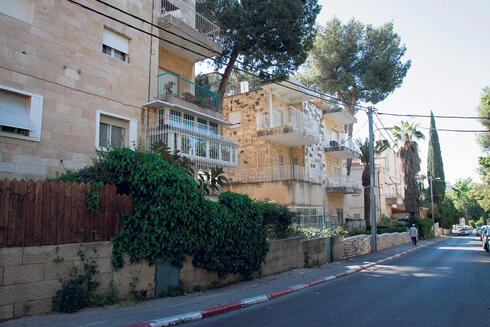
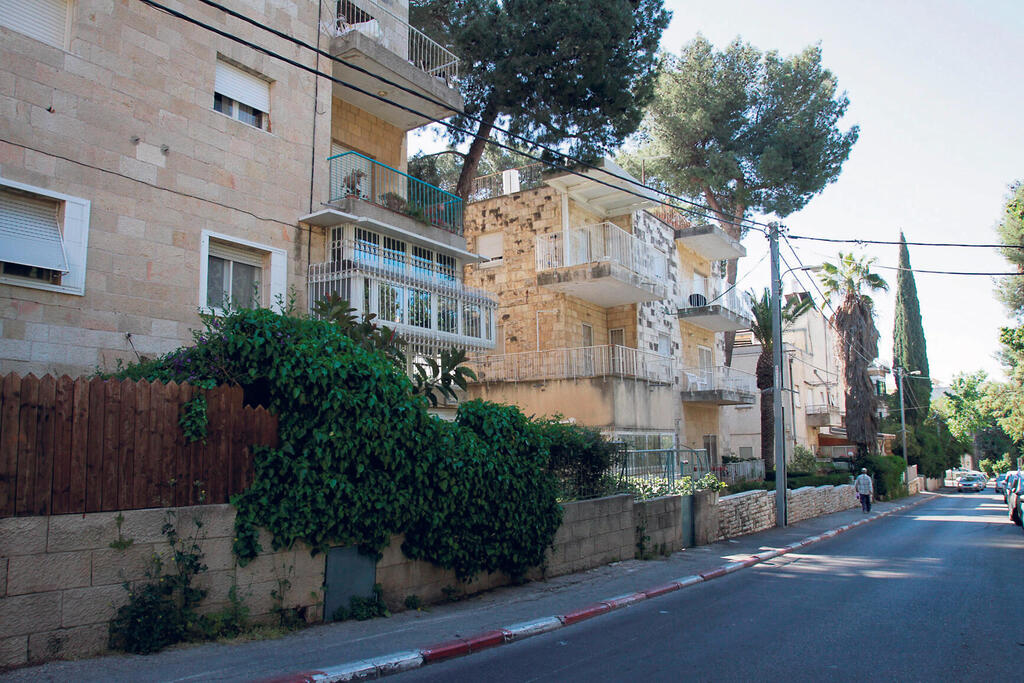
The dispute concerns approximately five dunams on Emile Botta Street, near the King David Hotel and the French Embassy. Alongside the request for an injunction, the investors filed a separate lawsuit against the Patriarchate, which has yet to be resolved.
The relationship between the parties dates back to 1999, when the Patriarchate signed a land-combination agreement with the investors. Under the agreement, the investors were to receive consideration for approximately one dunam of the property, on which about 10 apartments were planned.
The original deal, with Avital Properties, did not materialize. A similar agreement was later signed with Nof Tzamerot, but that deal also failed to move forward.
The investors said they recently discovered that the Patriarchate was seeking to sell the land to a foreign company registered in the British Virgin Islands. They asked the court to issue an injunction preventing the sale to a third party until their lawsuit was resolved.
Judge Avigdor Dorot rejected the request and criticized the investors for the timing and manner in which it was submitted.
“The applicant’s delay indicates that there is no real urgency that justifies the court’s early intervention,” Dorot wrote.
The judge also pointed to the investors’ failure to disclose in their application and affidavit the combination agreement signed with Avital Properties and the continuing legal dispute between the parties.
According to Dorot, these were “material and relevant facts that were allegedly hidden.” In light of the omissions, he concluded that the investors’ chances of prevailing in the underlying lawsuit were relatively low and did not meet the threshold required for an injunction.
The court also found that the investors should have included Piero, a company to which the Patriarchate had sold some of the rights to the plot, in the proceedings.
The ruling is the latest development in a broader and long-running dispute over the Greek Orthodox Patriarchate’s extensive land holdings in Jerusalem. Over the past two decades, the church has sold some of its land or entered into combination agreements with developers, raising concerns among tenants living on church-owned properties, particularly in the Talbiya and Rehavia neighborhoods.
The Patriarchate owns approximately 570 dunams in the heart of those neighborhoods. Around 900 apartments, hotels and public institutions have been built on the land.
In 2022, the Patriarchate signed a deal with an American developer, prompting concerns among tenants over the future of their homes as existing leases expire. Negotiations between the tenants and the company are currently underway.
The latest court ruling does not resolve the investors’ underlying lawsuit, which remains pending.



