










Immunai and Bristol Myers Squibb turn to AI to decode immune responses in clinical trials
The collaboration aims to improve understanding of patient biology in clinical trials.
Immunai, an artificial intelligence biotechnology company focused on mapping the human immune system, has signed an agreement with Bristol Myers Squibb to support the pharmaceutical group’s clinical development efforts through advanced immune-data analysis.
Under the agreement, Immunai will apply its AI-powered operating system, AMICA-OS, to analyze high-dimensional immune data generated in Bristol Myers Squibb’s clinical studies. The work is intended to help deepen understanding of patient immune responses and variability in treatment outcomes, with the aim of informing clinical decision-making during drug development.
The collaboration reflects the growing interest among large pharmaceutical companies in using artificial intelligence not to discover drugs directly, but to extract clearer biological meaning from the vast and complex datasets generated during clinical trials, particularly in immunology, where patient responses can differ widely even within the same disease category.
According to Immunai, the analyses will use its immune system AI models and underlying infrastructure to examine single-cell immune data at scale. The stated objectives include clarifying immune-driven mechanisms of action, supporting patient stratification, identifying biomarkers, and enabling more data-informed development decisions.
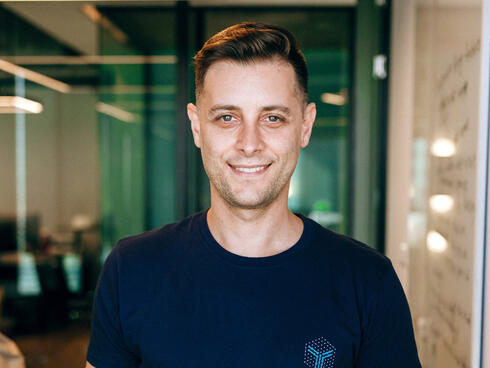
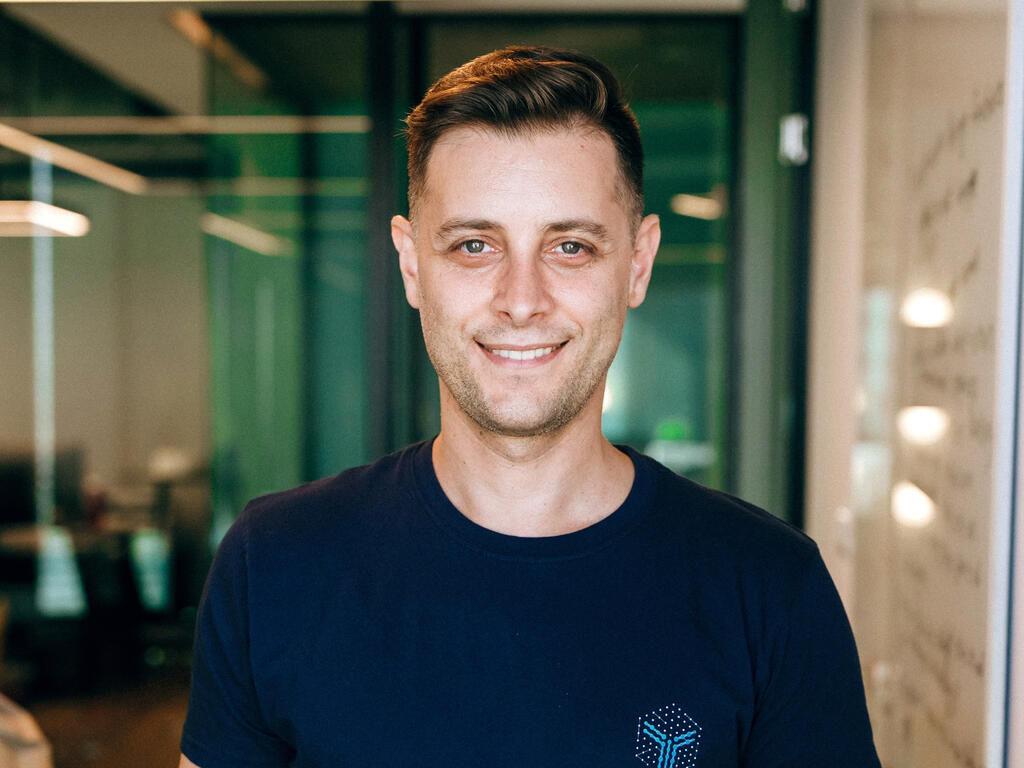
“Understanding the immune system at the level required to guide clinical development remains one of the most complex challenges in drug development,” said Noam Solomon, Immunai’s CEO. He said the work with Bristol Myers Squibb would focus on translating complex immune data into insights that could support decision-making in clinical programs.
Immunai employs more than 190 people and works with pharmaceutical companies and academic institutions. It is headquartered in New York City and has raised close to $270 million in funding to date.



