










Energy markets brace for fallout as Hormuz disruption spreads
Limited alternatives leave global oil and gas supply exposed to widening regional war.
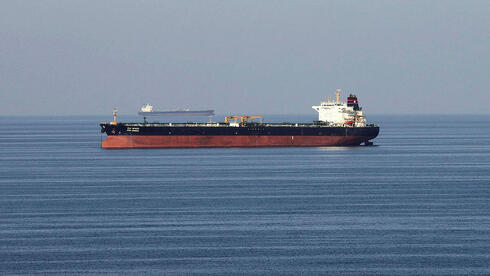
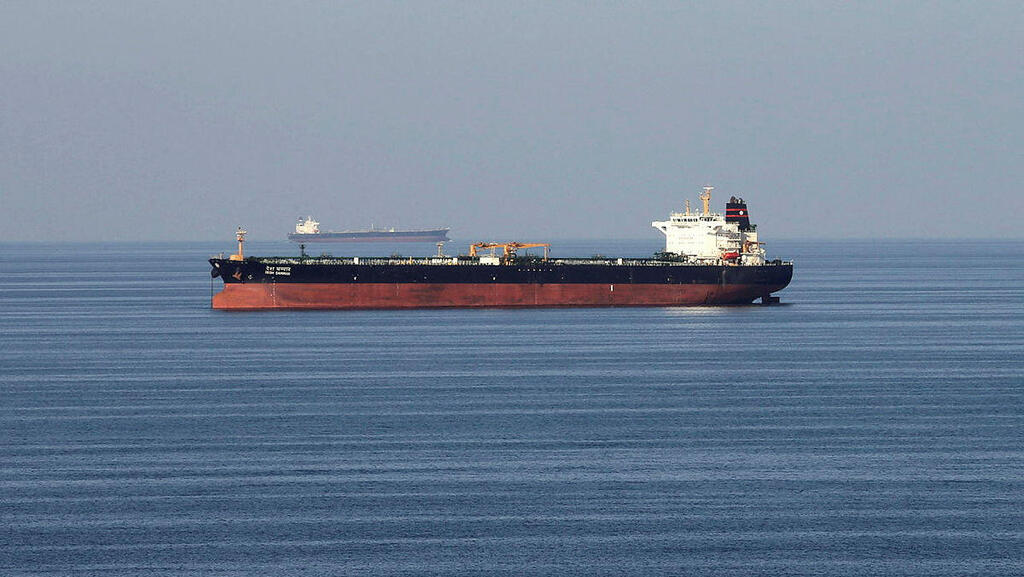
Shipping through the Strait of Hormuz has come to a near standstill, particularly for Western-flagged vessels, after insurers warned they would cancel coverage and sharply raise premiums, the Financial Times reported. A small number of oil tankers transited the strait overnight, but most ships are stopping before entering or turning back, increasing the risk of disruption to global energy supplies.
Hours after the start of the joint Israeli and U.S. strikes on Iran, Iran’s Revolutionary Guards reportedly sent a blunt warning to vessels in the region via maritime communications, declaring that passage through the Strait of Hormuz was not possible. Even without a physical blockade, such messages can have immediate market consequences. Tanker owners, energy companies and commodity traders have begun suspending shipments of oil, refined products and liquefied natural gas (LNG) through the strait rather than risk exposure. At the same time, ship-tracking data show vessels gathering near major regional ports, including Fujairah in the United Arab Emirates, with ships waiting offshore instead of entering what has become an increasingly uncertain maritime chokepoint.
The economic implications are significant. The Strait of Hormuz is not merely another shipping route but one of the most critical arteries in the global energy system. Most oil exports from Saudi Arabia, Iran, the United Arab Emirates, Kuwait and Iraq pass through the narrow passage. According to the International Energy Agency, approximately 20 million barrels of oil per day, about a quarter of global seaborne oil trade and roughly one-fifth of global oil consumption, transit the strait. Around 80% of those exports are destined for Asian markets, underscoring the region’s heavy dependence on uninterrupted flows.
At the same time, an equally serious disruption is emerging in the global gas market. Unlike oil, which can sometimes be buffered through stockpiles or rerouted production, LNG supply chains operate on rigid shipping schedules and tightly coordinated delivery windows. Reports indicate that at least 14 LNG tankers have already slowed, diverted or halted their voyages near the strait, signaling tangible disruption rather than precaution alone. The vulnerability is clear: roughly 94% of Qatar’s LNG exports and all LNG exports from the United Arab Emirates pass through Hormuz, together accounting for about 19% of global LNG trade. Most of these shipments are bound for Asia, meaning supply interruptions there could quickly ripple outward to Europe and other regions through higher prices and intensified competition for cargo.
Even without a formal closure enforced by Iranian naval forces, the macroeconomic impact can be immediate. Simply classifying the route as dangerous triggers several mechanisms that raise global energy costs. First, delays and demurrage charges accumulate as ships wait for safe passage, increasing costs tied to cargo and contractual obligations. Second, war-risk insurance premiums rise sharply, pricing some vessels out of the region altogether. Third, competition intensifies for alternative supplies, particularly in Asia, which relies heavily on Gulf energy flows. As disruptions persist, Asian buyers may bid aggressively for shipments originally intended for Europe, tightening global supply.
There are alternative routes, but their capacity is limited. The International Energy Agency estimates that pipelines bypassing Hormuz can redirect between 3.5 million and 5.5 million barrels per day, only a fraction of the roughly 20 million barrels that normally pass through the strait. These pipelines run through Saudi Arabia and the United Arab Emirates, both of which were struck on the opening day of the current military campaign, raising concerns about their reliability if the conflict escalates further.
The consequences of the disruption are already being reflected in market behavior. Even in the absence of a full supply shortage, traders and insurers are pricing in what is effectively a “Hormuz premium.” That adjustment is likely to feed into higher energy prices, increased transportation and insurance costs, and rising import prices for raw materials and manufactured goods. If LNG disruptions persist, the effects could extend far beyond the Gulf, given Qatar’s central role in global gas supply and its importance to Asian and European energy markets alike.



