











Tower Semiconductor to invest $3 billion in Japan expansion as AI drives demand for optical chips
Israeli chipmaker receives $1 billion in Japanese government grants for new Silicon Photonics and Silicon Germanium capacity, targeting AI and data center markets as it forecasts $3.6 billion in revenue by 2028.
Tower Semiconductor is expanding its semiconductor manufacturing footprint in Japan with a planned investment of approximately $3 billion, backed by $1 billion in grants from the Japanese government, as the company seeks to capitalize on rising demand for technologies that connect artificial intelligence systems and data centers.
The Israeli chipmaker announced a dual-track expansion plan that will significantly increase its production capacity for 300mm Silicon Photonics (SiPho), Silicon Germanium (SiGe), and advanced optical packaging. The technologies are becoming increasingly important as AI systems require faster and more efficient connections between processors and data infrastructure.
The expansion will take place through Tower’s Japanese operations, including facilities acquired through its majority ownership of TPSCo, the former Panasonic Semiconductor manufacturing business.
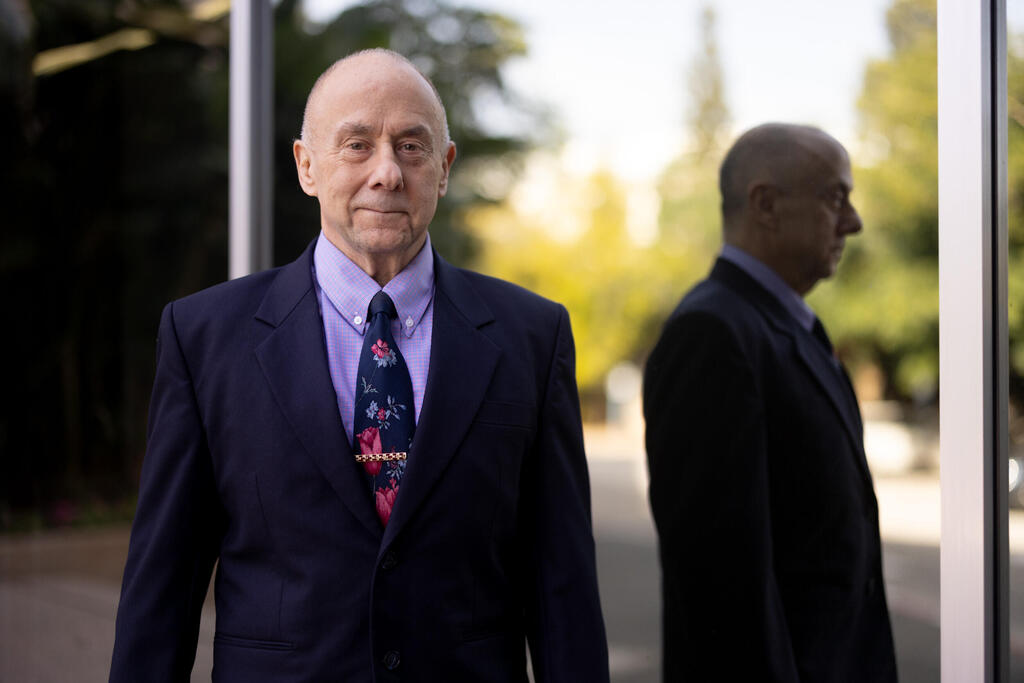
"This group has established a reputation for transforming cutting-edge innovation into high-volume manufacturing excellence," Tower CEO Russell Ellwanger said. "Together with the support of the Government of Japan, we will create a globally differentiated, advanced R&D and manufacturing center of excellence for Silicon Photonics, Silicon Germanium, and advanced optical packaging."
The first phase of the plan focuses on quickly increasing existing capacity. Tower will convert the Arai facility, formerly known as Fab 6, into a production site for 300mm Silicon Photonics and advanced packaging, while maximizing output from its existing Fab 7 facility in Uozu.
Tower expects this phase to reach full production readiness in the fourth quarter of 2027.
As part of the expansion, the company updated its business model and said it now expects to reach $3.6 billion in revenue and $1.2 billion in net profit in 2028.
The second phase involves constructing a new 300mm manufacturing facility adjacent to Fab 7. The company said the new site is expected to provide a "multi-fold" increase in Silicon Photonics and Silicon Germanium capacity and support growing demand from customers developing AI and data center applications.
The new facility is expected to begin making a significant financial contribution from 2029.
Tower said the two-track approach is designed to avoid the delays associated with building an entirely new semiconductor facility from scratch, allowing the company to expand capacity while relying on existing manufacturing expertise and customer relationships.
The announcement comes after a dramatic rally in Tower’s stock, driven by investor enthusiasm over the company’s positioning in AI-related semiconductor markets. Shares peaked at $316.85 on June 22 before falling to $229.68, leaving the company with a market value of about $26 billion. The decline has done little to erase the broader gains: Tower’s stock is still up nearly 90% this year.
Japan’s semiconductor push
After years of declining global influence in chip manufacturing, the Japanese government has been providing financial support to expand local production capacity and reduce dependence on overseas supply chains.
Tower said the expansion will strengthen semiconductor manufacturing capabilities in Japan while creating additional engineering and manufacturing jobs in the Toyama and Niigata regions, where its facilities are located.
The company said it plans to expand collaboration with local suppliers, universities and research institutions as part of the investment.
"By combining Tower's specialized technology leadership with Japan's unparalleled manufacturing expertise, world-class research institutions and deeply committed workforce, we are building a strategic platform that will drive innovation, economic growth and semiconductor leadership for decades to come," Ellwanger said.



