










Unit 8200 and Microsoft veterans raise $15 million Seed for cybersecurity startup Brava
The company is building AI technology that generates the telemetry an attack would leave behind without executing it, allowing organizations to test their defenses against threats they might otherwise miss.
Cybersecurity startup Brava Security has raised $15 million in a Seed funding round led by Pitango and F2, with participation from private investors, including senior executives from Anthropic, Microsoft and Check Point.
Founded in 2024, Brava is developing technology designed to help organizations identify cyberattacks that their existing security systems might miss. Its platform uses multiple AI agents to generate the digital traces, or telemetry, that an attack would leave behind in a specific organization's systems, without actually executing the attack. It then checks whether existing defenses detect that evidence and helps repair any gaps.
The company says its customers include Fortune 100 companies in the retail, energy and hospitality sectors, as well as Cushman & Wakefield and WELL Health, one of Canada's largest healthcare companies. Its platform is designed to deliver initial findings within 10 to 15 minutes of onboarding and integrates with Splunk, Google SecOps, CrowdStrike and more than 70 other data sources and destinations.
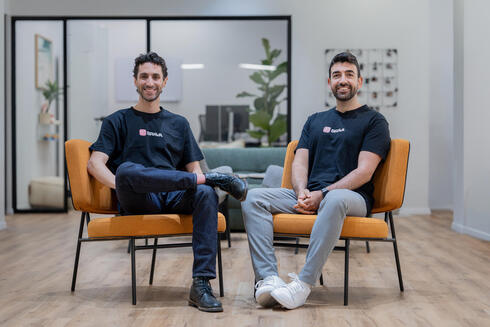
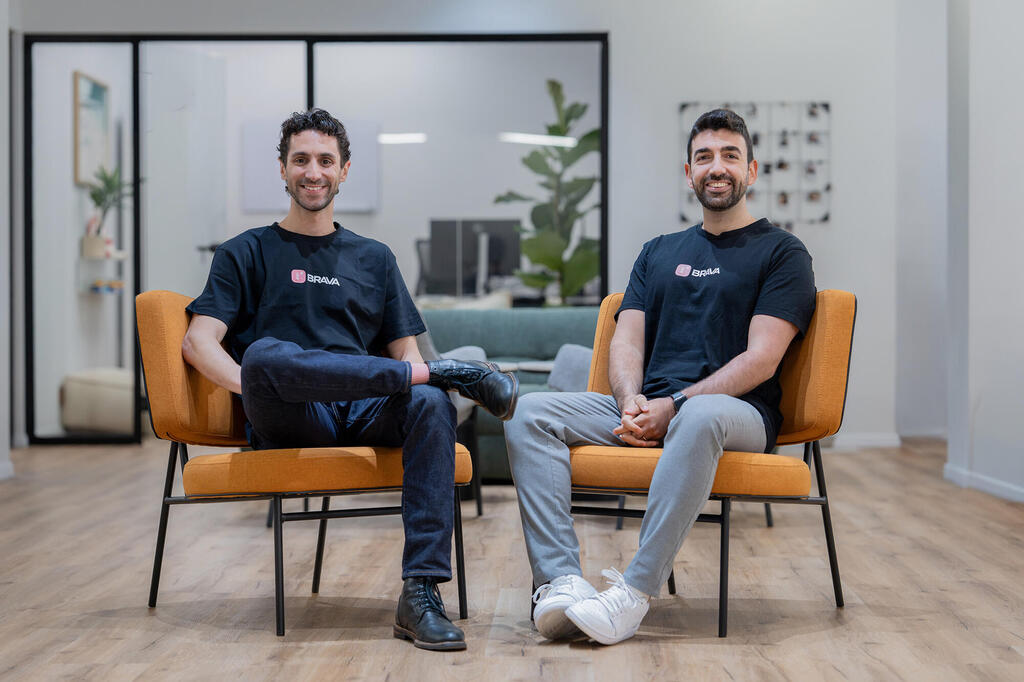
Brava was founded by CEO Idan Basre and CTO Itay Gabbay. Basre, a graduate of the Talpiot program, spent ten years in Unit 8200 as a cyber-threat researcher before joining Microsoft, where he led product management for Microsoft Defender. There, he saw how limited access to security data could prevent teams from effectively investigating incidents.
Gabbay served for seven years in the IDF, focusing on the development of artificial intelligence systems. His work included participation in a joint research initiative between Israel and DARPA, the research agency of the U.S. Department of Defense.
Brava employs approximately 20 people, including AI and cybersecurity researchers. It operates an R&D center in Israel and is expanding its commercial team in the U.S. The new funding will support further product development and commercial expansion across North America, with the company also preparing to pursue opportunities in financial services and government.
At the heart of Brava's technology is an attempt to address a basic weakness in corporate cybersecurity. Security teams increasingly rely on AI agents to investigate incidents and make decisions, but those systems depend on security logs and detection rules that organizations may not know are working properly. Critical activity may never be recorded, data pipelines can fail without notice, and detection rules may overlook the attacks they were designed to identify.
Brava's platform models attacker behavior and determines how specific techniques should appear in the telemetry generated across an organization's systems. It then checks whether existing security tools detect that evidence. When they do not, the platform can rewrite detection rules, address weaknesses in the collection and transmission of data to security information and event management (SIEM) systems, and verify whether the changes have worked.
The approach is intended to identify weaknesses even in defenses against attack techniques that have not previously been encountered. Rather than relying only on existing security configurations, Brava seeks to establish what evidence an attack should generate and whether an organization's systems are equipped to recognize it. The company says it can do this without requiring customers to replace their existing security infrastructure.
“Everyone is racing to put AI in charge of the SOC. You can't automate a decision based on evidence no one ever proved,” said Basre, referring to security operations centers. “We're solving the problem that comes before AI can make the right decision: making sure the security infrastructure actually sees the threats it's supposed to detect.”
“AI is dramatically changing the cyber-threat landscape and the way organizations are attacked; therefore, the way we defend them must also change,” said Yair Cassuto, a general partner at Pitango.