











Israel orders airborne laser system for fighter jets and helicopters
Elbit Systems says the system is designed to intercept ballistic missile threats. "The UAE is part of the current war with Iran and represents significant potential for our systems," said Elbit CEO Bezhalel Machlis, after the company reported a more than 16% increase in revenue to approximately $8 billion in 2025.
Amid the wars in Europe and the Middle East, Elbit Systems is closing out 2025 with the strongest financial performance in its history, reporting a more than 16% increase in revenue to approximately $8 billion, including about $2.15 billion in the fourth quarter.
While the company recorded growth across all areas of its business, the most striking figure is its order backlog, which rose to approximately $28 billion, a 24% increase compared with the end of 2024. According to Elbit, 72% of the backlog comes from international customers, and about 55% is expected to be realized during 2026 and 2027.
Against the backdrop of ongoing wars and geopolitical upheaval in the Middle East, 32% of Elbit’s revenue last year came from the Israeli market.
“Elbit’s systems, armaments and drones are currently deployed across all of the IDF’s combat fronts,” said the company’s president and CEO, Bezhalel Machlis, in a conversation with Calcalist.
Last November, Elbit reported the largest deal in its history, valued at $2.3 billion. The company described it only as a “strategic solution for an international client,” without disclosing further details.
Weeks later, the French publication Intelligence Online reported that the customer behind the deal was the United Arab Emirates. Elbit and Israel’s Ministry of Defense declined to comment.
Without addressing the specific report, Machlis said: “We have subsidiaries all over the world, including in the Emirates, and we maintain close relationships with all of them. The United Arab Emirates is part of the current war with Iran and represents significant potential for our systems.”
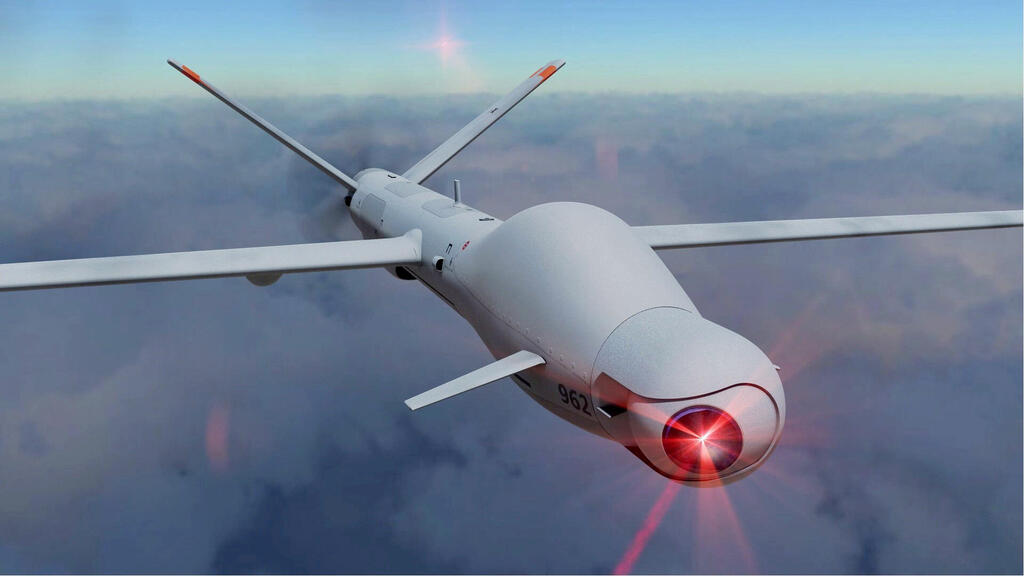
Machlis also pointed to advances in directed-energy weapons. According to him, the company made significant progress over the past year in developing an airborne laser system designed to intercept threats such as ballistic missiles.
“Last year, we received an order from the Ministry of Defense for a powerful laser system for fighter jets and combat helicopters,” he said. “Our advances in this field demonstrate only part of the capabilities we are developing, and over time we expect to introduce a new portfolio of products based on these technologies.”



