










Israel expands AI-driven warfare with $100 million Elbit deal
New contracts will develop fifth-generation command systems and AI-powered border defenses, aiming to accelerate sensor-to-shooter loops after lessons from two years of combat.
Elbit Systems has been awarded a series of contracts totaling more than $100 million to develop a new digital backbone for the Israel Defense Forces.
The agreements, granted by the Directorate of Defense Research & Development within the Israeli Ministry of Defense, will fund what officials describe as the fifth generation of the IDF’s digitization array. The systems are intended to connect headquarters, maneuvering forces, and attack units through a single multi-domain network spanning air, sea, and land.
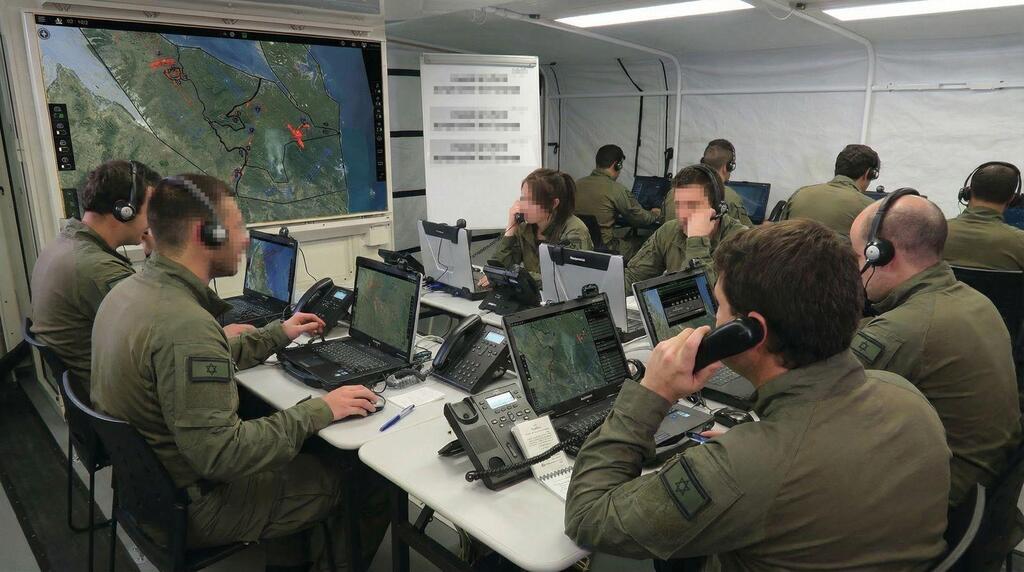
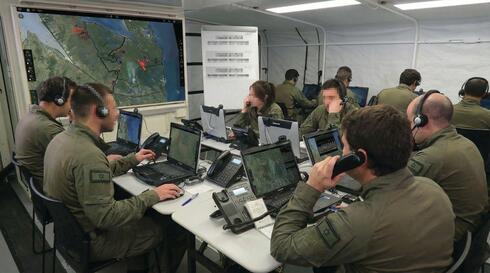
At the heart of the initiative is an effort to compress the time between detection and action on the battlefield. The program calls for “accelerated multi-service sensor-to-shooter and operational closing loops,” using advanced AI tools to support tactical and operational decisions. Tactical networks are to be expanded down to frontline units, while an open digital ecosystem is meant to allow rapid integration of new platforms and sensors.
The projects will be developed by joint teams from Elbit Systems, the ministry’s research directorate, and the IDF Ground Forces, drawing on Elbit’s existing digital warfare infrastructure rather than creating a completely new platform. Officials framed the approach as a way to translate technological advances quickly into operational capability.
Two major tracks anchor the effort. The first, known as “Tzayad” - the program for the Next Generation Digital Ground Army - is designed to deliver upgraded command and control tools across all echelons. The second, the Multi-Sensor Border Defense System (“MARS”), focuses on managing large arrays of sensors and effectors for border protection, incorporating what the ministry termed “lessons learned from the first digital war.”
The border system is slated to include AI-based capabilities for high-volume target detection and classification, broad multi-mission management, and connectivity across services. The emphasis on automated processing reflects the challenge of handling the flood of data produced by modern surveillance networks.
Elbit and military officials portrayed the contracts as part of a longer transformation of the IDF into a fully digital force. In a statement, Haim Delmar, general manager of Elbit Systems C4I & Cyber, said the programs would create “unique, world-leading capabilities in the fields of digital warfare and artificial intelligence” and enhance operational effectiveness on the modern battlefield.
From the military side, Colonel S., head of the Aderet Department in the Ground Technological Division, described the systems as “another significant leap in the IDF’s capabilities in the fields of C4I and digital,” adding that they represented “a direct implementation of the lessons learned from combat over the past two years.” He highlighted plans to deepen cooperation through high-intensity joint development and the establishment of a shared data factory, steps he said would enable “faster and more precise operational outputs.”



