








IL Tech in NY
“In the context of investing in cyber, Israel is the most important market to be active in”
Primary joined CTech as part of its IL Tech in NY series in collaboration with Israeli Mapped in NY.
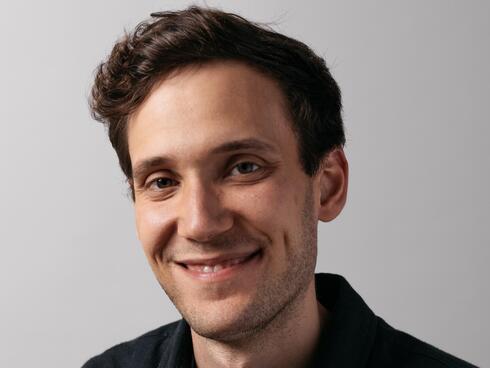
“In the context of investing in cyber, Israel is the most important market to be active in” says Tobias Citron, Partner at Primary. “LPs we talk to completely understand that and love the fact that we can invest in Israeli companies as part of sector-specific strategies.”
The VC firm joined CTech as part of its IL Tech in NY series in collaboration with Israeli Mapped in NY, a project spotlighting New York-based VCs and their perspectives on the Israeli tech ecosystem. Since opening its doors in 2015, Primary says it has grown into the largest seed-focused VC in New York and one of the leading seed platforms globally.
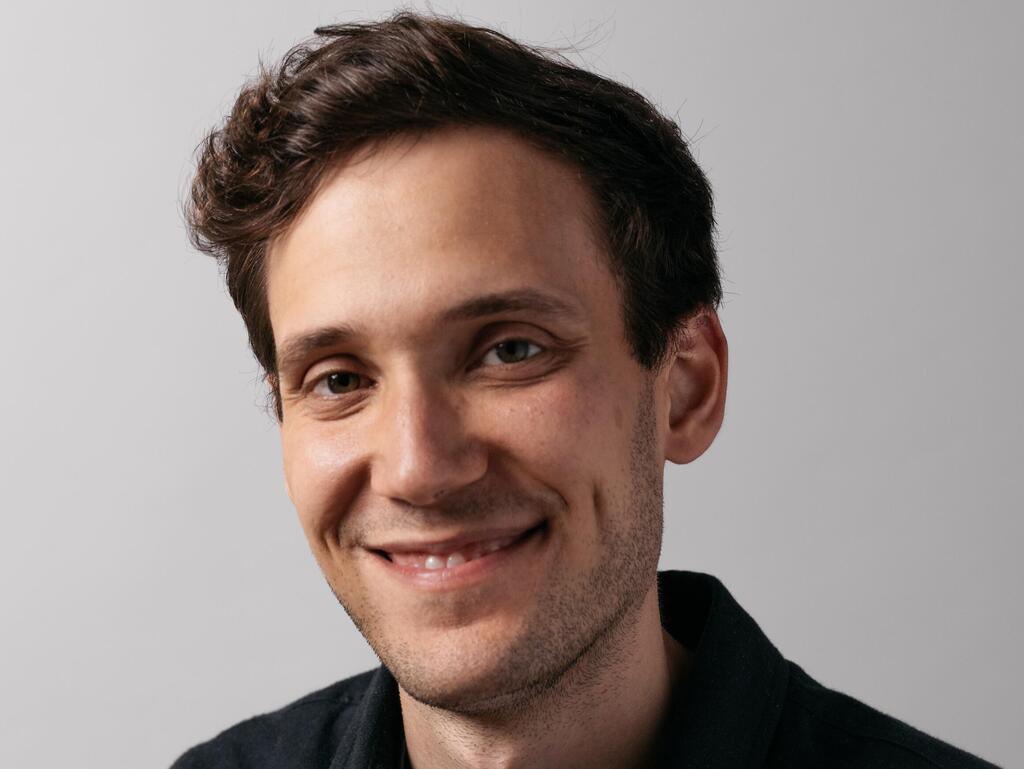
Looking ahead, Citron cautions that “Israeli founders cannot lose what has made them special for all these years: hustle, speed, and resilience.” He adds that as founders grow their businesses,” they must learn to become CEOs who build their companies responsibly, but Israeli founders can never lose their maniacal ‘founder mode’ mentality.”
You can read the entire interview below.
Fund ID
Name and type of VC: Primary - Seed and pre-seed
Main sectors of investment: Enterprise AI, vertical AI, healthcare, fintech, cyber, infrastructure, industrials, GTM
Names of managing partners: Brad Svrluga, Ben Sun
Partners and/or other backers: Primary is supported by a diverse network of institutional investors, family offices, and high-net-worth individuals who share our mission of identifying and backing high-growth startups in North America and Israel.
Year of Founding/Start of NY Operations: Tobias Citron (Partner)
Year of founding/start of NY operations: 2015
Total assets under management: $1.6B
Notable portfolio companies: Alloy, Etched, Dandy, Vestwell, K Health
General background on the organization, its managers, founders, and partners:
Primary is the biggest seed-focused VC in New York and one of the biggest seed platforms globally. Unlike other VCs of our scale, we focus just on the early stages – seed and pre-seed – and have built a 40 plus person portfolio support team dedicated to helping companies at the 0 to 1 stage.
The VC Vision:
We believe seed deserves a scaled, value-add platform, and Primary is that firm.
Following the turbulence of recent years and the stabilization of 2025, the Israeli ecosystem is entering a new era: The Evolutionary Leap. For "Israel Tech in NY 2026 project” CTech is challenging top investors to identify the critical leaps ahead – financial, technological, and mental – as we create a roadmap for a matured innovation hub, ready to redefine its impact on the global stage.
After a period defined by cash preservation, will 2026 see the reopening of the IPO window for Israeli tech, or will M&A remain the sole viable liquidity event?
The IPO window does appear to be opening, even if only slightly. That should be true for companies regardless of their geographic location, including Israeli companies. With that said, software companies without very compelling growth or a credible AI story will have a hard time IPO'ing and may be better M&A candidates.
Moving past the market correction, what is the single most critical metric (e.g. EBITDA, NRR, Rule of 40) that will drive premium valuations in 2026?
In an AI world, retention will be the most interesting metric to track. Everyone is worried about how real versus experimental AI revenue is, so companies with strong retention metrics that demonstrate actual stickiness and transcend the experimental budgets will be rewarded.
How is the 'Israeli Tech' asset class being effectively rebranded to global LPs in 2026? Are we shifting the narrative from 'Innovation' to 'Extreme Resilience'?
Investing in Israel is just a component of what we do, so it is not something we actively market to LPs. With that said, in the context of investing in cyber, Israel is the most important market to be active in, and LPs we talk to completely understand that and love the fact that we can invest in Israeli companies as part of sector-specific strategies.
As we transition from 'Copilots' to autonomous 'Agents,' which specific vertical will be the first to fully trust AI with independent decision-making and execution?
I think fully end-to-end, likely customer support and outbound sales. These are areas where interacting with AIs could become common or expected, so the end-user experience is not as much at risk. Of course, for more important customers and enterprise sales cycles, there will still be humans involved for a very, very long time.
Instead of complete end-to-end autonomy, what I think is more likely is automation of the initial grunt work, and then a final review by a human being managing the agents. I could see in the next 2-3 years this paradigm emerging for software development, financial analysis, legal, review, and more white collar work that happens with text on a screen.
With the rising focus on hardware-heavy sectors (Defense, Climate, Quantum), is the Israeli VC model adapted to fund high-CAPEX ventures, or will the ecosystem remain focused on capital-efficient software solutions?
The Israeli startup ecosystem has clearly gone global, and now has access to financial markets all across the world. Many Israeli companies' Series As and Series Bs are funded by U.S. firms, and so for capital intensive businesses, Israeli companies should be able to tap into the pockets of global investors used to these kinds of Capex models. As a result, I see no reason why more capital-intense businesses should not be born in Israel.
As Israeli founders in New York shift from 'Survival Mode' to 'Sustainable Scale,' is the famed Israeli agility and improvisational DNA still a competitive advantage, or does 2026 demand a radical shift towards disciplined, American-style corporate governance to win a check from a NYC based VC?
Israeli founders cannot lose what has made them special for all these years: hustle, speed, and resilience. Startups are about bending the odds, and doing things that are highly unlikely. People who drive extremely hard and move fast are most likely to be able to accomplish that. As founders grow their businesses, they must learn to become CEOs who build their companies responsibly, but Israeli founders can never lose their maniacal "founder mode" mentality.



