










“They condemn Israel publicly while quietly acquiring our air defense systems”
Israel is ramping up domestic weapons production as European governments tighten restrictions on trade with Israel, but defense companies warn that achieving even partial self-sufficiency will take years and billions of shekels.
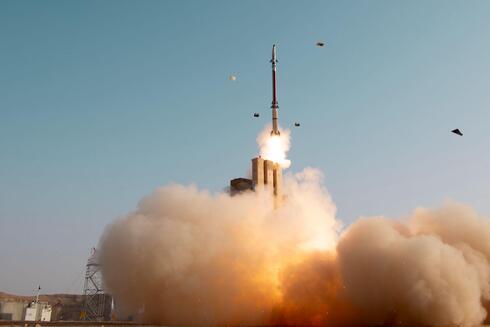
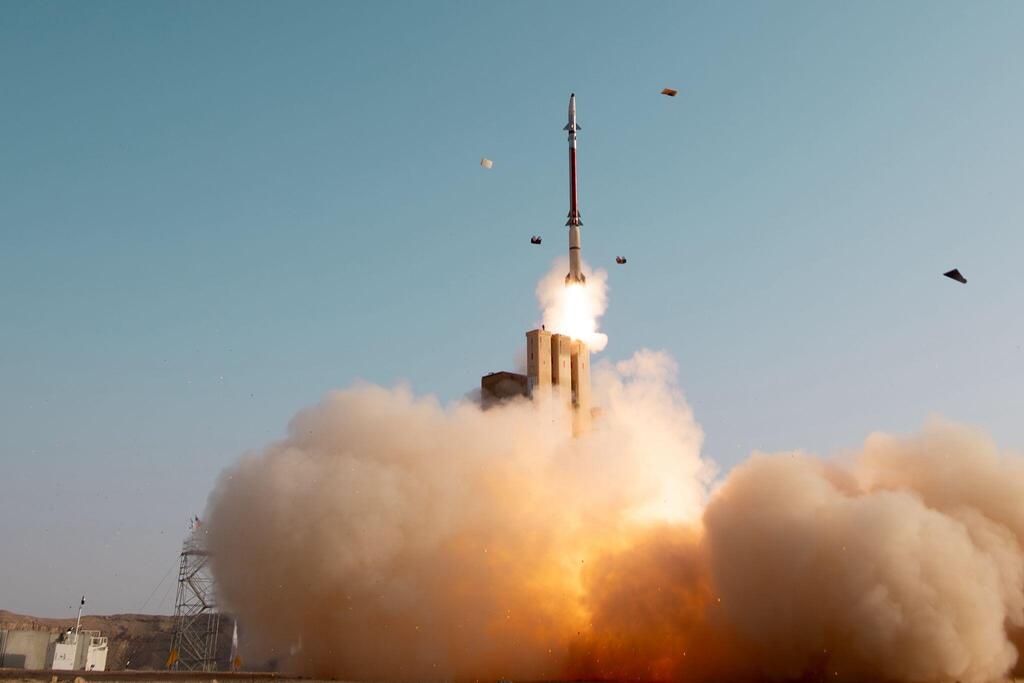
Israeli defense companies have ramped up production of weaponry essential to the IDF since the war began, including air defense missiles and other basic munitions. Among these are air-to-ground bombs that Elbit Systems began manufacturing under the “Blue and White” program developed by Ministry of Defense Director General Amir Baram. Several billion shekels have already been invested in the program, which also includes stockpiling vital components.
But the defense establishment estimates that achieving greater independence will take years and require a steady flow of massive funding. Even then, officials say, the independence Israel seeks will be only partial, focusing on creating redundancy for specific types of critical munitions and components.
For now, the money needed to finance the continued military buildup has yet to arrive, amid prolonged budgetary disputes between the Ministry of Defense and the Ministry of Finance. Prime Minister Benjamin Netanyahu’s plan to add approximately NIS 400 billion to the defense budget baseline through a multiyear program spanning at least 13 years has not been approved. Decisions on the plan will be left to the next government.
The impasse persists even as the Ministry of Defense and the IDF seek an additional NIS 40 billion for the 2026 defense budget. Progress on the request has been slow. Only about two weeks ago did the Knesset Finance Committee approve the transfer of NIS 15 billion to the defense budget, despite the decision to make the transfer having been reached back in June.
The actual transfer still requires approval from the Subcommittee on the Defense Budget, which is expected to convene this week. A decision on transferring an additional NIS 25 billion will only be made in the coming months, depending on the scope of IDF expenditures.
If approved, the additional funding would bring Israel’s defense budget to an unprecedented NIS 183 billion.
All this is taking place while the Ministry of Defense’s outstanding debts to the country’s three largest defense companies, Rafael, Israel Aerospace Industries and Elbit Systems, total more than NIS 17 billion.
“At the current pace of budget flows, it is impossible to be ‘Super Sparta,’ or even ‘Half-Sparta,’” a senior executive at a major defense company told Calcalist. “Mass production of weapon systems and critical components requires structured, multiyear orders. These would enable defense industries to purchase new robots and production machinery, recruit and train large numbers of workers, and stock up on vast quantities of raw materials, all while the entire world is engaged in an arms race and demand for components needed to manufacture weaponry is at an all-time high.”
Defense industry players are concerned about the hardening stance of European countries toward Israel, but they also point to the scale of Israel’s defense exports in recent years.
In 2025, Israeli defense exports reached an all-time high of $19.2 billion, with Europe accounting for 36% of the total.
“As long as European nations are arming themselves against growing threats from Russia, they will continue to condemn us publicly while quietly acquiring our air defense systems,” a defense industry source told Calcalist.
“The impact will be felt in areas where Israel lacks a unique advantage over other global industries, such as drones, which can be purchased elsewhere, at least until European countries ramp up their own weapons manufacturing capabilities and, within a few years, emerge as major players in the global market.”



