









Military shipbuilding drives Israel Shipyards' profit up 77%
Revenue rose 8% to NIS 458.6 million in the third quarter, while operating profit more than doubled. The company's order backlog climbed to approximately NIS 2.7 billion, boosted by military vessel contracts and growing international demand.
Israel Shipyards Group continued to expand its operations in the third quarter of 2026, driven primarily by military vessel construction, port activities and its building materials business. Revenue rose 8% to NIS 458.6 million, while operating and net profit grew at a significantly faster pace.
Operating profit surged 124% year over year to NIS 29.9 million, while net profit attributable to shareholders increased 77% to NIS 15.9 million. The company is controlled by businessmen Shlomi Fogel and Samy Katsav, the Schmelzer family and the Gold Bond Group, each of which holds a 20% stake.
For the first nine months of 2026, Israel Shipyards' revenue totaled NIS 1.304 billion, up 12.3% from the corresponding period last year. Operating profit climbed 154.5% to NIS 78.3 million, while net profit attributable to shareholders nearly doubled to NIS 42 million, compared with NIS 21.3 million a year earlier. EBITDA (earnings before interest, taxes, depreciation and amortization) rose approximately 42% to NIS 176.8 million.
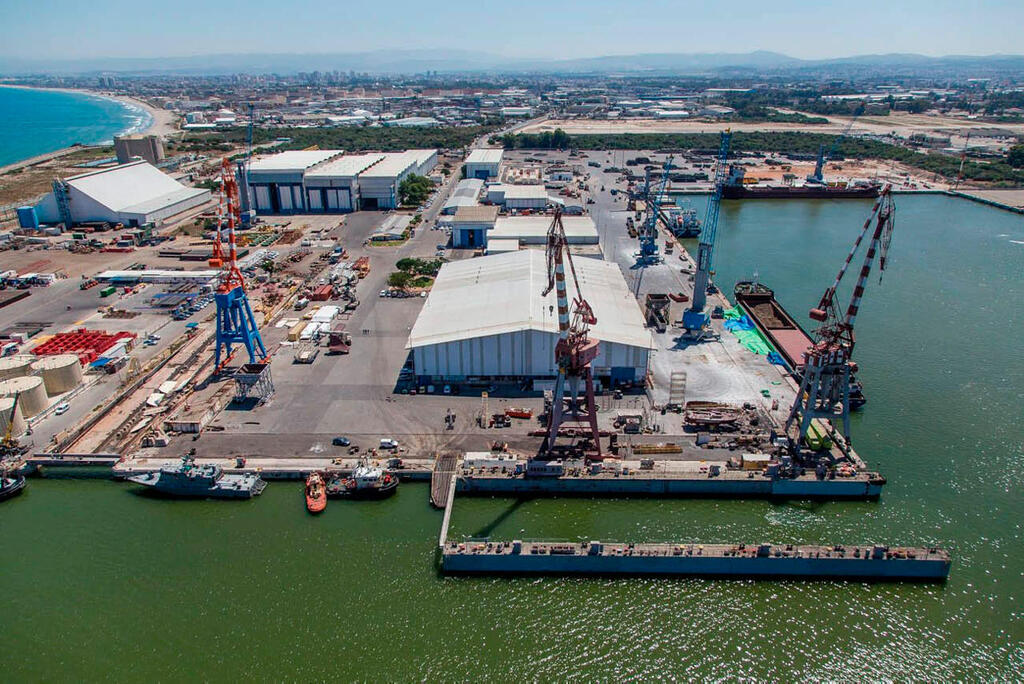
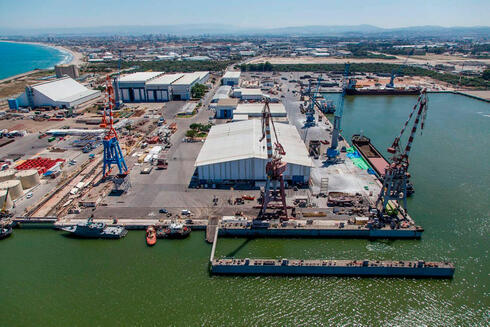
The shipyard was the group's main growth engine during the first nine months of the year. Revenue from the segment increased 69% to NIS 318.5 million, driven by progress on the Reshef project and the start of a contract to supply four vessels to an overseas government customer. The contract is valued at approximately $62 million.
The Reshef project is expected to reach peak activity in 2027 and 2028, and the company anticipates that its contribution to financial results will continue to increase in the coming years.
In October, Israel Shipyards signed another agreement, this time to supply vessels and services to the government of Cyprus. The deal, valued at approximately €80 million, was facilitated through the Israeli Ministry of Defense, with deliveries expected to take place over approximately 30 months. Both contracts strengthen the shipyard's position in the international defense market.
The shipyard's order backlog stood at approximately NIS 2.46 billion at the end of September and had climbed to around NIS 2.735 billion by the time the financial report was published.
Port operations also improved. Revenue from the segment rose approximately 14% to NIS 154.5 million in the first nine months, partly due to the availability of an additional pier and an increase in the volume of unloaded cargo. A change in the composition of cargo handled also contributed to improved profitability.
During the third quarter, imports of general cargo to Israel declined, partly against the backdrop of the war between Russia and Ukraine. However, increased unloading of other types of cargo helped offset the impact.
One of the group's key infrastructure projects is its new silo facility, whose construction was completed in 2025 and which began trial operations in early 2026. The facility is designed to provide a more efficient alternative for grain unloading and compete with the nearby Dagon Silos. According to the report, it was still in the trial phase as of September 30, and its contribution to the group's financial results is expected to become apparent at a later stage.
The construction materials segment, which includes the operations of Ciment, remains the group's largest source of revenue. Third-quarter revenue from the segment rose 4.5% to NIS 284.3 million, while segment profit increased 22.1% to NIS 34.6 million.
The improvement was driven by higher average cement selling prices, the strengthening of the shekel and an accounting impact related to the renewal of a lease agreement for a cement transport vessel. These gains were partially offset by rising raw material costs.
Alongside the improvement in operating performance, financing expenses also increased. In the first nine months of the year, net financing expenses totaled NIS 20.7 million, compared with NIS 2.2 million in the corresponding period last year. In the third quarter alone, they reached NIS 6.1 million, up from NIS 328,000 a year earlier. The company attributed the increase to higher interest expenses on loans, bonds and commercial paper, as well as exchange-rate differences.
The group's cash and short-term investments totaled approximately NIS 708.3 million, while shareholders' equity stood at approximately NIS 974.5 million. Cash flow from operating activities reached NIS 218.3 million in the first nine months, compared with NIS 20.2 million in the corresponding period last year.
The company has also expanded its financing sources. In July, it raised NIS 200 million through its first bond issuance, at an annual interest rate of 4.2%. The offering attracted demand of approximately NIS 970 million.
Israel Shipyards is also pursuing growth opportunities outside Israel. Among other initiatives, it has submitted a bid for a 51% stake in the port of Lavrion in Greece and invested in Aeronous Systems, a developer of solutions for intercepting unmanned aerial vehicles.
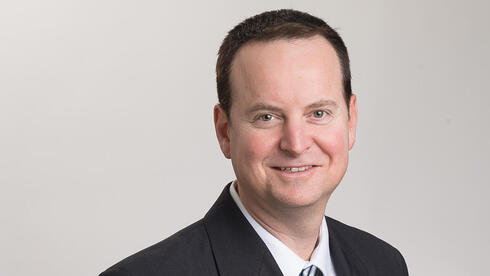
Zvika Shechterman, CEO of Israel Shipyards Industries, said the company expects its growth trend to continue and is examining the possibility of expanding its vessel production operations beyond Israel.
The challenge will be to convert its growing order backlog and investments into sustained profitable growth, while managing higher financing costs and bringing major infrastructure projects into full operation.



