










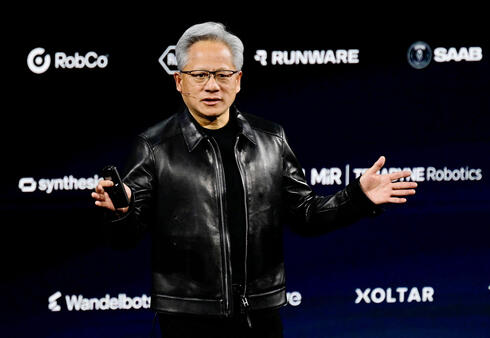
Jensen Huang admits affair as Nvidia investigates alleged Chinese spy operation
The Nvidia CEO apologized to his family and employees in an email. The company's board says it has no reason to believe that trade secrets or national-security information were compromised.
Nvidia's board has opened an independent investigation into whether CEO Jensen Huang was targeted by a foreign intelligence operation, following reports that a Chinese intelligence agency recruited a businesswoman who had a personal relationship with the billionaire executive. Huang has acknowledged being unfaithful to his wife in a message to employees, while insisting that the relationship did not involve the sharing of sensitive company information.
The investigation places the head of the world's most valuable chipmaker at the center of an increasingly sensitive national-security controversy, with potential implications for Nvidia's dealings with China and Washington's efforts to restrict Beijing's access to advanced artificial intelligence technology.
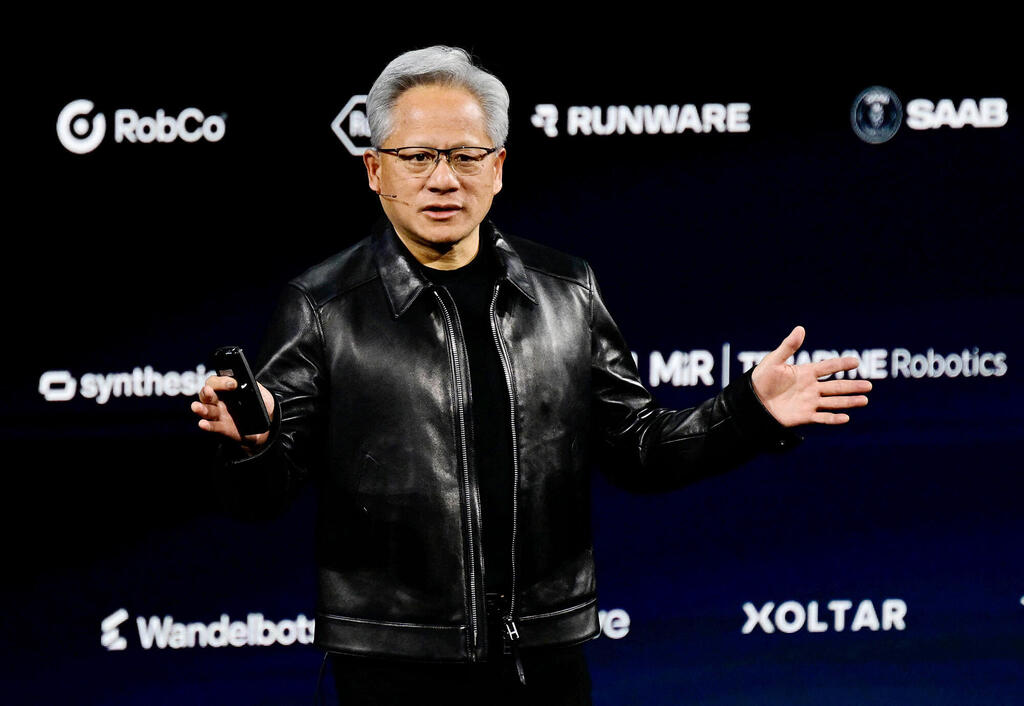
In a statement on Sunday, Nvidia said its board was initiating an independent inquiry into reports that Huang had been the target of a foreign intelligence effort. A committee of independent directors, assisted by outside legal counsel, will oversee the review.
The board said that U.S. national and economic security were paramount to Nvidia and its shareholders, but emphasized that it currently had no reason to believe that either national security or the company's confidential information had been compromised.
“While the Board has no reason to believe that either national security or NVIDIA secrets were compromised, the Board's inquiry will examine all available information,” the company said. “Jensen fully supports the review and has committed to cooperating with it.”
Nvidia also expressed confidence in Huang and his leadership team.
The announcement followed reports that Alice Huang, an executive at Singapore-based technology company Megaspeed, had been recruited by China's Ministry of State Security to gather information on Jensen Huang and potentially influence his position on U.S. restrictions on advanced chip exports to China. The allegations were based on an intelligence memo circulated among senior officials in the Trump administration, according to reporting by The New York Times and the Financial Times.
The reported intelligence operation was aimed at gaining access to information about Nvidia and potentially persuading its chief executive to lobby for greater access to the company's most advanced chips for Chinese customers. Megaspeed, which buys Nvidia chips, has also come under scrutiny from U.S. authorities over suspicions that it helped Beijing obtain advanced processors restricted from export to China.
“I was unfaithful to my wife. My actions hurt her and our children. There is no excuse for what I did,” Huang wrote in his email. He also accepted responsibility for the damage to the trust of employees, the board and shareholders, and said he would work to regain their confidence.
Huang maintained that the relationship was personal and that no proprietary technical information, trade secrets or national-security-sensitive material had been shared. Nvidia has previously said that Huang's interactions with Alice Huang were not unusual and that the company does not share classified information with customers.
The controversy has already drawn the attention of Congress. On November 5, the chairmen of three Republican-led House committees requested that Huang appear for a closed-door briefing on November 18. The request came from Brian Mast, chairman of the House Foreign Affairs Committee; John Moolenaar, chairman of the Select Committee on China; and Rick Crawford, chairman of the House Intelligence Committee.
The lawmakers want Huang to address his interactions with Alice Huang and explain Nvidia's safeguards against espionage by foreign adversaries. In their letter, they cited concerns about China's potential access to sensitive U.S. technology and information, saying Congress needed to establish whether American national security had been put at risk.
The committees asked Huang to confirm his availability by November 11 or propose an alternative date. The request is not a public finding that Nvidia's technology or national-security information was compromised.



