










Israel budget deadlock could freeze interceptor missile orders from Rafael and Israel Aerospace Industries
Officials say budget impasse could halt new shell production orders for Elbit Systems and disrupt procurement of air defense interceptor missiles from Rafael and IAI.
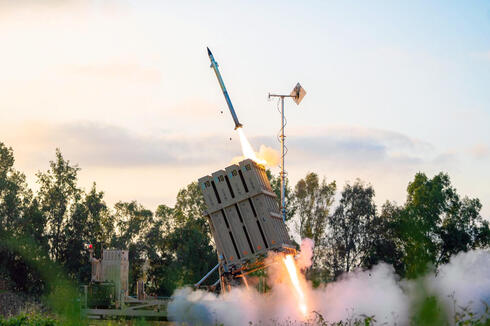
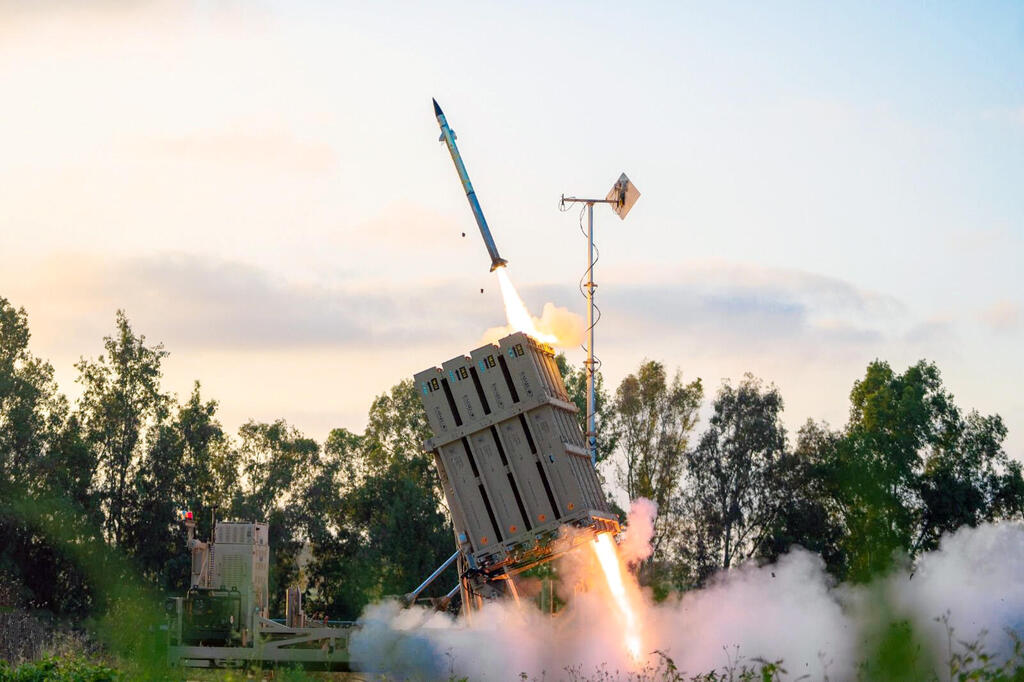
The Defense Ministry has warned that starting in the coming days it may be unable to place new production orders with Elbit Systems, which manufactures artillery shells for the IDF, and that it may also be unable to order additional interceptor missiles from Rafael and Israel Aerospace Industries for Israel’s air defense systems. The warning underscores a deepening financial dispute that is already beginning to affect the defense production chain in the midst of war.
The warning comes against the backdrop of an escalating budget crisis between the Defense Ministry and the Ministry of Finance over Israel’s 2026 defense budget. Despite mutual suspicion in negotiations, an emerging understanding could partially resolve the dispute, centered on increasing the defense budget by at least 40 billion shekels ($13.3B), from 144 billion ($48B) to 184 billion shekels ($61.3B).
The Defense Ministry, however, has raised its 2026 demand to approximately 188 billion shekels ($62.7B), citing the cost of maintaining IDF deployments in three security zones, in Lebanon, Syria, and Gaza, as well as ongoing procurement of weapons and replenishment of depleted stockpiles following the October 7 war.
The ministry is also facing an unprecedented debt burden of roughly 15 billion shekels to Israel Aerospace Industries, Rafael, and Elbit Systems, accumulated over recent months due to delayed payments for ongoing procurement.
Senior IDF and Defense Ministry officials argue that the budget demands reflect operational necessity in a multi-front war, including the need to replenish ammunition stockpiles and sustain extended reserve duty deployments. This comes amid continued strain on manpower and ongoing ultra-Orthodox non-enlistment, which the military says intensifies reliance on reservists.
Sources in the Ministry of Finance say their willingness to support most of the requested increase depends on a strict condition: no additional defense budget expansions during 2026. Officials describe the proposed increase as the final adjustment for the current fiscal cycle.
The Treasury plans to fund the increase using existing budget reserves, without breaching the fiscal framework or raising the deficit target. One official said, “There is still no final agreement. We need to ensure this ends the defense budget escalation for this year.”
At the same time, Treasury officials have criticized the Defense Ministry’s financial management since the outbreak of war, describing the defense budget as a “black hole” and calling for greater efficiency. The current request is the second major expansion since the war began, following an earlier increase of 32 billion shekels that brought the budget to its current level.
Despite ongoing discussions between Prime Minister Benjamin Netanyahu, senior defense officials, and the Treasury, no resolution has been reached. To mediate, Netanyahu has appointed Shmuel Ben-Ezra, the new head of the National Security Council, who assumed office about a month ago after an eight-month vacancy following the departure of Tzachi Hanegbi.
Defense officials warn that without immediate budget clarity, industrial bottlenecks may emerge across Israel’s defense production ecosystem. They describe risks of stagnation and operational paralysis during wartime, citing shortages of raw materials and delays in procurement.
The concern is compounded by the Defense Ministry’s inability to maintain stable payment schedules to defense contractors, raising fears that production lines for ammunition and missile interceptors could be disrupted.
According to defense officials, each day of combat across multiple fronts costs between 100 million and 130 million shekels, a figure that continues to rise as operations expand and reserves are repeatedly mobilized.
The combination of prolonged warfare, budget uncertainty, and delayed procurement has intensified concern in both ministries that current funding arrangements may not sustain long-term operational readiness.
With the Knesset expected to dissolve in the coming weeks ahead of elections, officials warn that political uncertainty could further delay budget approval, making it significantly harder to transfer tens of billions of shekels to the defense establishment.



