










Arrow 3 and Barak MX motor maker raises $180 million for expansion
Tomer secured long-term financing through an institutional bond issuance, without becoming a publicly traded company. The state-owned defense contractor is projected to generate NIS 850 million in sales in 2026.
Tomer, a state-owned defense company that manufactures rocket motors, has raised NIS 600 million ($180M) in debt through an initial tender. The fundraising was led by the Government Companies Authority and Tomer’s management. The bonds carry an interest rate of 3.23% and have a 13-year term.
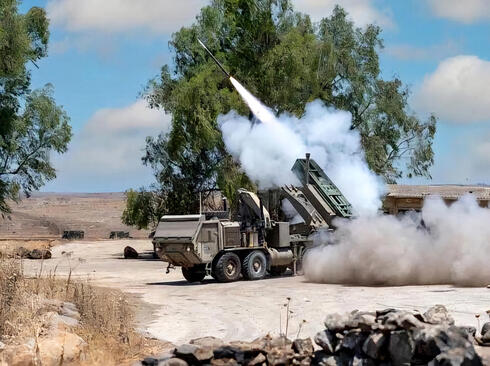
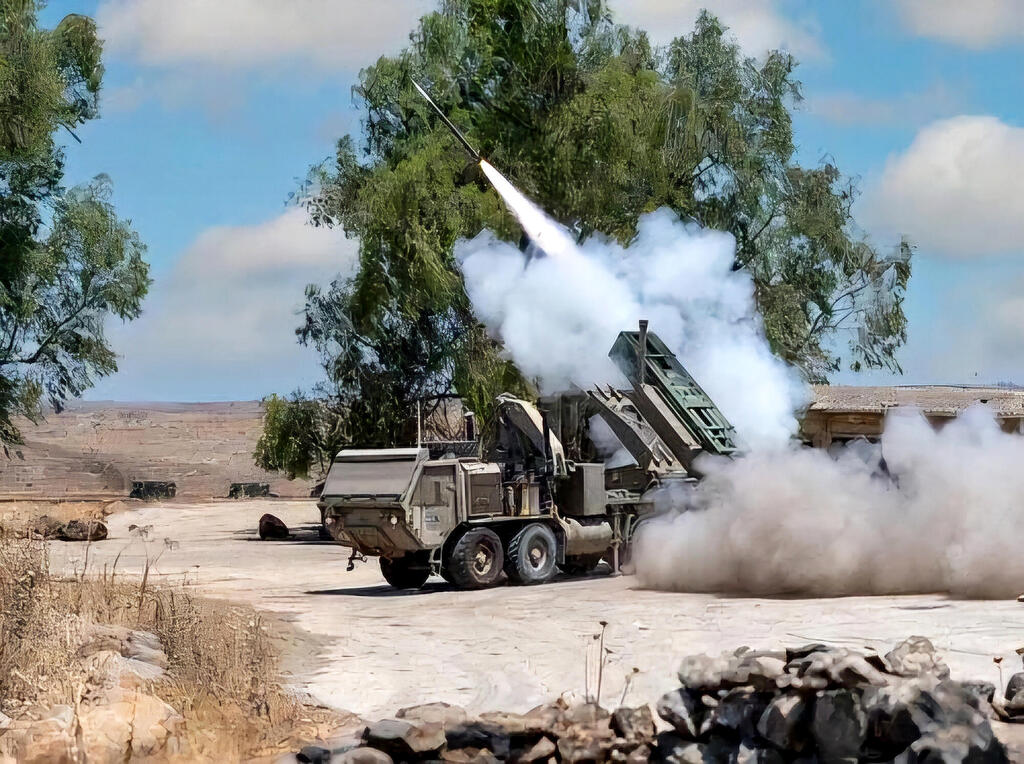
The proceeds are intended to finance the expansion of Tomer’s operations. The company manufactures motors for the Arrow 3 and Barak MX air-defense systems, as well as for the artillery rockets used in Elbit Systems’ PULS launchers. It also produces motors for Shavit launch vehicles, which Israel’s defense establishment uses to send reconnaissance satellites into space.
In recent weeks, credit rating agency S&P Maalot assigned Tomer an AA+ rating, reflecting the significant business opportunities available to the company in the global defense market. Tomer is projected to end 2026 with sales of approximately NIS 850 million, an increase of more than 30% from 2025.
The fundraising process concluded this evening through a bond issuance under the “Institutional Sequence” (Ratzef Mosadiyim) framework, a mechanism similar to one used by Rafael. It allows Tomer to raise debt without becoming a publicly traded company or being subject to the disclosure requirements imposed on listed companies. The structure was chosen in part because much of Tomer’s business is classified.
Tomer was established about a decade ago as part of the privatization of Israel Military Industries (IMI) and its subsequent sale to Elbit Systems. IMI’s rocket propulsion operations and missile engine production, considered a unique national center of expertise, were excluded from the deal and remained under state ownership.
Growing demand for missile systems, driven by an arms race in Israel and around the world, has prompted Tomer to expand its production lines and increase its workforce to approximately 1,000 employees. The expansion comes amid the IDF’s procurement of Arrow missiles and their sale to Germany in two deals with a combined value of approximately $7 billion.
Since the beginning of the year, Tomer’s sales have reached approximately NIS 850 million ($254 million), about NIS 150 million ($45 million) above its target. By 2030, the company aims to increase sales to approximately NIS 1.8 billion ($539 million) and expand its workforce to 1,400 employees. Maayan Harel, deputy director of the Government Companies Authority, has set a target for Tomer Chairman Roni Moreno, CEO Dotan Gabay and other senior executives to raise at least NIS 300 million ($90 million) by the end of the year. Meeting the target would allow for an increase of up to 20% in executive bonuses.
Tomer recently announced that it would distribute a NIS 38 million ($11.4 million) dividend to the state, equivalent to half of its cumulative net profit for 2024 and 2025. During its first years of operation, the company was exempt from paying dividends under a provision designed to protect fledgling companies.



