








XTEND lays off 10% of workforce after losing 75% of its value since $1.5 billion NYSE debut
The Israeli drone maker is now valued at approximately $350 million, down from $1.5 billion when it began trading in New York two months ago. The cuts come as XTEND prepares to complete a reduced private financing deal and reports rising revenue alongside mounting losses.
Israeli drone manufacturer XTEND is laying off approximately 10% of its workforce, two months after beginning to trade on the New York Stock Exchange at a valuation of $1.5 billion. Its market value has since fallen to approximately $350 million, a decline of over 75%.
The restructuring comes as the company prepares to receive the final installment of a private investment agreement that was part of its merger with JFB Construction Holdings, the publicly traded real estate company through which XTEND entered the public market. The original plan called for an investment of $152 million, but the final amount was reduced to approximately $100 million. XTEND had already received $42 million when the merger agreement was signed, in the form of a Simple Agreement for Future Equity (SAFE), which converts into shares at a future valuation. A further $60 million is expected to be transferred to the company in the coming days.
Unlike a traditional initial public offering, the merger did not involve raising capital from the general public. Instead, XTEND secured funding through an investment agreement with a group of private funds.
In a statement, XTEND said: “Following the completion of its NYSE listing and significant commercial progress, including a major contract valued at $40.5 million as part of the Drone Dominance Program (DDP), XTEND AI Robotics, Inc. has begun adjusting its operational structure as part of a strategy to enhance operational efficiency.”
The company said the restructuring is intended to streamline costs, focus resources and create a more targeted organization capable of supporting long-term growth. The changes will affect its robotics operations, investments in the XOS platform, which serves as the software and operating layer for autonomous systems, and the development of XOS-based robotic platforms. XTEND also plans to focus on expanding its production and delivery capabilities.
The job cuts come as XTEND seeks to scale a business that has grown rapidly but remains loss-making. The company generated approximately $20 million in revenue in 2025, an increase of 20% from the previous year, while its net loss widened from $17 million in 2024 to $27 million last year. Revenue reached $5.8 million in the first quarter of 2026, up 234% from the corresponding period a year earlier, but the company’s loss more than doubled to $11.5 million, compared with $5.7 million.
Related articles:
According to a recent company update, XTEND is projected to generate $25 million in revenue during the first nine months of 2026. It also reported an order backlog of $84 million in its robotics business. The company has not disclosed how much of that backlog has already been converted into revenue or when the orders are expected to be fulfilled.
The workforce reduction follows a period of expansion. XTEND employs 267 people, approximately 60% of them in Israel, and has acquired two companies over the past two years, one in Latvia and the other in Singapore, as it sought to broaden its product portfolio.
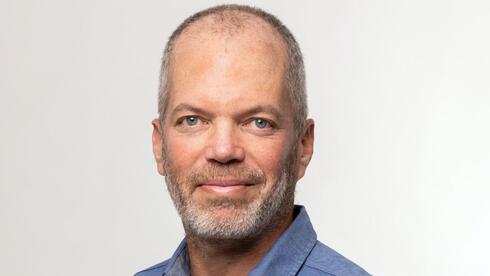
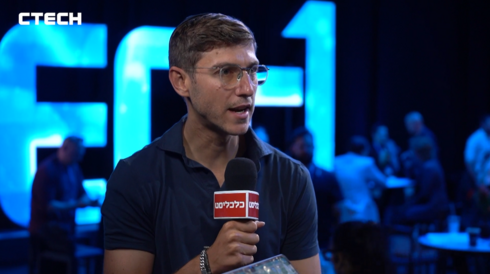
Founded in 2018 by brothers Aviv Shapira, the company's CEO, and Matteo Shapira, its CXO, alongside CTO Rubi Liani and CQO Adir Tubi, XTEND began as a gaming venture. The Shapira brothers had previously founded REPLAY, a company that was sold to Intel for $200 million. Their initial idea was to develop games using drone operating-system technology, but the founders soon saw applications beyond entertainment.
Even before October 7, when incendiary balloons and other airborne threats were a recurring concern along the Gaza border, the company had begun exploring how its technology could be used in real-world operations. It has since developed XOS into an operating system for autonomous robotic workforces, spanning drones and other robotic platforms.
Aviv Shapira has described the company's business as sitting at the intersection of three major technology sectors: robotics, artificial intelligence and drones.
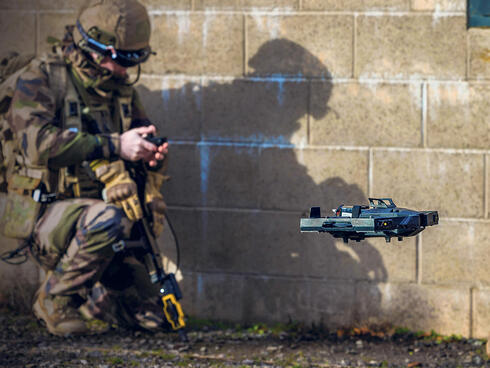
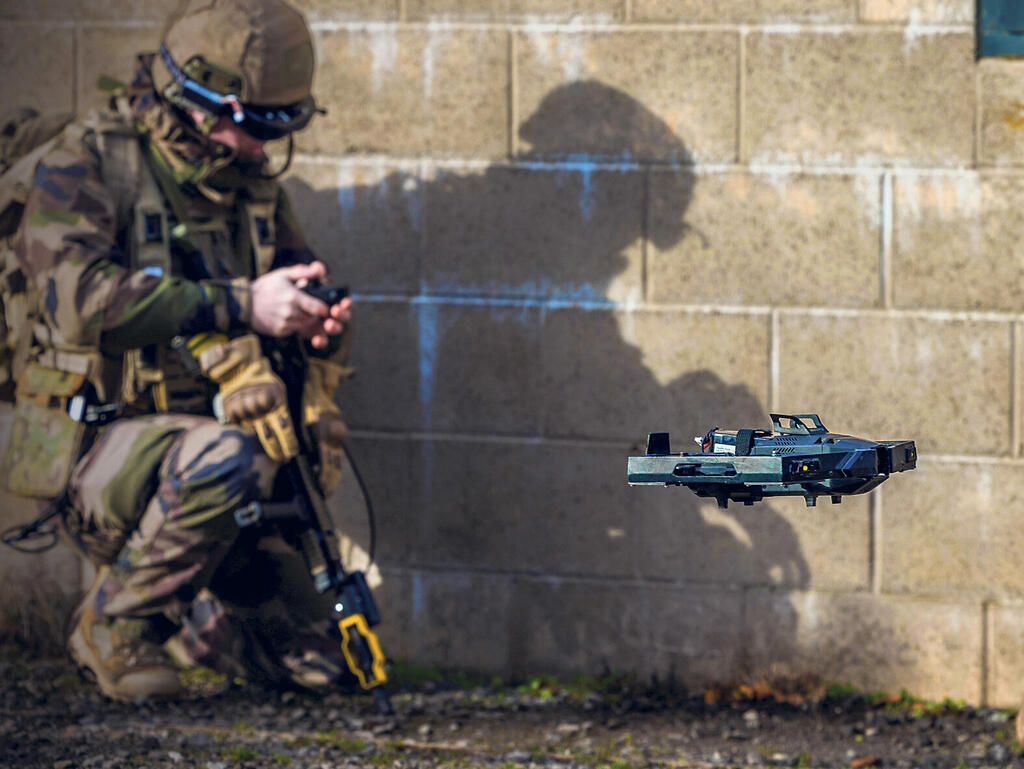
The company’s most prominent recent commercial milestone was a $40.5 million order from the U.S. military for 6,000 STRIKER drone systems under the Pentagon’s $1 billion Drone Dominance Program. The order followed XTEND’s selection as a top performer in the program’s second stage. Further orders are not guaranteed, however, and additional contracts depend on the company's performance in subsequent evaluations.



