24/7
Buzz
Startups
VC
AI
Innovation
Opinions
Events
Promising Startups 2026
2026 VC Survey
Boarding Pass
CTalk
BiblioTech
Corporate
Appointments
Tech Gateways
@Finance
Ctech Testimonials
Projects
About
Newsletter
Contact us
Facebook
Twitter
ACCESSIBILITY
by
Homepage
Wolves
Tags search
HOME
24/7
buzz
STARTUPS
VC
AI
Innovation
OPINIONS
EVENTS
Projects
ABOUT
teram of use
Privacy Policy
NEWSLETTER
SEARCH
CONTACT US
ACCESSIBILITY
24/7
Headlines
21:42
Zim $4.5 billion bidder faces foreclosure on his home
21:25
NextVision insiders cash out $200 million in share sale
21:14
"If an engineer in Ireland costs 20% less, it is clearly part of the consideration when deciding where to expand"
20:27
Electra Real Estate CEO: “The $7 trillion US rental housing market is the place to be”
More stories
Buzz
Most popular
Daily
Weekly
1
Jewish family from Mexico donates NIS 200 million to establish Israel's largest rehabilitation hospital
2
After raising $20 million, collapsed startup Swish.ai sells to Unframe for just $150,000
3
Echo: “Employees have become very good at identifying performative culture”
4
After PTSD and years of insomnia, Israeli founder raises $6.5 million to improve sleep through scent
5
Israeli unicorn AppsFlyer in advanced talks for $1-2 billion sale
More news
Wolves
2 stories about Wolves
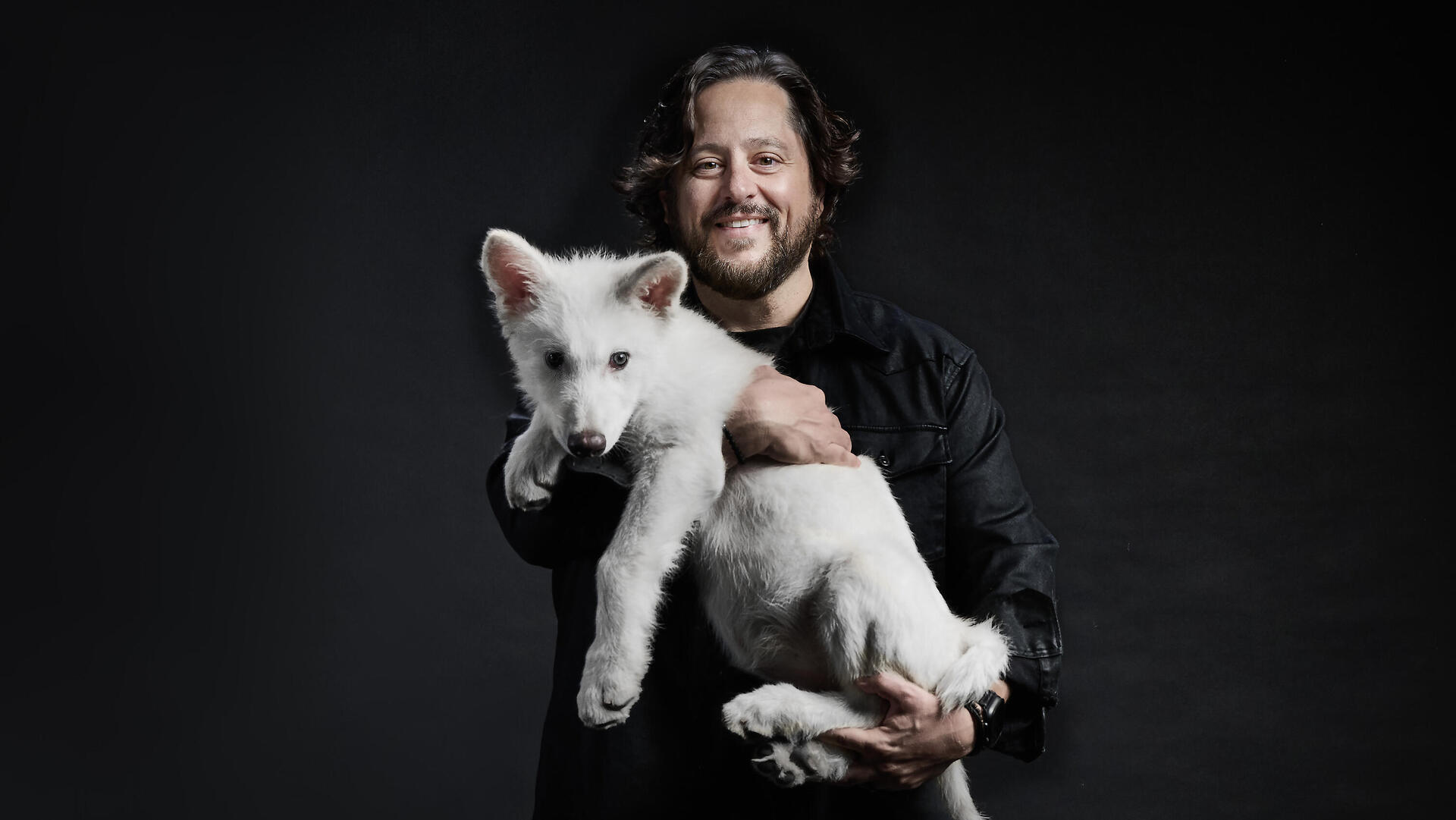
"We took a 73,000-year-old fossil and created puppies from it. It's just magic"
02.06.25
|
Roni Dori
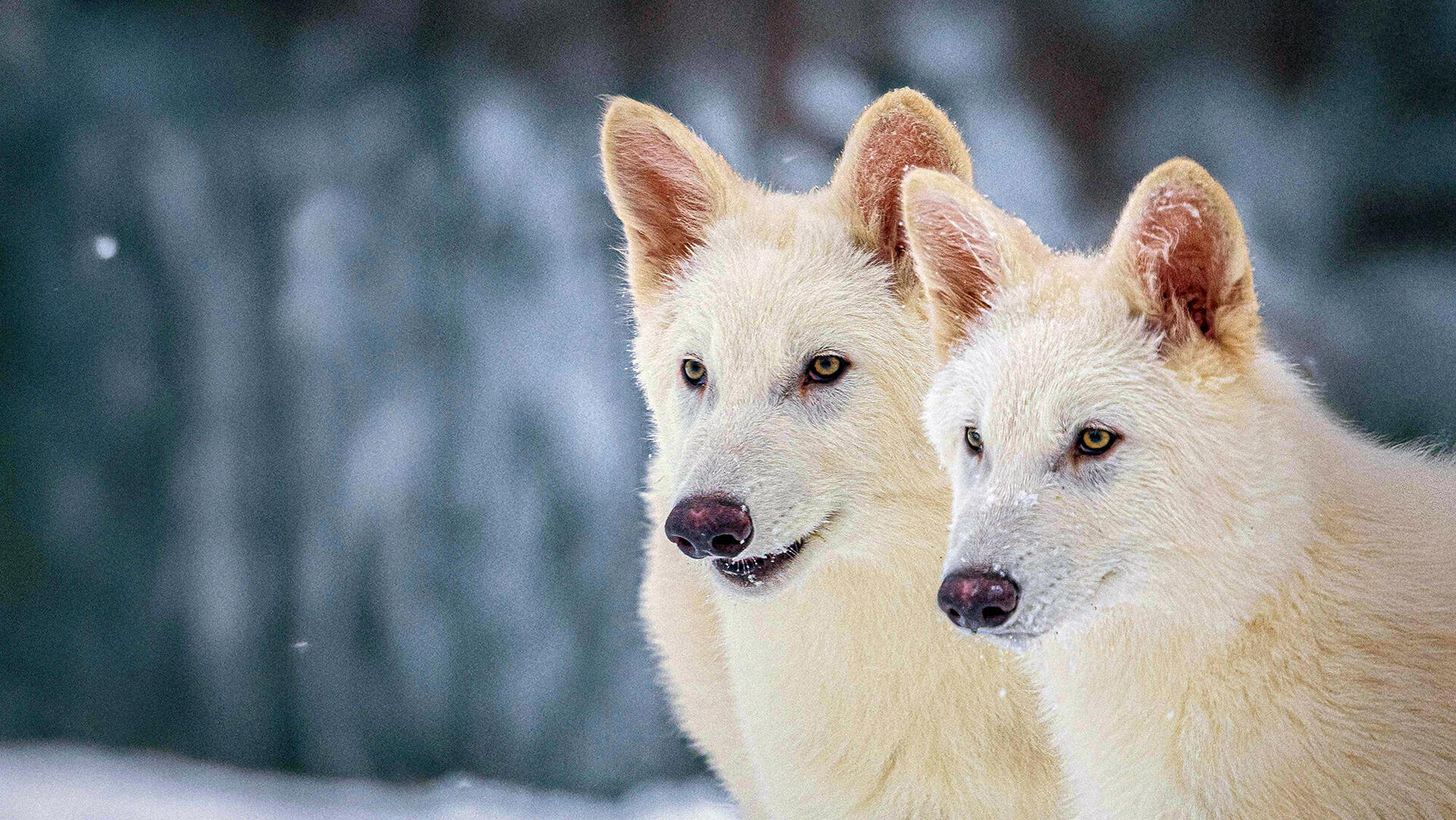
Biotech venture Colossal Biosciences stunned the world in April with the announcement that it had genetically engineered the dire wolf, a species that went extinct 12,500 years ago. But the excitement over the birth of three white puppies was quickly tempered by criticism: skeptics argued this was not a true species revival and warned that such investments could divert attention and resources from the urgent effort to protect existing wildlife. In an exclusive interview, founder Ben Lamm explains how the complex process was achieved, and why he believes it could ultimately benefit the planet.
How the dire wolf became a $10 billion biotech fantasy
17.04.25
|
Shani Ashkenazi
Scientists fear de-extinction buzz could erode real-world conservation efforts and public trust in science.