










Indian Embassy cancels $42 million Tel Aviv office deal at last minute
High price cited as key factor in collapse of Reichman family transaction.
The documents were ready to be signed, but at the last minute the Embassy of India in Israel canceled its deal with the Reichman family to purchase an office building in Ramat HaHayal, Calcalist has learned.
The transaction began taking shape about a year ago, when the embassy started searching for a new location to replace its current premises at 140 Hayarkon Street in Tel Aviv. The deal was valued at approximately NIS 125 million ($42M). In recent months, however, the embassy withdrew from the agreement, with market estimates pointing to the high price as a key factor behind the decision.
1 View gallery
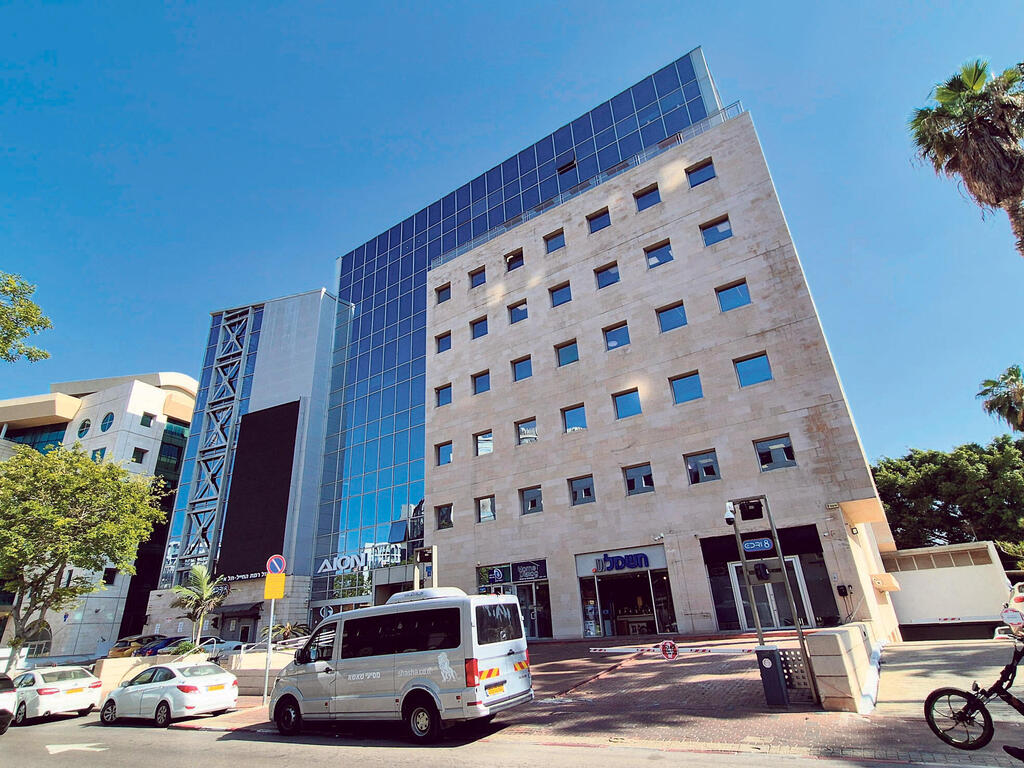
The Ramat HaHayal building the Indian Embassy was close to acquiring.
(Photo: Orel Cohen)
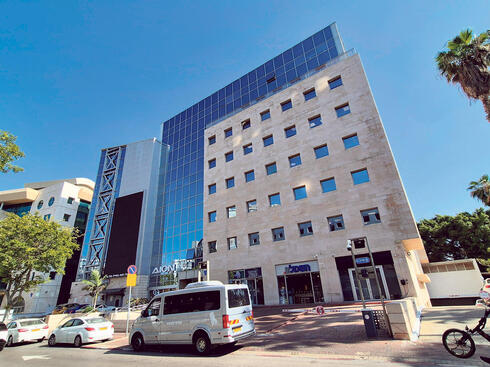
The property in question is an older office building located at 2 HaBarzel Street in Ramat HaHayal. It spans 4,172 square meters across seven floors and includes an underground parking facility with space for 100 vehicles. The building is owned by the Reichman family, led by Prof. Uriel Reichman, founder and president of Reichman University, although the sale is being handled by his daughter, Ronit Reichman-Lahat.
The deal had raised questions in the real estate market even before its collapse, primarily due to the pricing. At roughly NIS 30,000 ($10,000) per square meter, the valuation was considered unusually high for Ramat HaHayal, even compared with newer office buildings. Typical prices in the area are closer to NIS 20,000 ($6,670) per square meter for new buildings and around NIS 18,000 ($6,000) for older properties, suggesting a more realistic valuation of about NIS 75 million ($25M) for the asset.
The Reichman family is now in negotiations with two developers at significantly lower price levels, around NIS 80 million ($27M). One of the potential buyers is considering converting the building into medical offices.
Although located within Tel Aviv, Ramat HaHayal has struggled to match the demand seen in the city’s more central office districts. The area has faced relatively low occupancy rates and declining rents, reflecting its distance from the city center and limited access to efficient public transportation.
In recent years, demand in the area has been driven largely by healthcare-related uses, particularly following the establishment of Assuta Hospital nearby. However, this demand tends to consist of smaller-scale tenants, resulting in slower absorption of office space.
According to a Natam Newmark report for the second half of 2025, older office buildings in Ramat HaHayal remain a “challenging segment,” with average rents declining from NIS 64 ($22) to NIS 59 ($20) per square meter and occupancy levels at around 89%.



