










From Iron Dome to Arrow missiles, unpaid bills accumulate in Israel’s defense sector
Rafael, IAI, and Elbit shoulder $4.3 billion in delayed payments as Israel ramps up wartime procurement.
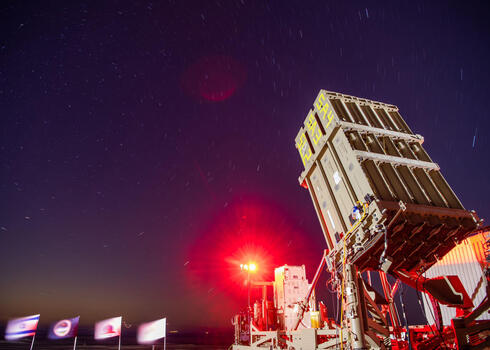
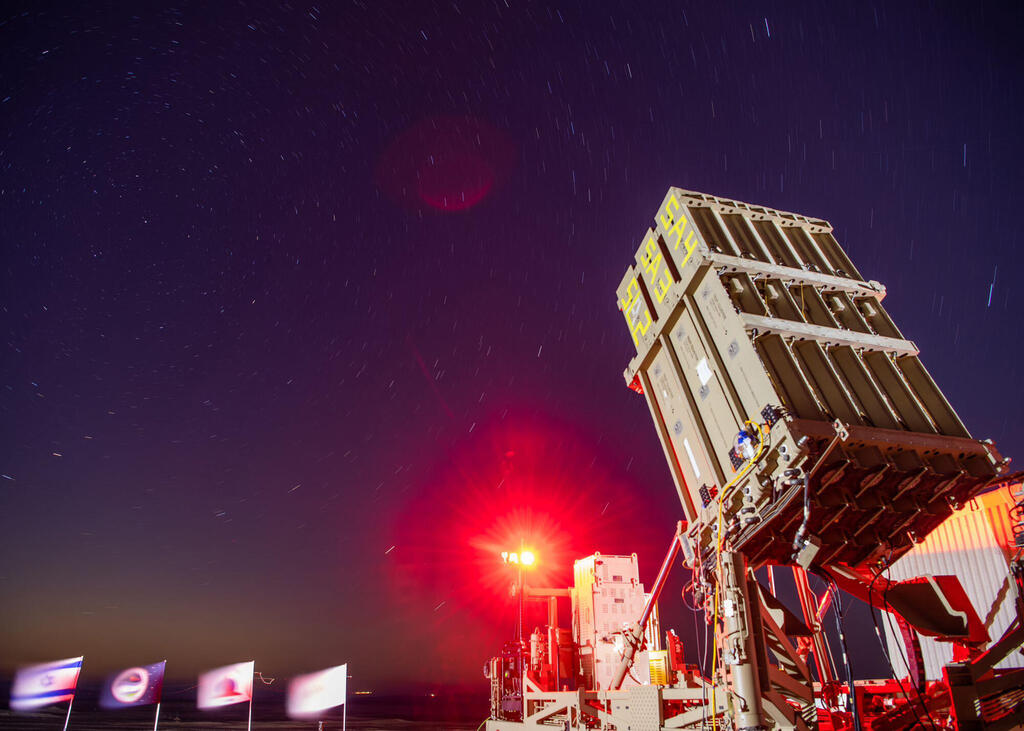
The Ministry of Defense owes the three major defense companies, Rafael, Israel Aerospace Industries, and Elbit Systems, an unprecedented sum of about NIS 13 billion ($4.3 billion), Calcalist has learned. The largest debt is to Rafael, the manufacturer of the Iron Dome, David’s Sling, and Or Eitan air defense systems, totaling about NIS 6 billion ($2.0 billion). It owes approximately NIS 4 billion ($1.3 billion) to Israel Aerospace Industries, which manufactures the Arrow missile systems, and about NIS 3 billion ($1.0 billion) to Elbit Systems, controlled by Mikey Federman.
Last November, the Defense Ministry’s debts to companies supplying weapons and military equipment to the IDF stood at approximately NIS 10 billion ($3.3 billion). The increase in recent months is linked to accelerated procurement aimed at replenishing stocks depleted during the prolonged war and improving the army’s readiness for multiple operational fronts. Delayed payments to major defense contractors, while accumulating billions in liabilities, have become a recurring practice in recent years, amid extensive procurement and ongoing budgetary pressure.
The defense budget for 2026 stands at NIS 144 billion ($48.0 billion), after initially being set at NIS 112 billion ($37.3 billion) at the beginning of the year.
Against the backdrop of a second confrontation with Iran, which led to renewed fighting on the Hezbollah front in Lebanon, the defense budget was increased in March by approximately NIS 32 billion ($10.7 billion). The addition, approved by Prime Minister Benjamin Netanyahu despite opposition from the Ministry of Finance, brought the budget in line with what the Defense Ministry had previously requested during state budget discussions late last year. However, due to the lack of resolution on key fronts that have occupied the IDF since the outbreak of the October 7 war, even this increase is proving insufficient.
The IDF is currently deployed in security zones in southern Lebanon, in areas captured on the Syrian side of Mount Hermon, and along the Yellow Line inside the Gaza Strip. At the same time, the possibility of renewed conflict with Iran remains.
Executives in the defense industries have expressed dissatisfaction with the continued practice of delayed payments. The Defense Ministry, however, maintains that the debts will be settled in accordance with the flow of funds from the Ministry of Finance. In effect, while the Ministry continues placing critical orders for weapons and systems, the defense companies are providing the state with de facto credit.
Despite this, the financial condition of the defense companies is stronger than ever, fueled by global demand amid an accelerating arms race since the outbreak of the Russia-Ukraine war in 2022. By the end of last year, the combined order backlog of Rafael, Israel Aerospace Industries, and Elbit Systems stood at NIS 255 billion ($85.0 billion).
Israel Aerospace Industries holds the largest backlog at NIS 93 billion ($31.0 billion), followed by Elbit Systems with NIS 88 billion ($29.3 billion), and Rafael with NIS 74 billion ($24.7 billion). Most of these orders are expected to be fulfilled within three to four years.
The strong financial position of these companies allows the defense establishment to continue placing new orders despite unclear payment timelines. According to the Defense Ministry, these orders are “critical” for ongoing operations and are intended to allow production to begin immediately, with payments to be arranged once additional budgets are secured.
Within the defense establishment, criticism has been directed at the Ministry of Finance, with claims that it “from the outset budgets the defense system with a deficit” as a way to control spending. Accusations of “budgetary strangulation” have intensified in recent weeks, particularly following delays in procuring Israel Aerospace Industries’ Arrow 3 interceptors, designed to neutralize ballistic missiles from Iran outside the atmosphere.
The expansion of interceptor missile production earlier this year was made possible only after an exceptional commitment by Defense Ministry Director General Amir Baram, guaranteeing that the state would repay the company for the missiles ordered. Even before that, production had been sustained through advance payments from the German government as part of two major Arrow 3 procurement deals totaling approximately $6.5 billion.
The Defense Ministry said: “The ministry is working closely with the industries to bridge the gaps, taking into account the unprecedented increase in orders and operational needs.”
The Ministry of Finance responded: “The defense budget is managed directly by the Defense Ministry through its Director General, who determines internal priorities. Throughout the war, the Treasury enabled and financed actions that led to significant military achievements. Attempts to shift responsibility to the Ministry of Finance are contrary to the facts and raise questions about the management of the defense economy.”



