










Qatar built its wealth on LNG. Now its biggest strength has become a vulnerability
Disruptions in the Strait of Hormuz and damage to Ras Laffan are hitting exports, government revenues and plans for the next decade.
For two decades, liquefied natural gas has been the foundation of Qatar's economy. LNG filled state coffers, helped build the country's sovereign wealth fund and gave Doha international influence far beyond what its size would suggest. This year, however, that same dependence has become a major vulnerability.
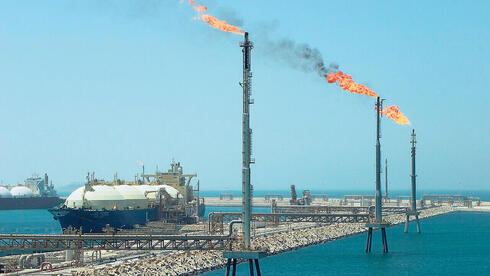
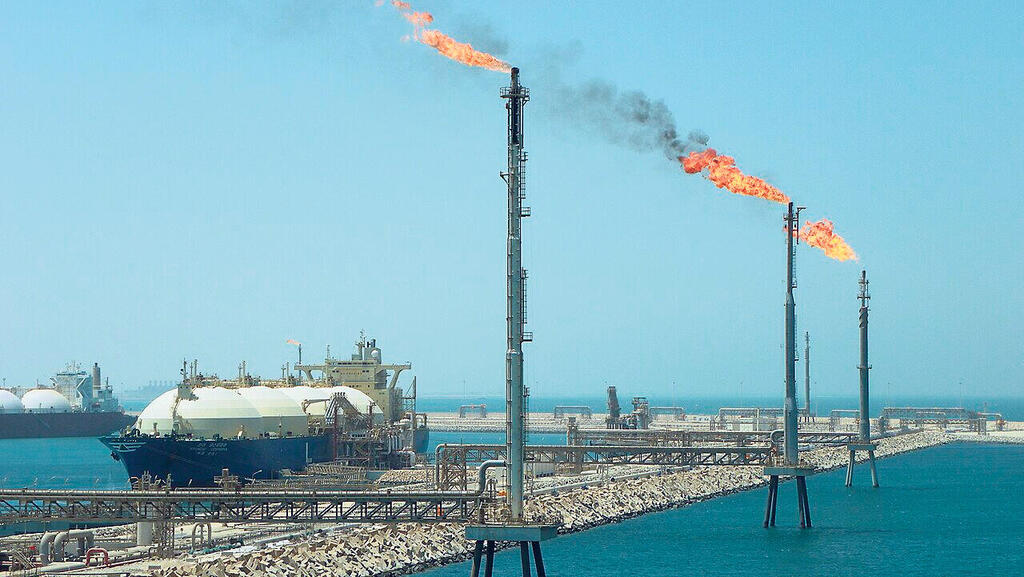
Disruptions in the Strait of Hormuz and damage to the Ras Laffan facilities have highlighted a strategic problem that even Qatar's vast financial resources cannot easily overcome. The country remains heavily dependent on a critical export route and on infrastructure concentrated in a relatively small geographic area.
The impact is already visible in Qatar's budget. In the second quarter, state revenues totaled approximately $7 billion, down from $16.4 billion in the same quarter of 2025. Expenditures reached $12.9 billion, producing a quarterly deficit of about $5.8 billion, following a deficit of roughly $2.8 billion in the first quarter.
That means Qatar accumulated a deficit of approximately $8.6 billion in the first six months of the year, compared with an original budget projection of about $6 billion for the entire year.
GDP figures show how heavily the impact is concentrated in the energy sector. Qatar's economy contracted by 7% year over year in the first quarter, driven by a 25.8% decline in output from the hydrocarbon sector. By contrast, the non-oil-and-gas economy grew by 3.5%.
Qatar is not experiencing a broad-based economic contraction. Instead, the country's main source of revenue and export earnings is facing a severe disruption.
The effect on exports has been even more dramatic. Before the war, Qatar supplied about one-fifth of global LNG demand. During the first six months of the conflict, however, shipments fell by approximately 96%, resulting in an estimated revenue loss of around $24 billion. Activity has remained sluggish this month as well.
The more significant risk may be the effect on Qatar's longer-term growth plans.
Qatar had planned to increase its LNG production capacity from 77 million tons per year to 142 million tons by the end of 2030. The expansion of the North Field was intended to become the country's next major source of revenue.
The project involves foreign companies and requires tens of billions of dollars in investment. Qatar has also begun signing long-term gas supply agreements with customers around the world.
That timeline is now facing uncertainty.
Saad al-Kaabi, Qatar's energy minister and CEO of QatarEnergy, said the first production train remains scheduled to begin operating in early 2027. However, equipment needed for subsequent phases is facing delivery delays because of the crisis in the Strait of Hormuz.
Two LNG facilities at Ras Laffan, representing approximately 17% of Qatar's production capacity, are expected to require about three years of repairs.
It is nevertheless too early to describe the situation as a threat to Qatar's financial stability.
S&P has maintained Qatar's AA rating with a stable outlook and estimated the government's net financial assets at approximately $300 billion. The country's central bank also had around $72 billion in foreign currency reserves and liquidity at the end of August.
Qatar therefore has a substantial financial cushion that could allow it to withstand several difficult years.
But the disruption is also prompting changes in how Doha plans to use its wealth.
This month, Qatar established Doha Investment, an investment arm tasked with managing the domestic portfolio of the Qatar Investment Authority, the country's sovereign wealth fund. The new entity will focus on areas including technology, industry, supply chains and healthcare.
Qatar is unlikely to stop acquiring assets in financial centers such as London, New York and Paris. But a larger share of the capital accumulated abroad is now expected to be directed toward building new sources of growth inside Qatar itself.
The crisis is also giving Qatar's foreign policy a more direct economic dimension.
Doha is promoting the idea of a regional security framework that would include Iran and reduce the risk of conflicts that could disrupt major trade routes. More than 90% of Qatar's exports pass through the Strait of Hormuz, making the security of the waterway directly relevant to the country's economy and government finances.
Qatar is not facing economic collapse. Its financial reserves remain substantial, and its non-energy economy continues to grow.
But the current crisis has exposed a vulnerability that financial wealth cannot quickly eliminate. Qatar can accumulate hundreds of billions of dollars in overseas assets and use its wealth to build global diplomatic influence, but its most important source of income still depends on gas reaching international markets through a strategically vulnerable waterway.



