










Global supply chains under pressure as Iran blocks Strait of Hormuz
Raw materials, industrial components, and imports face higher costs.
The U.S. and Israeli campaign against Iran, which has already drawn the Gulf states, and even one European country, Cyprus, into a major geopolitical crisis, is fueling fears of inflationary shocks and potential damage to GDP.
Since the beginning of 2026, Brent crude has surged about 43%. In just the three days of the current conflict, prices jumped roughly 22%, surpassing $85 per barrel. Markets are now questioning whether we are facing a “Ukraine 2” scenario, energy prices soaring due to a regional war.
Comparisons to 2022, when Brent reached $120 per barrel, require caution. At present, the baseline scenario is not a systemic collapse, but a supply shock whose impact depends heavily on the duration and intensity of the disruption, as well as on its transmission to other sectors. What is already clear is that this is not a technical event. Even if some effects are temporary, the supply shock has the potential to affect the short- to medium-term economic outlook.
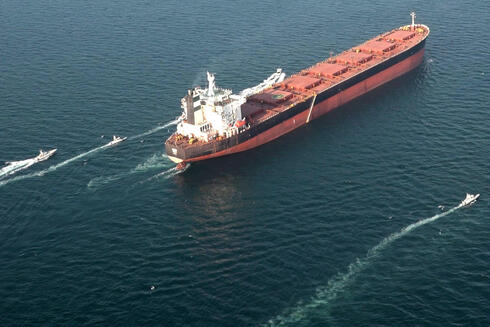
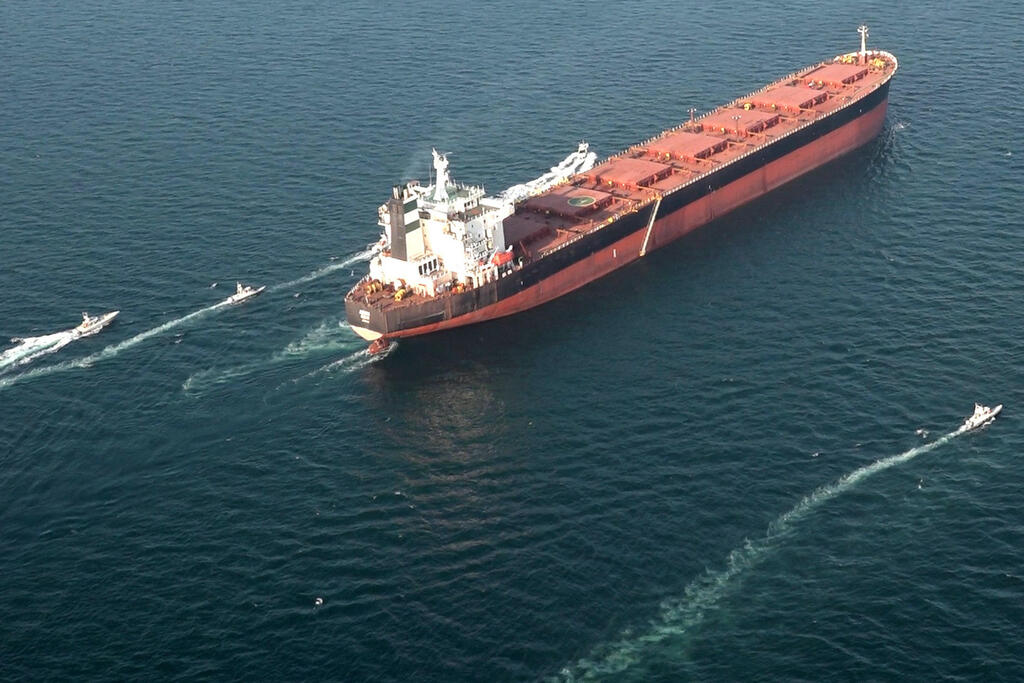
The disruption is driven primarily by Iran’s control of the Strait of Hormuz, through which roughly one-fifth of global oil and gas passes daily. Tehran has threatened to target any vessel crossing the strait. In other words, the problem is not the absence of oil, but its ability to leave the Gulf region, disrupting supply chains worldwide.
The key question is not merely how much fuel prices will rise this month, but whether these increases will feed into core consumer and producer price indices, and from there into broader inflation expectations.
The transmission channel is clear: rising oil and gas prices quickly push up the cost of gasoline, diesel, electricity, and household gas, immediately affecting the consumer price index. These are essential inputs for industry, restaurants, hotels, and retail. Marine insurance premiums have also surged, up to 50%, according to an S&P report, greatly increasing transportation costs. Changes in shipping routes, canceled voyages, and extended delivery times are creating logistical bottlenecks. This is where the supply chain effect begins: raw materials, industrial components, and imported food are becoming more expensive, not just energy.
The next stage depends on the duration of the crisis. If the shock is brief, companies may absorb the costs through margin erosion. If it persists for weeks or months, prices will adjust upward, potentially affecting inflation expectations. When households and businesses believe prices will not only rise but remain elevated, behavior changes. This can trigger the heart of the inflationary spiral: wages. If workers demand higher pay to offset living costs, and these increases are not backed by productivity, a wage-price spiral can develop. Today, unlike the 1970s, wage indexation is weaker and less automatic, but the risk persists.
Returning to the “Ukraine 2” question, it should be noted that in 2022 Europe had just emerged from the pandemic, inflation was already high, and the continent was dependent on Russian gas, a rare combination of systemic supply shocks. Today, conditions are different: European inflation stands at 1.9% and has been declining since September 2025; global inventories are higher, the liquefied natural gas market is more flexible, and central banks maintain positive real interest rates. They are no longer behind the curve as in 2022.
The real risk today lies in the transition from a price shock to a flow shock. A prolonged closure of the Strait of Hormuz or damage to regional export infrastructure would create a quantitative supply shock, capable of penetrating more deeply into the core of inflation.
European policymakers are already responding to this tension. Philip Lane, chief economist at the European Central Bank, warned that a prolonged energy shock could have secondary effects, undermining progress toward the inflation target. Central banks can ignore one-off spikes, but sustained disruptions threaten to destabilize inflation expectations, a lesson from 2022. Even theoretically, renewed interest rate hikes in Europe amid such a supply shock are now a realistic, albeit undesirable, scenario. Tightening monetary policy during supply chain disruptions raises the risk of an economic slowdown.
Indeed, Europe is already experiencing a slowdown: GDP growth in Q4 2025 was 1.5% year-on-year, the second consecutive decline in growth rates. While this is not a recession, the economy is clearly decelerating. In the U.S., the dilemma is similar. The Federal Reserve must differentiate between a one-off shock and a structural shift in inflation, at a time when inflation shows signs of easing (2.4% in January) but remains above the 2% target.
Energy shocks also affect economic growth through three main channels. First, rising fuel and electricity costs act as a de facto regressive tax, disproportionately affecting low-income households. Second, firms with narrow profit margins face eroded profitability, leading some to reduce investment or delay hiring. Higher transportation and insurance costs further slow activity, especially in import-heavy industries. Third, the financial arena is impacted: geopolitical risk premiums raise yields, increase credit costs, induce capital market volatility, and weaken capital flows to emerging markets. Uncertainty alone also dampens economic activity.
Israel is relatively well-positioned. The decision by the Governor of the Bank of Israel to delay further interest rate cuts, despite public expectations and pressure from the Finance Minister, appears prudent in retrospect. When geopolitical uncertainty rises and risk premiums expand, preserving monetary flexibility is more important than immediate relief. Israel remains exposed to rising imported fuel costs and maritime transport prices; in such an environment, caution is essential.



