










Molex acquires Israeli optical chip startup Teramount for $430 million
Founded in 2015 and backed by Grove Ventures and Koch Disruptive Technologies, Teramount will remain an independent engineering center under Molex.
The past week has been marked by consolidation in the optical communications sector. Following the sale of DustPhotonics, another Israeli company in the field is being acquired.
Teramount, which develops fiber-optic connectivity solutions for chips used in artificial intelligence infrastructure, data centers and advanced computing, is being acquired by Molex, an electronics company active in the data center sector. The deal is valued at approximately $430 million and was signed during the war with Iran.
Teramount employs around 40 people and will continue to operate as an independent design and engineering center from its offices in Jerusalem, supporting Molex’s global optical capabilities. The transaction is expected to close in the first half of 2026, subject to regulatory approvals.
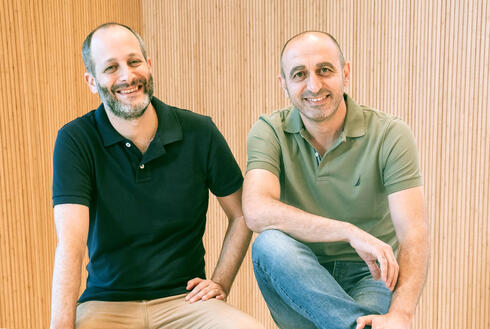
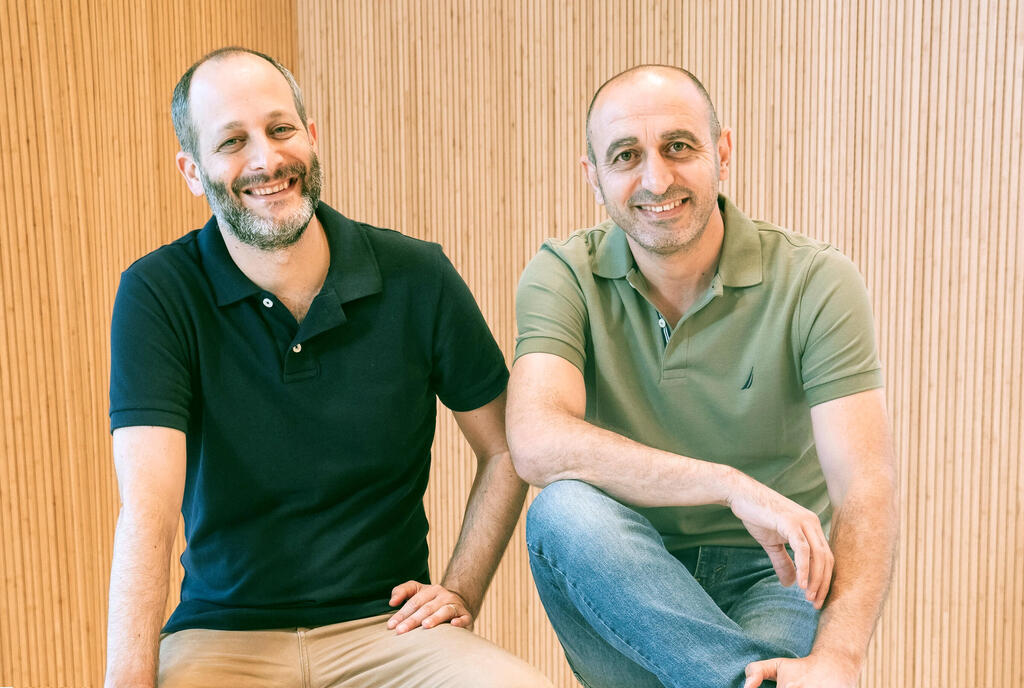
Teramount was founded in 2015 by Hesham Taha and Abraham Israel, both PhDs in applied physics and graduates of the Hebrew University. Since its inception, the company has raised $58 million. Grove Ventures is its largest investor and led an $8 million Seed round in 2021. In July 2025, Teramount raised $50 million in a Series A round led by Koch Disruptive Technologies, with participation from strategic investors including AMD, Hitachi, Samsung, Wistron and Grove.
The company develops advanced chip-to-chip optical connectivity solutions for AI applications, data centers, communication networks and sensors. Its technology enables direct integration between optical fibers and semiconductor chips through proprietary system-on-chip designs, allowing faster data transfer and improved energy efficiency.
Teramount’s flagship product, TeraVERSE, is designed for co-packaged optics (CPO) architectures, which are increasingly seen as critical for next-generation AI and high-performance computing systems. The system integrates optical connectivity into standard chip manufacturing processes, enabling scalable production alongside improved performance and reliability.
Demand for such technologies is rising as AI infrastructure expands and data centers face growing bottlenecks in moving large volumes of data efficiently. Optical connectivity is increasingly viewed as a replacement for traditional electrical interconnects, which struggle to keep pace with the speed and energy requirements of modern AI workloads.
The acquisition reflects growing confidence in Teramount’s technology and its potential role in enabling large-scale AI infrastructure. The company has established collaborations with major players in the global semiconductor ecosystem and has integrated its solutions into manufacturing processes.
“Early identification of infrastructure needs in the data center market was the basis of our investment in Teramount,” said Lior Handelsman, managing partner at Grove Ventures. “What drove the company’s value is the team’s ability to develop technology that has no substitute in the market.”



