










Israel seeks a new way to expose drones using cellphone networks
The Defense Ministry has opened a call to technology developers for systems that can detect and locate drones operating through cellular networks, including in hostile terrain.
Israel's Defense Ministry is turning to the technology industry for a new way to detect and locate drones: tracking those that operate through cellular networks.
The Directorate of Defense Research and Development (DDR&D) has issued a public Request for Information (RFI) and Request for Demonstration (RFD), inviting technology developers to propose solutions for the detection and localization of drones based on cellular networks. The ministry says the systems must provide an operational, mobile response suited to forces maneuvering through hostile terrain.
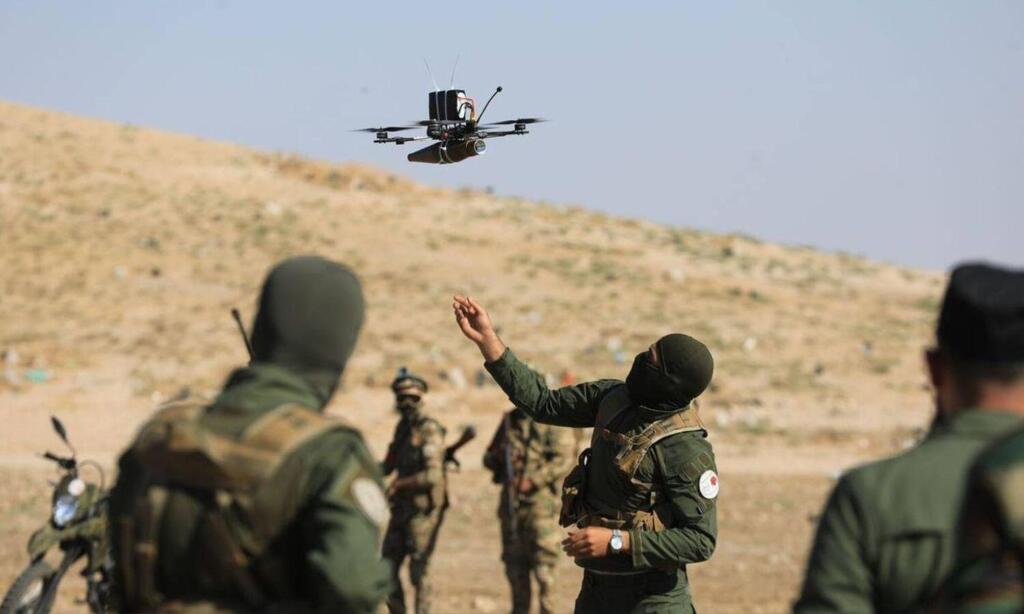
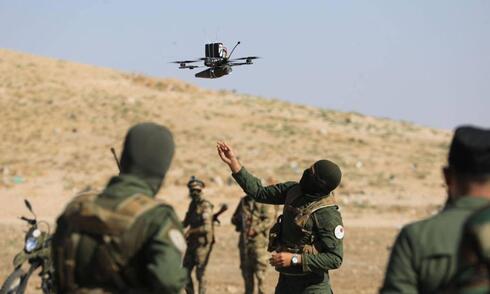
The initiative comes as drones are becoming increasingly difficult to detect using traditional approaches and as military planners grapple with the speed at which unmanned systems are adapting to new technologies.
The request is notable for another reason: Israel has been dealing with drone threats for years, but the Defense Ministry is only now publicly seeking solutions for identifying and locating drones that use cellular networks. That does not mean Israel has lacked counter-drone capabilities. The ministry has already tested and developed a range of systems for detecting and neutralizing drones. But the new RFI points to a specific gap that the defense establishment now wants the technology industry to address.
One reason the cellular-network approach has gained attention is the way drones are increasingly using commercial communications infrastructure.
Ukraine's Operation Spiderweb in June 2025 provided a dramatic example of how far this trend can go. Ukraine launched more than 100 small drones against Russian military airfields deep inside Russia, targeting strategic aircraft. The drones were concealed in trucks and released near their targets, allowing them to strike airfields hundreds or thousands of kilometers from Ukraine.
The operation also demonstrated the potential of commercially available communications technology in long-range drone operations. According to analysis by the Center for Strategic and International Studies, the drones used in Spiderweb operated through 4G/LTE networks, with LTE modems connected to onboard computers.
That creates a potential opportunity for defenders.
If a drone is communicating through a cellular network, the network may provide information that can help identify or locate it. Instead of relying solely on dedicated radar, optical sensors or electronic-warfare systems, military forces could potentially use information generated by the communications infrastructure itself.
That is the problem Israel is now asking the technology industry to solve.



